

MyCardCompareMyCardCompare
HomeCard comparison

Best no-annual-fee cards

Great cards that cost nothing to hold.

No Annual Fee Cards

Great cards that cost nothing to hold.

OUR TOP PICKS

Showing 16 cards

Annual fee

$0

Rewards rate

Up to 20%

Monthly fee

0

Funding

EURC · EURe · USDC · USDT

Bottom line

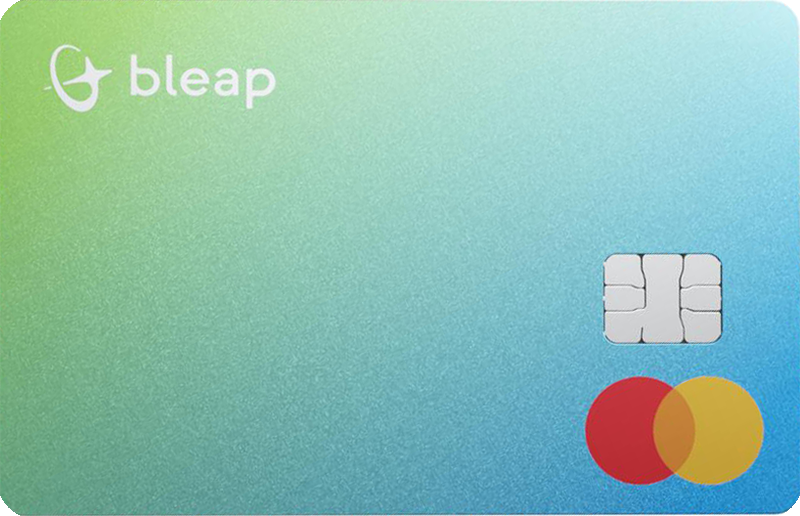
Bleap is one of Europe's strongest crypto debit cards for everyday spenders. It pays real cashback with no staking, charges 0% FX, and keeps you self-custodial. The catch: top rates are category-limited and it is EU-only.

Bleap is one of the few crypto cards that doesn't make you choose between rewards and control. You keep your own keys, pay nothing monthly, and still earn cashback. We would like to see wider coverage beyond the EU and broader top-rate categories, but for European spenders it is a genuinely strong pick.

Bleap is a Mastercard debit card available across 33 European countries. It is self-custodial, meaning you hold your own funds rather than handing them to the issuer, which is rare for a card on a major network. You can spend from a crypto or euro balance, and the card works with both Apple Pay and Google Pay, in physical and virtual form. Conversion happens automatically at checkout, so there is no need to preload or pre-convert. Identity verification (KYC) is required at sign-up. There is no monthly fee and no FX fee, with fee-free ATM withdrawals up to €400 a month.

Bleap pays cashback by spending category rather than by tier, and without any staking or paid subscription. The headline 20% applies to selected categories: AI subscriptions, gaming and streaming. Everyday spending earns less, with 2% at supermarkets and on ride apps, 1% at restaurants, and a 1% base rate elsewhere. Rewards are credited automatically on eligible spending. Because the top rate is category-limited, your real return depends on where you spend most, so a streaming and gaming heavy month earns far more than a groceries heavy one.

Annual fee

$0

Rewards rate

Up to 10%

Monthly fee

0

Funding

+ 6 currencies

Bottom line

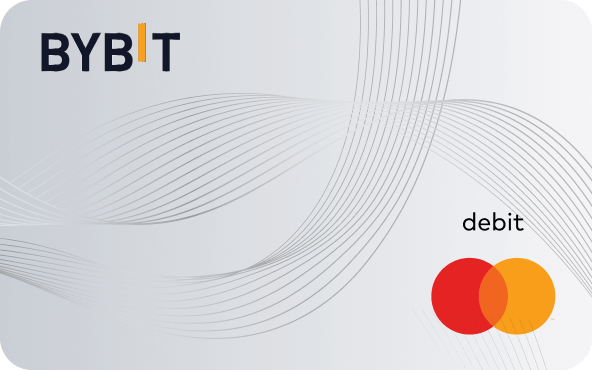
Bybit Card is a fee-light Mastercard debit card backed by a major exchange, with low FX and a high ATM limit. The headline 10% cashback needs heavy trading or spend, most users get a tightly-capped 2%, and funds stay custodial.

Bybit Card gets the fundamentals right: no monthly fee, a low 0.5% FX rate, and a generous ATM limit, all backed by a large exchange. The cashback marketing oversells it though, since the standard rate is 2% capped at about $5 a month. It suits existing Bybit users who value low fees over rewards.

Bybit Card is a Mastercard debit card issued by Moorwand and offered through the Bybit exchange, available in 32 European countries. It is custodial, so Bybit holds the funds backing the card, and it does not come with a bank account. You can order both a physical and a virtual card, both compatible with Apple Pay. The card spends your crypto balance, converting to euros automatically at checkout with no preloading, at a total cost of around 1.15%. It is denominated in EUR and GBP, supports eight cryptocurrencies, and requires identity verification (KYC). Daily spending is capped at 5,000 EUR and daily ATM withdrawals at 2,000 EUR.

Bybit cashback is effectively a trading perk, not a flat card reward. Everyone starts at 2%, capped at about $5 a month. Higher rates come from your Bybit VIP status, earned by trading, or from very high monthly card spend: roughly 4% at $3,500 a month, 6% at $9,500, 8% at $12,500, and the headline 10% only at around $25,000 a month. Cardholders also earn Bybit reward points on spending, redeemable for crypto bonuses, coupons and merchandise. For a typical user, the realistic return is the 2% standard rate with that low monthly cap.
Annual fee

$0

Rewards rate

Up to 3%

Monthly fee

None

Funding

USD

Bottom line

The Venmo Credit Card pays 3% on whichever category you spend most in each month, 2% on the next and 1% on everything else, with no annual fee and no foreign transaction fee. Cash back lands in your Venmo balance automatically and can be turned into crypto at no cost. The catch: it is available only in the United States, it requires a Venmo account, and buying crypto with the card itself counts as a cash advance.

Most tiered cashback cards make you pick a category or track a calendar. Venmo picks for you, every month, based on where you actually spent. Add no annual fee and no foreign transaction fee and it is a strong everyday card. The crypto link is real but small: free conversion of cash back, nothing more.

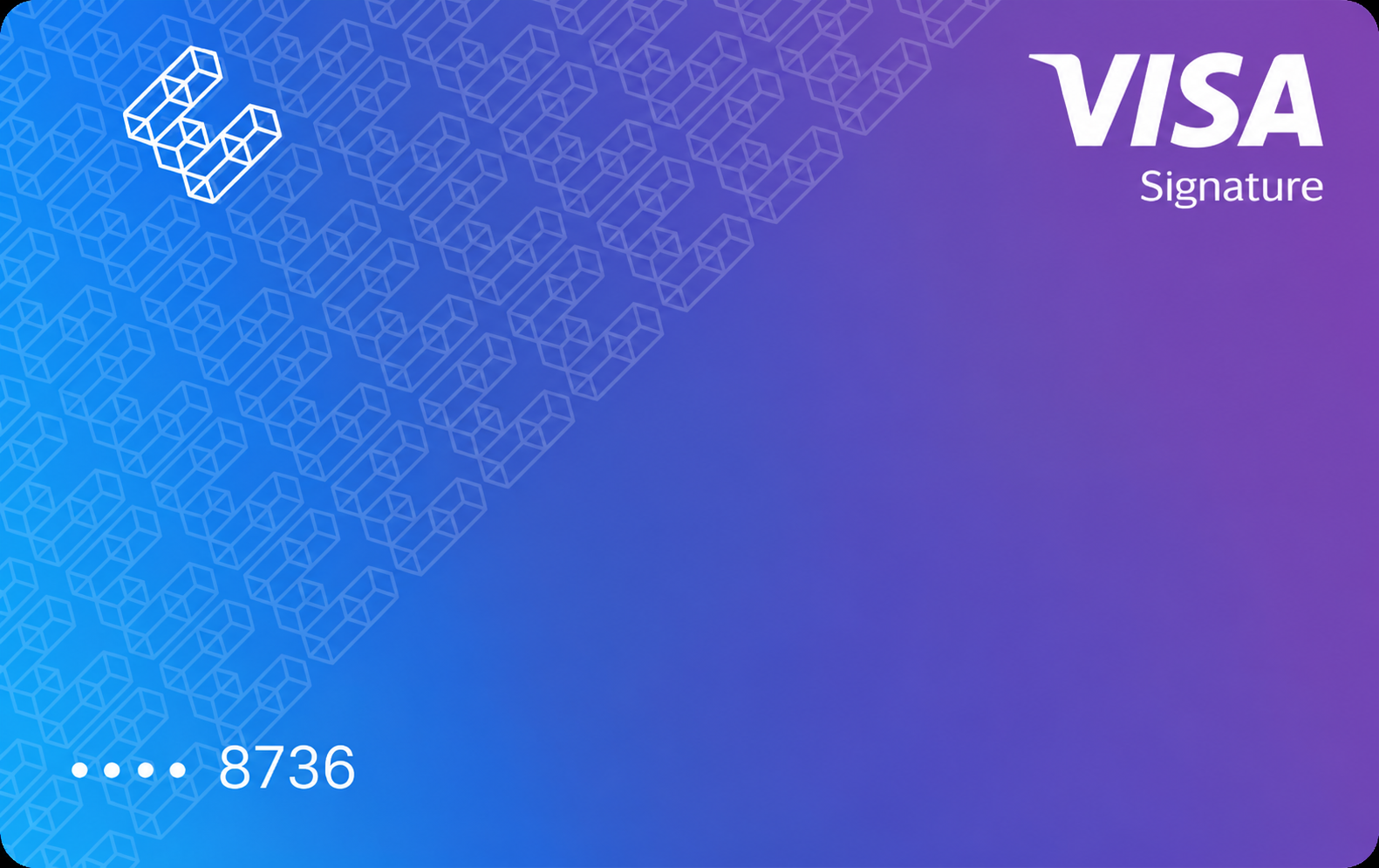
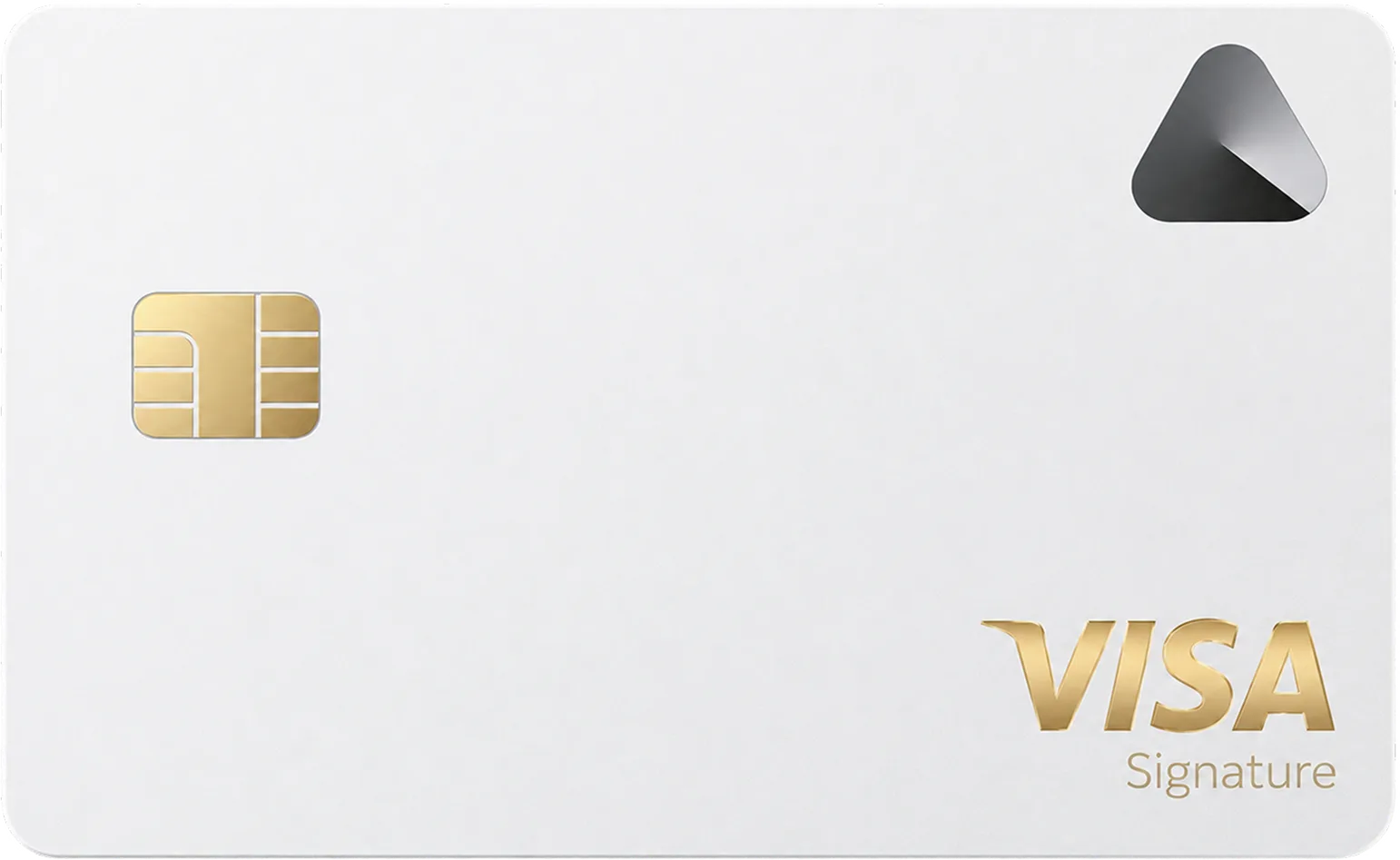
The Venmo Credit Card is issued by Synchrony Bank on the Visa network, as either a Visa or a Visa Signature depending on approval. Applicants must be 18 or over, live in the United States or its territories, and hold a Venmo account open at least 30 days. Purchase APR is 18.74%, 27.74% or 30.74% depending on creditworthiness, with cash advances at 30.74% and a penalty rate of 34.24%. Rates were current at 1 January 2026 and vary with the prime rate. Paper statements cost $1.99 a month.

Cash back is calculated each statement period across eight categories: Dining & Nightlife, Travel, Bills & Utilities, Health & Beauty, Grocery, Gas, Transportation and Entertainment. Your highest-spending category earns 3%, the second highest 2%, and everything else 1%, with no minimum spend and no cap on the 3% and 2% tiers. Rewards transfer automatically to your Venmo balance, where they can be spent, sent or withdrawn. Using them to auto-purchase crypto carries no transaction fee, though the exchange rate includes a spread.

Annual fee

$0

Rewards rate

None

Monthly fee

None

Funding

USDc · EURc

Bottom line

ARQ Business gives Latin American companies a multi-currency account with US and European details, corporate cards for the team, and bulk payouts to international contractors. Conversions run at institutional rates on the same infrastructure as the consumer app. The catch: ARQ publishes no pricing for the business account or its cards, so costs only become visible after signup.

This is treasury tooling rather than a rewards card. The value is paying overseas contractors at interbank rates and issuing controlled cards to a team without setting up foreign entities. There is no cashback and no published pricing, which makes it impossible to compare on cost before signing up.

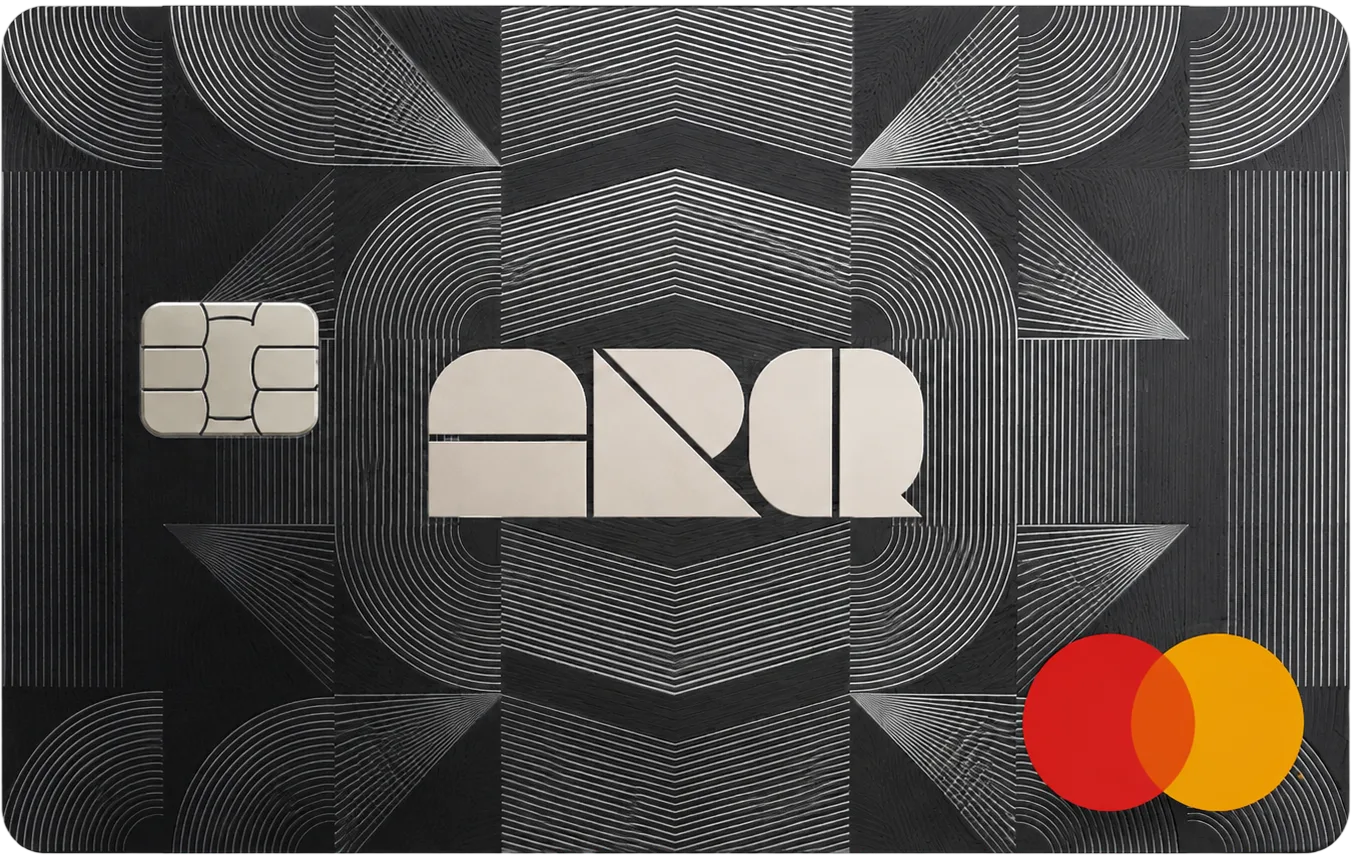
ARQ Business is the company-facing side of ARQ, built for teams in Mexico, Colombia and Brazil. It provides business account details in the United States and Europe to send and receive USD and EUR as a local company, with all incoming transfers automatically converted into digital dollars or euros. Corporate cards can be issued to staff with per-card spend limits and real-time controls. Bulk payments go to vendors and contractors worldwide. Signup runs through a separate business portal.

There is no cashback on ARQ Business corporate cards, and ARQ publishes no fee schedule for the business account, card issuance or transfers. The stated benefit is the conversion rate: institutional pricing on USDc and EURc against local currency, which one customer testimonial describes as cutting total company expenses by around 2%. Treat that as marketing rather than a published figure. Real costs are only visible once an account is open.

Annual fee

$0

Rewards rate

None

Monthly fee

None

Funding

USDc · EURc

Bottom line

ARQ, formerly DolarApp, is a digital dollar and euro account for Latin America with an international Mastercard attached. Conversions run at the interbank rate with no hidden margin, balances earn up to 4.5% a year, and the card comes physical or virtual. The catch: ARQ advertises cashback without publishing the rate, and the card's fee schedule is not public either.

ARQ's pitch is the exchange rate, not the card. For someone in Brazil or Argentina paid in dollars, converting at interbank instead of a bank's spread is worth more than any cashback percentage. That said, a card sold on unparalleled cashback with no published rate is hard to compare honestly.

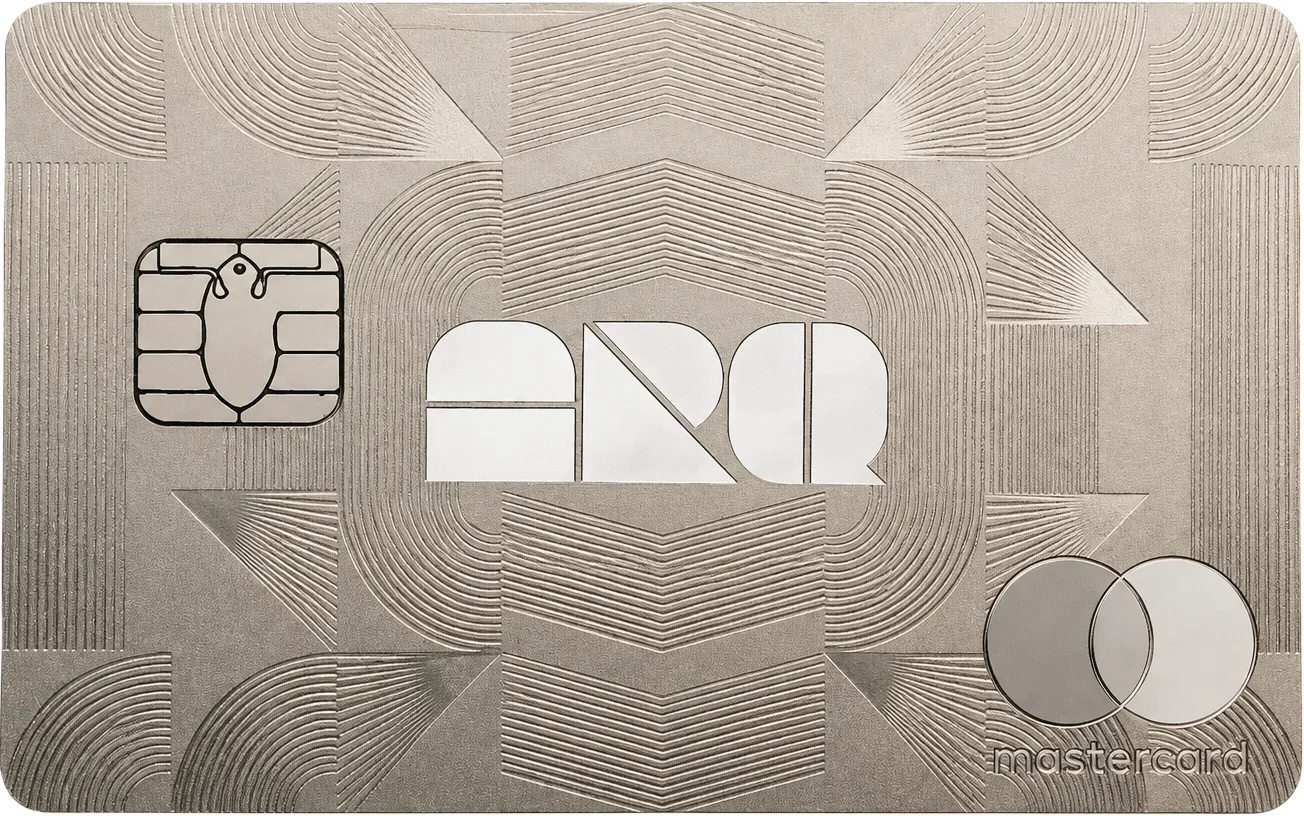
ARQ was DolarApp until its 2026 rebrand; accounts and balances carried over. It operates in Mexico, Brazil, Argentina and Colombia, holding balances in USDc and EURc, which are virtual assets rather than fiat currency. In Brazil, virtual asset services come from D.A. Prestadora de Servicos de Ativos Virtuais, local payments from Atlas Brasil Instituicao de Pagamento, and card services from Pier 5 S.A. de C.V. You top up by Pix, CLABE, CVU or PSE depending on country, and can receive US payments by ACH and wire.

ARQ advertises cashback on card purchases but publishes no rate on its website, app store listing or product pages, so this entry carries none. Separately, ARQ offers earnings accounts paying up to 4.5% a year on balances, alongside stocks and ETFs. Conversions between local currency, digital dollars and digital euros use the interbank rate with no stated margin. A Prestige credit card tier exists with additional benefits, also unpriced publicly.

Annual fee

$0

Rewards rate

None

Monthly fee

None

Funding

USD · EUR · COP

Bottom line

Littio Card is a Colombian Mastercard tied to a multi-currency account you can switch between US dollars, euros and Colombian pesos. Purchases in those three settle one to one with no markup, the virtual card is free and there is no monthly management fee. The catch: no cashback, $3 for the physical card, and the 1:1 promise covers only those three currencies.

Littio is aimed squarely at Colombians earning or holding dollars, and it does that one job cleanly: three currencies on one card, no markup between them, nothing to pay monthly. There is no cashback and no yield on the card itself, so the appeal is the exchange rate rather than the rewards.

Littio Card is a Mastercard operated by Selenio S.A.S., which states plainly that it is not a financial entity and that the digital assets behind the service are not legal tender in Colombia. The card holds US dollar, euro and Colombian peso balances, and you switch the active currency in the app at no cost. If a purchase exceeds the selected balance, another account covers the difference automatically. The virtual card is free and instant; the physical card costs $3. Account opening takes minutes with an ID document.

There is no cashback. Littio's value sits in the exchange rate: purchases in US dollars, euros or Colombian pesos are deducted one to one from the matching balance, so a $10 purchase costs exactly $10, with no conversion commission between the three currencies. Cardholders also receive promotional discounts through a Mastercard partnership, which vary and are not a fixed rate. Littio does not publish how currencies outside those three are converted.

Annual fee

$0

Rewards rate

None

Monthly fee

None

Funding

USDT · USDC

Bottom line

Bitget Wallet Card turns a self-custodial wallet into a Mastercard you can spend at 150 million merchants worldwide. Its monthly zero-fee quota refunds the FX, top-up and conversion charges on your first $400 of spending each month, which is where most crypto cards quietly make their money. The catch: the card is denominated in US dollars, so every euro or pound purchase above the quota carries a 1.7% conversion fee, and there is no ongoing cashback.

Most crypto cards advertise cashback and recover it through the FX spread. Bitget inverts that: no cashback at all, but a monthly quota that refunds the fees themselves. For anyone spending under $400 a month it is one of the cheapest ways to spend stablecoins. Above that, cards paying real cashback pull ahead.

Bitget Wallet Card is issued through the Bitget Wallet app, which is self-custodial and separate from the Bitget exchange; no exchange account is required. In Europe and Latin America the card is a Mastercard issued via Immersve and denominated in US dollars. You top up with USDT or USDC from your wallet and spend that balance. Activation costs 0.1 USD within 72 hours of KYC approval, or 10 USD after. The virtual card works with Apple Pay, Google Pay, WeChat Pay and Alipay. Limits are 12,000 USD daily and 150,000 USD annually.

There is no ongoing cashback. Instead, the first $400 of card spending each calendar month carries a zero-fee benefit: Bitget refunds the FX, top-up and conversion fees on those transactions as cashback to your card balance, reset on the first of each month. Physical cardholders and certain promotions raise the quota. Above it, spending in US dollars stays free while non-USD purchases carry a 1.7% conversion fee. Occasional launch promotions have paid genuine cashback in specific countries, but these are time-limited rather than a standing benefit.

Annual fee

$0

Rewards rate

None

Monthly fee

None

Funding

USD

Bottom line

Takenos is a dollarised wallet for Latin Americans paid from abroad, and TakeCard is its Visa card, issued in the United States. Your account balance is the card balance, US dollar purchases settle one to one, and other currencies use Visa's official rate with no markup. The catch: a 1% commission on every purchase, $5 for the virtual card, and physical cards only in Bolivia and Ecuador.

Most cards here are built for crypto holders. Takenos is built for freelancers in Argentina, Bolivia and Ecuador who are paid in dollars and want to spend them without the local exchange system taking a cut. No cashback, but no FX markup either. The 1% per purchase is the real price.

TakeCard is issued in the United States on the Visa network. Takenos is operated by Global Flow S.A.U., a virtual asset service provider registered with Argentina's Comision Nacional de Valores. Your Takenos balance is the card balance, so there is no separate top-up. The virtual card costs $5 and works with Apple Pay and Google Pay; the physical card is $20 plus $20 shipping in Bolivia and $12 in Ecuador. Although prepaid, merchants often process it as a credit card.

There is no cashback. Takenos competes on exchange rate rather than rewards: payments in US dollars settle one to one with no currency adjustment, and other currencies convert at Visa's official rate on the day of the transaction with no markup added. The cost is a flat 1% commission on every purchase, charged regardless of currency, plus roughly $5 for each ATM withdrawal. Takenos advertises yield on account balances but publishes no rate.

Annual fee

$0

Rewards rate

None

Monthly fee

None

Funding

USDC · USDT · AVAX · WAVAX

Bottom line

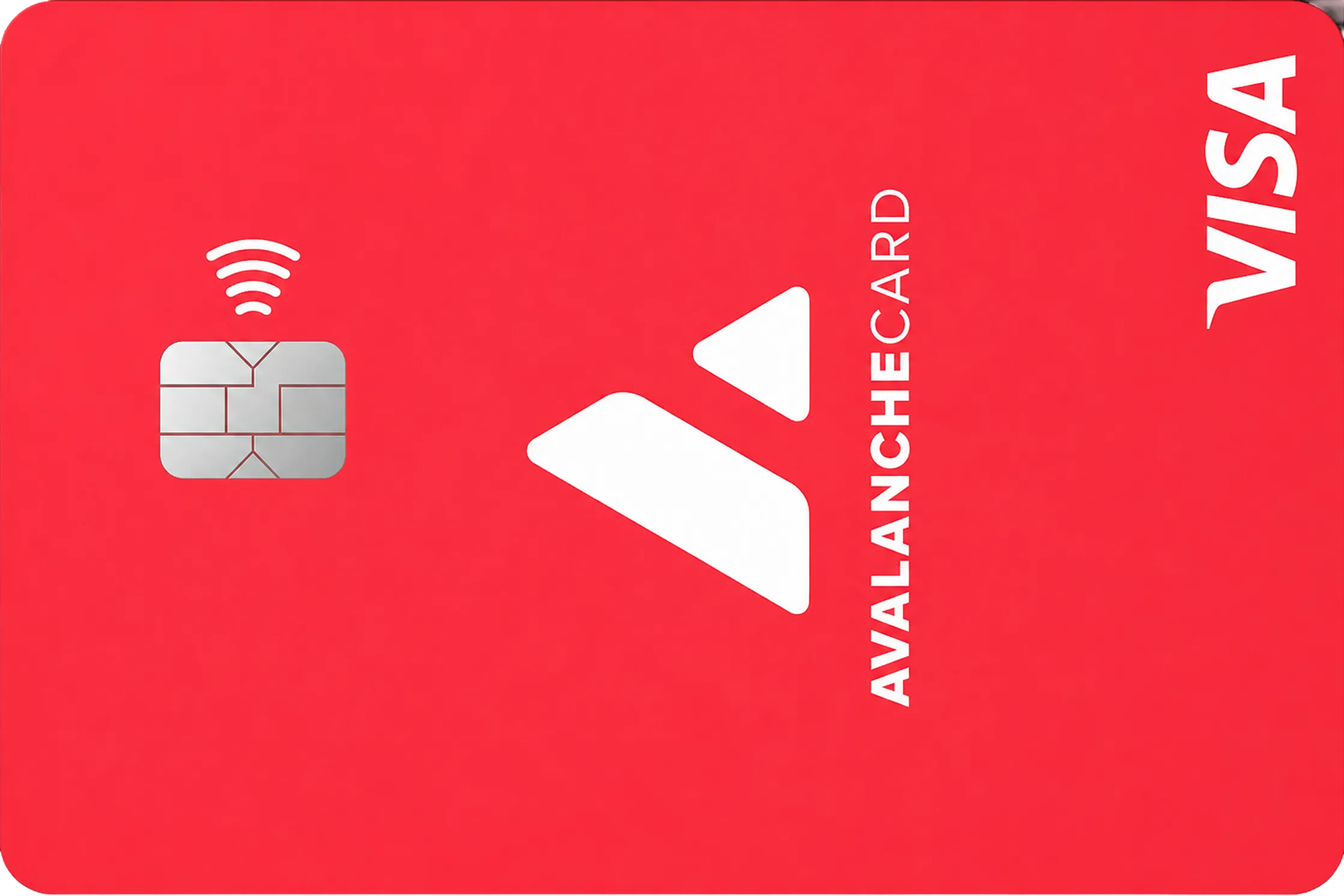
Avalanche Card is a crypto-backed Visa from Rain Liquidity that spends against USDC, USDT, AVAX and WAVAX you still own yourself. Virtual cards, the physical card and shipping are all free, there is no monthly fee and no credit check. The catch: a 1% FX fee, no cashback at all, and availability limited to parts of the US, Latin America and the Caribbean.

This is a plain, cheap way to spend Avalanche-ecosystem assets without handing them to anyone. Free cards, free shipping, no monthly fee and collateral you still custody. What it does not do is reward you: there is no cashback, so it competes on cost and custody rather than on what you earn back.

Avalanche Card is offered by Rain Liquidity, a financial technology company rather than a bank, and issued by licensed partners in each jurisdiction. Rain is not a custodian: the assets securing your account remain owned and custodied by you. Identity verification requires a government ID plus an SSN or national ID number and usually completes in seconds. You can hold up to three virtual cards and one physical card, with one of each active at a time. Physical cards arrive in 14 to 30 business days.

There is no cashback or rewards programme. Avalanche Card competes on cost instead: the monthly account fee, virtual card issuance, physical card and shipping are all zero, and Avalanche Card charges no gas or conversion fees of its own, though network gas may still be payable directly to the chain. The only running cost is a 1% FX fee on foreign currency spending. No staking or spending tier changes these figures.

Annual fee

$0

Rewards rate

None

Monthly fee

None

Funding

+ 9 currencies

Bottom line

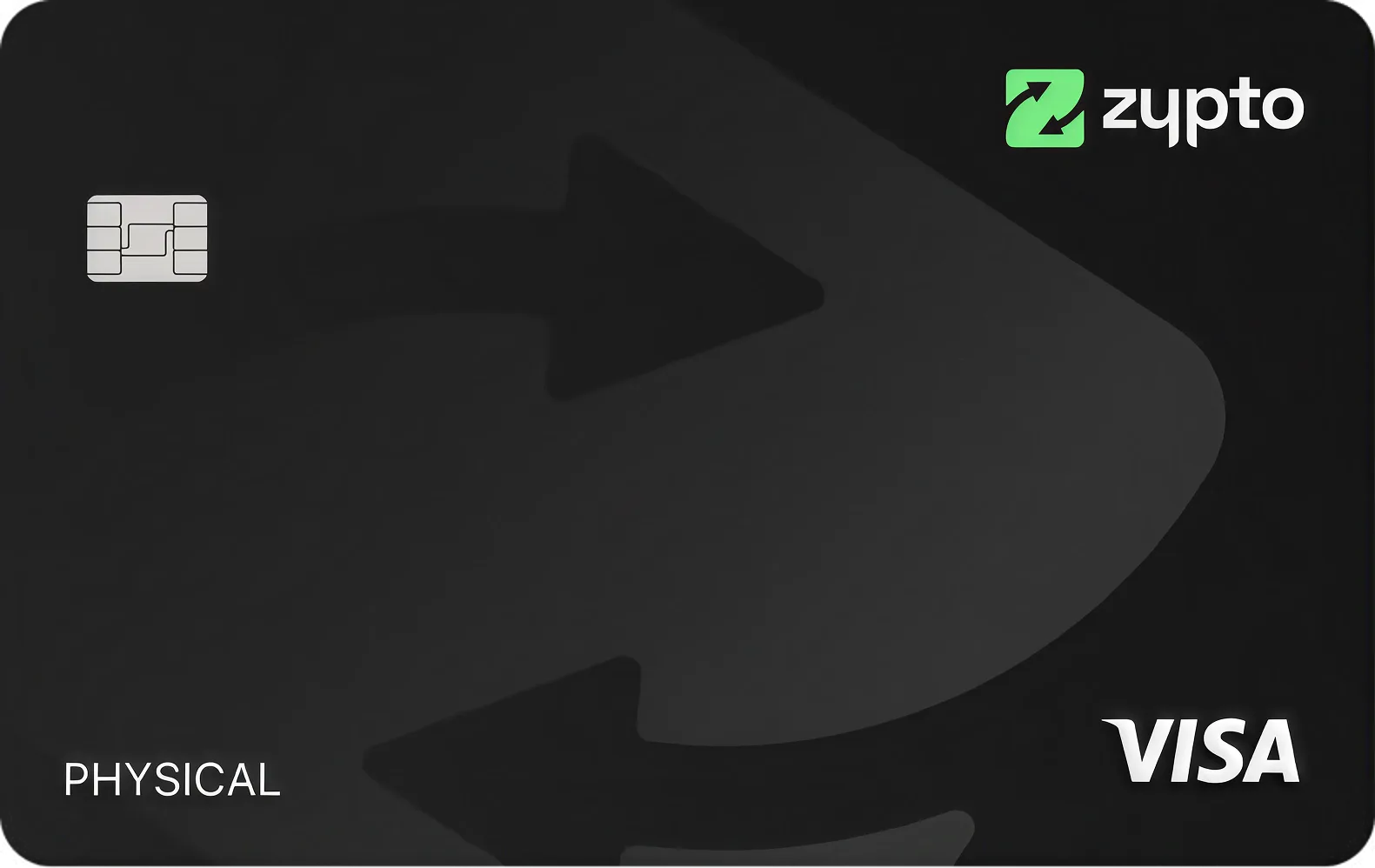
Zypto's Premium VISA Card is a prepaid card you top up from more than 100 cryptocurrencies, with no monthly fee, Visa Signature benefits and limits reaching $175,000 per transaction. Conversion happens when you load rather than at checkout, so you know your balance in advance. The catch: a 3% off-ramp fee on every load plus 1.75% FX, which makes it expensive for small, frequent spending.

Zypto is built for size, not thrift. The limits are the highest of any card here and the Visa Signature perks are real, but you pay 3% every time you load and 1.75% on foreign spending. That suits someone moving large sums occasionally, and punishes anyone buying coffee.

The Premium VISA Card comes in virtual and physical form, both prepaid and pre-funded from a non-custodial wallet. You convert crypto to a fixed USD balance at the moment you load, rather than at checkout. The physical card costs $50 including activation and international shipping; the virtual card requires a $10 first load. Physical Premium limits run to $175,000 per transaction and $1 million monthly across purchases, online and ATM. Blockchain gas is payable to the network on every load.

There is no cashback today; Zypto lists cashback and perks as launching soon. What exists is ZYP, an in-app rewards points scheme earned across the ecosystem, which can be used to load or partially load a card. Premium cards also carry Visa Signature benefits including concierge, lounge access and travel protection. Against that sit the running costs: 3% to off-ramp on each load and 1.75% on non-USD spending.

Annual fee

$0

Rewards rate

None

Monthly fee

None

Funding

USDC · ETH · wstETH · WBTC · OP

Bottom line

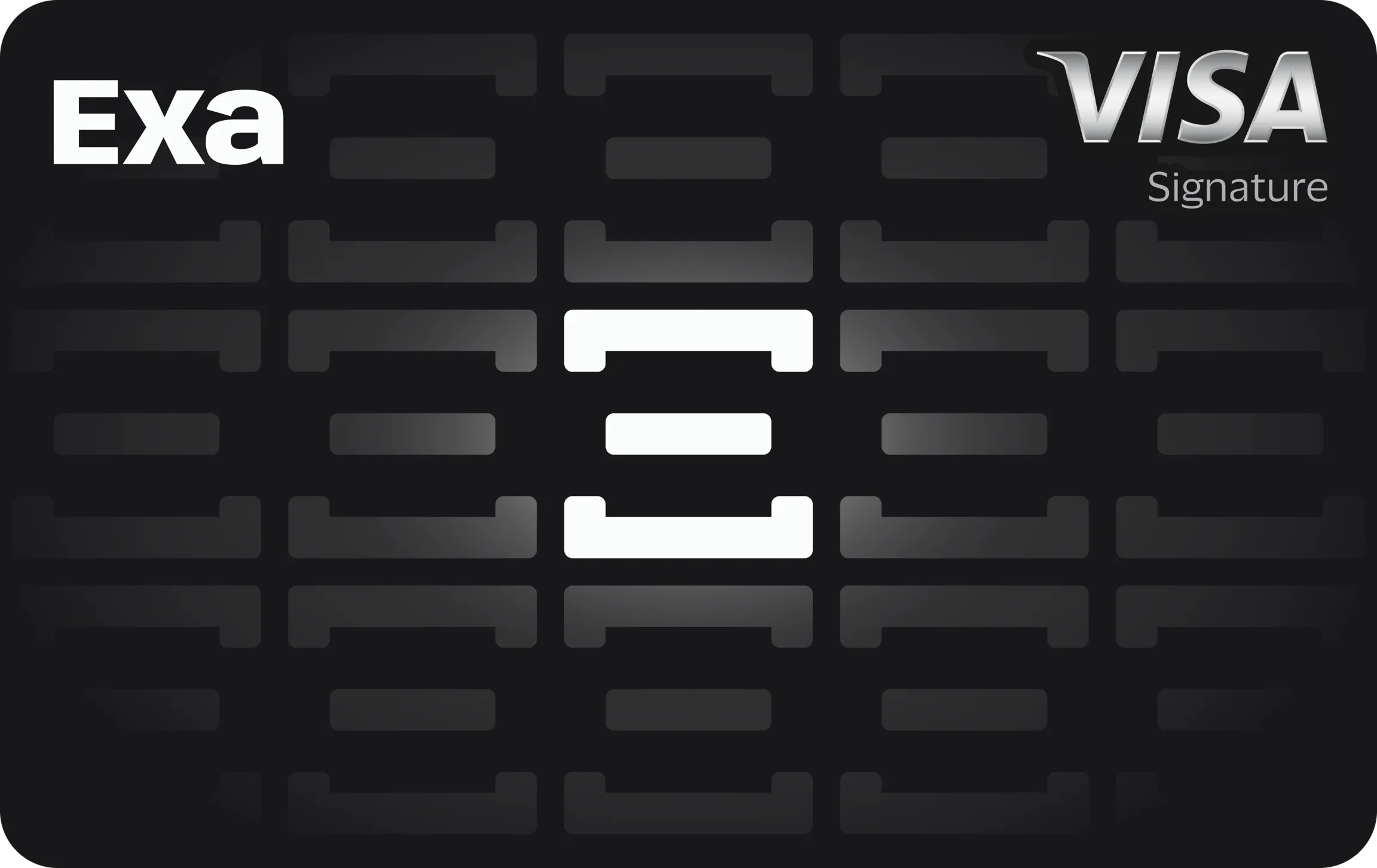
The Exa Card is a Visa Signature card that borrows against your crypto instead of spending it. Deposit USDC, ETH, WBTC, wstETH or OP, keep earning yield on it, and pay either instantly or in fixed-rate installments taken as an onchain loan at the moment of purchase. The catch: installments carry interest set at checkout, non-USD purchases cost 1.5%, and your collateral is exposed to the protocol.

Almost every crypto card sells your coins at the till. Exa borrows against them instead, so the position stays open and keeps earning while you spend. That is genuinely different. The trade is complexity and risk: you are taking an onchain loan at checkout, with interest and collateral exposure rather than cashback.

The Exa Card is a Visa Signature card from Exa Labs, powered by Exactly Protocol on non-custodial smart contracts; Exa Labs does not issue the card itself, licensed third parties do. Accounts use passkeys rather than seed phrases, and KYC takes minutes. Deposited USDC, ETH, wstETH, WBTC and OP earn a variable APR in Exactly's lending markets and double as collateral setting your credit limit. Purchases are paid instantly from balance or borrowed at a fixed rate and repaid every 28 days. Apple and Google Wallet are supported.

There is no cashback. The economics run the other way: deposits earn a variable APR from borrower interest in Exactly Protocol, while installment purchases borrow at a fixed rate locked in at checkout. The net effective rate can be positive, neutral or negative depending on whether deposit yield exceeds the loan rate. An origination fee may apply to loans, folded into the installment interest. Non-USD purchases carry a 1.5% FX fee inside the exchange rate.

Annual fee

$0

Rewards rate

None

Monthly fee

None

Funding

USDC · USDT · DAI · PYUSD

Bottom line

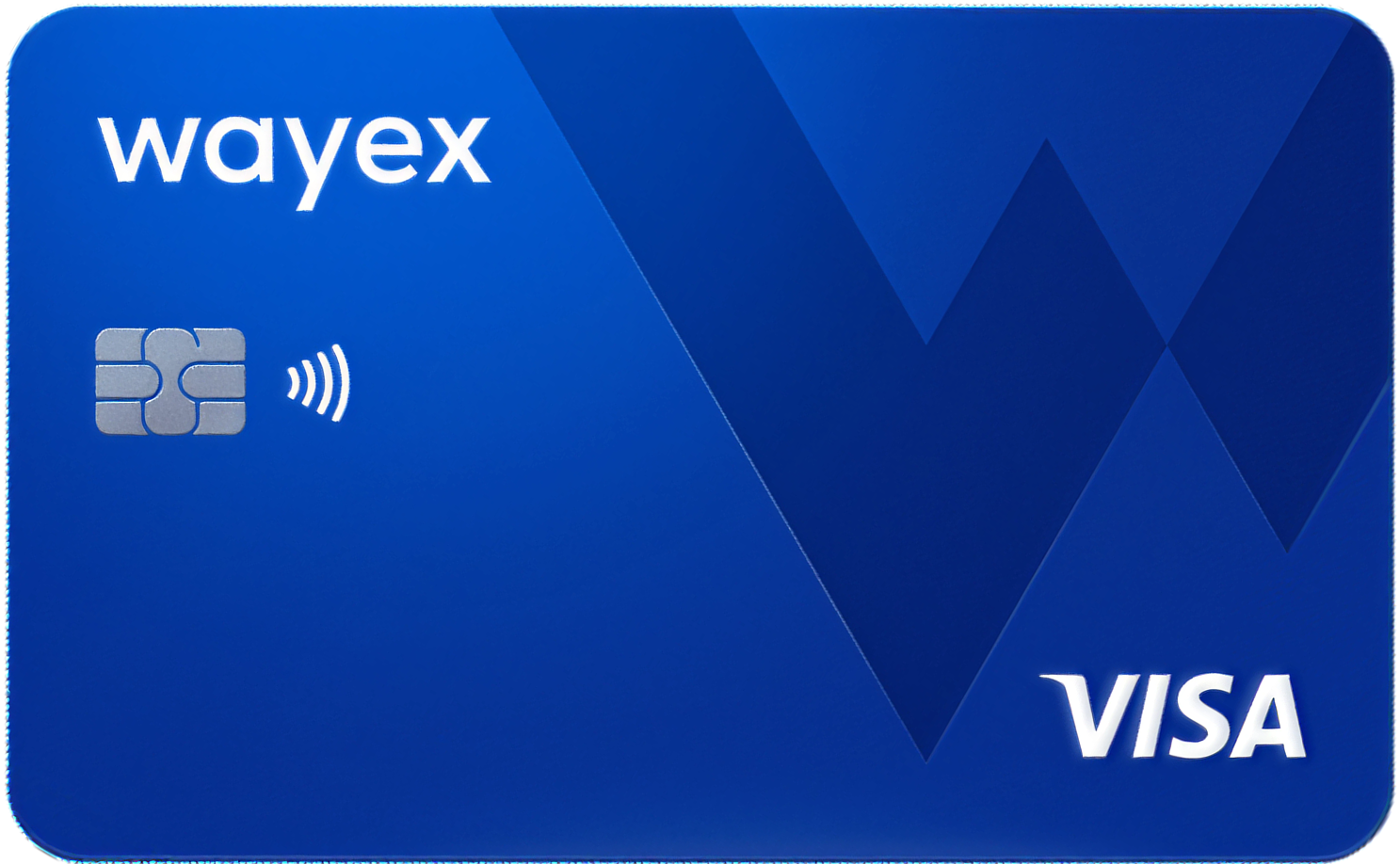
Wayex is a stablecoin account with a Visa card attached: deposit USDC, USDT, DAI, PYUSD or local fiat and it all becomes one USD balance you can spend anywhere Visa works. USD spending is free, the card is free, and an idle balance earns up to 5%. The catch: there is no cashback, anything bought in a currency other than dollars costs 1.5%, and card issuance is live in only around 18 regions so far.

Wayex is built around a single USD balance rather than a crypto portfolio, which makes it unusually simple: one number, five fiat rails, four stablecoins. The 5% yield on idle funds is its strongest benefit. But it pays no cashback, and Europeans pay 1.5% on every euro purchase, so it suits dollar earners best.

Wayex is a prepaid Visa card issued by Lead Bank, with Bridge, a Stripe company, as programme manager; Wayex itself is the platform provider, not a bank. Deposits in USDC, USDT, DAI or PYUSD across ten or more chains, or fiat via ACH, SEPA, Faster Payments, PIX and SPEI, all land in one USD balance. The virtual card is issued in seconds and pushes straight into Apple Pay or Google Pay. Card controls cover freezing, per-transaction limits and merchant categories. Applicants must be 18 or over and complete identity checks.

There is no cashback programme. The earning side is yield instead: Wayex pays up to 5% on liquid stablecoin balances, credited automatically and updated in real time, with fixed-term deposits of up to 20% advertised as coming soon through Kasu. On the cost side, spending in US dollars is free, non-USD purchases carry a 1.5% FX fee, and USDT deposits cost 0.1% while USDC and DAI convert one to one. Neither the yield rate nor the coming-soon products is guaranteed.

Annual fee

$0

Rewards rate

Up to 2%

Monthly fee

None

Funding

ARS · USD · BTC

Bottom line

Lemon Card is a free prepaid Visa from an Argentine crypto wallet, paying up to 2% cashback in Bitcoin on every purchase. Its standout feature is local: Lemon states that international purchases in foreign currency escape Argentina's 30% RG5617 perception that ordinary Argentine cards apply. The catch: Lemon publishes no FX or cash withdrawal fees, and the card is Argentine only.

For an Argentine, avoiding the 30% perception on foreign currency spending is worth far more than any cashback rate on this list. That single tax quirk is Lemon's real product; the 2% in Bitcoin is a bonus. Outside Argentina the card means nothing, which is precisely the point.

Lemon Card is a prepaid Visa. The account sits with Bay Treasure Caramel S.A., a virtual asset service provider registered with Argentina's CNV, while the payment account is run by Digifin S.A., which is explicitly not a financial institution, so balances are not guaranteed deposits. The virtual card is created in seconds and the physical card ships free with no maintenance charge. You can set daily spending limits, review monthly spending and pause the card. Cash is withdrawn at partner merchants rather than ATMs.

Cashback is up to 2%, paid in Bitcoin, on every purchase. Payments above 10,000 pesos also earn tickets for monthly prize draws covering travel and technology, which is a lottery rather than a rate. The larger financial benefit is not cashback at all: Lemon states that purchases in foreign currency are exempt from Argentina's 30% RG5617 perception, so a dollar costs a dollar. No FX spread or cash withdrawal fee is published against that.

Annual fee

$0

Rewards rate

Up to 2%

Monthly fee

None

Funding

ARS · USDT · BTC · ETH

Bottom line

Ripio Card is a prepaid Visa from one of Latin America's oldest exchanges, spending directly from your Ripio wallet in crypto or Argentine pesos. Paying with crypto earns 2% back in USDT, Bitcoin or Ether, the card has no maintenance cost and the physical version ships free. The catch: pesos earn only 0.5%, and Ripio publishes no FX or ATM fees.

The 2% on crypto spending is real cashback, not a fee refund, which puts Ripio ahead of most cards in this set. The gap is transparency: no published FX or ATM fees on a card built for Argentines who travel and shop abroad, which is exactly where those costs land.

Ripio Card is a prepaid Visa: amounts are taken from your Ripio wallet balance the moment you pay, in whichever currency you selected, so a balance must exist beforehand. Both virtual and physical cards are ordered in the app, and the physical one ships free. The virtual card covers online purchases and QR payments; the physical card works at any Visa merchant and at cash machines, supermarkets and service stations. Ripio has operated in Latin America since 2013.

Cashback is 2% when you pay with any cryptocurrency held on Ripio, credited in USDT, Bitcoin or Ether, and 0.5% when you pay with Argentine pesos. New cardholders get a higher rate for their first 30 days: 4% on crypto spending and 1% on pesos. Ripio also runs periodic promotions with extra cashback at selected merchants. Because the rate depends on which balance you spend from, the effective return varies with how you fund each purchase.

Annual fee

$0

Rewards rate

None

Monthly fee

None

Funding

+ 6 currencies

Bottom line

belo Mastercard is a free prepaid card from an Argentine crypto wallet, letting you pay in pesos, dollars, USDT, USDC, Bitcoin or Ether and choose which balance is used first. Requesting and activating it costs nothing, there is no maintenance fee, and the physical card arrives in under three days. The catch: it is open only to Argentine users, and belo publishes no cashback rate, FX fee or ATM fee.

belo's appeal in Argentina is spending crypto without converting first, and choosing which balance funds each purchase. It is genuinely free to hold. But the card page has gone quiet on cashback, which belo once promoted heavily, so the headline benefit is now cost avoidance rather than rewards.

belo Mastercard is a prepaid card issued to users of belo Argentina S.A., a virtual asset service provider registered with Argentina's CNV. Both virtual and physical cards are requested in the app, and the physical one arrives in under three days at no cost. You set the order in which balances are used, and the merchant always receives local currency. Cash can be withdrawn from Argentine ATMs and participating shops. The virtual card covers online purchases, bill payments and platforms such as Google Play.

belo's current card page and help centre state no cashback rate, so none is recorded here. That is worth noting: belo launched this card in 2022 promoting up to 21% back, and third-party reviews still repeat that figure years later. Neither belo's product page nor its help article on card costs mentions cashback today. belo does advertise automatic yield on balances held in the app, again without publishing a rate on these pages.

Annual fee

$0

Rewards rate

None

Monthly fee

None

Funding

AUD

Bottom line

CoinJar Card is the simplest way for Australians to spend crypto day to day: no monthly fee, a free physical card, and Apple Pay and Google Pay from the moment you're approved. Every purchase carries a 1% fee that comes back as Reward Points, so it's closer to fee-neutral than rewarding. The catch: it's Australia only, foreign spending costs 2.99% on top of that 1%, and CoinJar holds your crypto.

CoinJar Card's real distinction is longevity and simplicity: it comes from Australia's longest-running crypto exchange, costs nothing to hold, and lets you nominate any of 60+ cryptocurrencies as the account it spends from. But it is a payment tool rather than a rewards card. The 1% purchase fee comes back as points, so you break even instead of earning. If you are in Australia and want to spend crypto without thinking about it, it does that job well. If rewards are what you are after, several cards pay real cashback on purchases that cost you nothing to make.

CoinJar Card is a prepaid Mastercard issued by EML Payment Solutions and linked to your CoinJar account rather than a bank account. You nominate one spend account, either Australian dollars or any supported cryptocurrency, and CoinJar converts it to Australian dollars automatically at the point of sale. The digital card is issued instantly and works with Apple Pay and Google Pay; the physical card is free, and so are replacements. Spending is capped at A$5,000 and 25 transactions per day. ATM withdrawals are limited to A$1,000 across 5 withdrawals, counted inside that same daily total, with a A$20 minimum per withdrawal. Only physical cardholders can use ATMs, as the card does not support cardless cash. Identity verification is required and the card is issued only to Australian residents.

Every card purchase earns 1 CoinJar Reward Point per A$1 spent, and points are worth roughly A$0.01 each in the CoinJar Rewards Store, where A$10 of Bitcoin costs 1,000 points. That works out to about 1% back, which is exactly the 1% fee CoinJar charges on every purchase. In practice the points refund the fee rather than paying you on top of it. Points can be redeemed for crypto or gift cards, or used to cover trading and withdrawal fees. Foreign purchases add a 2.99% fee on top of the 1%, and points do not offset that.

Introducing CardIQ

See your approval odds and compare personalised offers in seconds.

Find your card