


Ether.fi Card
#90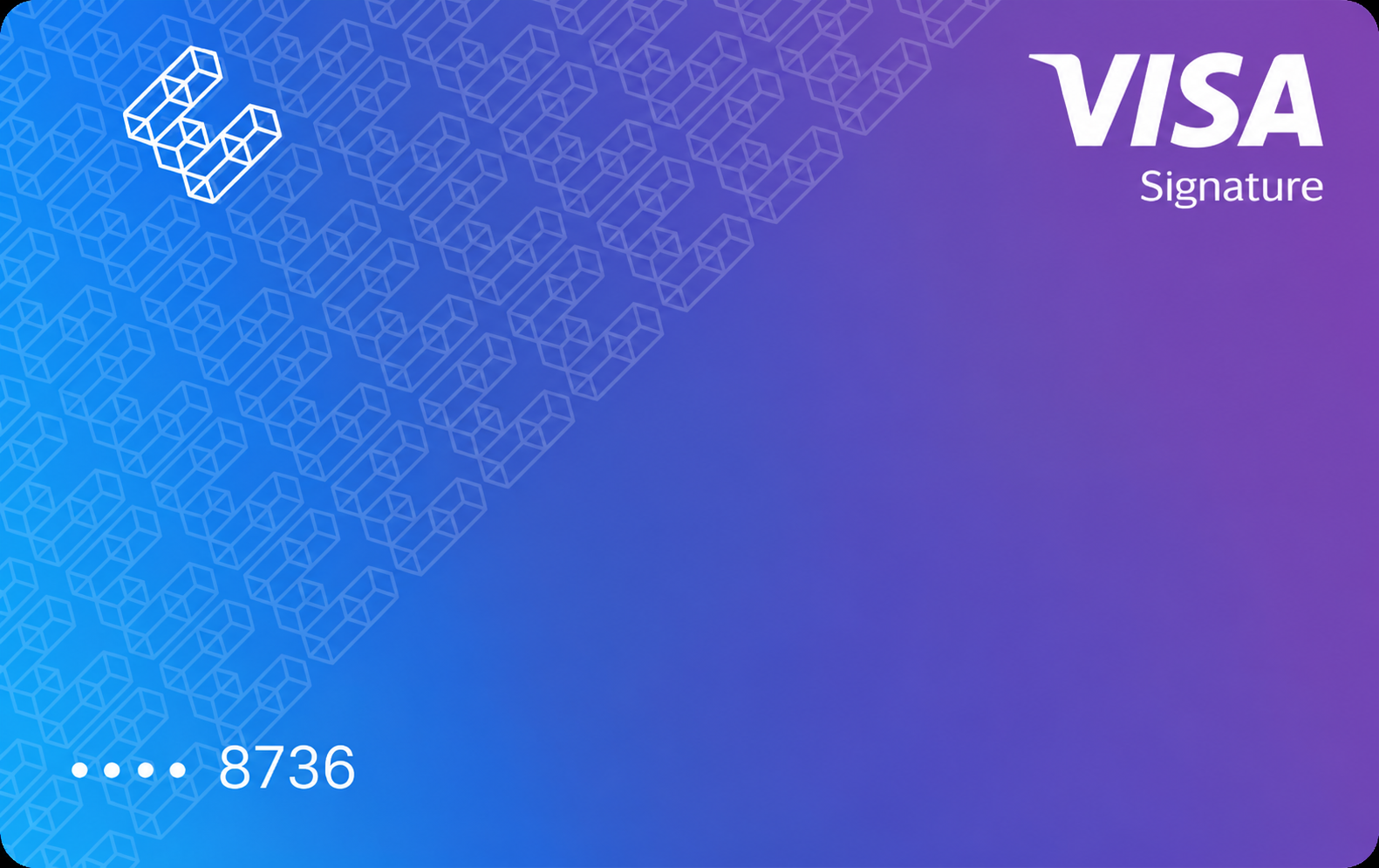
A genuinely non-custodial stablecoin Visa card with a strong 3% cashback headline, but that rate is capped at just $60 per month on the free tier, limiting real value for most spenders.
Get Ether.fi CardAvailability
Rewards rate
Up to 3%
FX fee
0%
Savings
0.0
Availability
223 countries
Ether.fi CardMain perks
Bonus offers
Rewards
Pros
Cons
Options to Ether.fi Card


FAQs
Questions, answered
The ether.fi Cash Card is a DeFi-native Visa Signature credit card that lets eligible users spend against crypto while keeping an on-chain, non-custodial account. It is designed to connect crypto assets with everyday card payments at more than 100 million Visa locations.
Cash supports virtual and physical cards, Apple Pay and Google Pay, cashback and Visa Signature benefits. Card features depend on the user's ether.fi Club membership level: Core, Luxe, Pinnacle or invitation-only VIP.
Unlike a simple prepaid crypto card, Cash can support credit-card-style spending and repayment while also offering a Direct Pay mode for supported use cases. The card programme is legally separate from the ether.fi protocol itself.
Yes. Self-custody is one of the defining features of ether.fi Cash. Ether.fi describes the account as non-custodial and says users can keep control of their crypto while using on-chain features for card spending.
This differs from exchange cards where the provider holds the crypto in a conventional custodial account. Cash is designed so users can use crypto value without first transferring everything into a centralised exchange balance.
The Visa card transaction itself still relies on card issuers and payment-network infrastructure, so not every stage of merchant settlement is decentralised. Users should understand both the on-chain account and the separate card terms.
Ether.fi Cash currently offers progressive cashback based on membership level and monthly spending. Standard eligible transaction rates range from 3% down to 0.5% as spending increases through the monthly tiers.
Core currently earns 3% on the first $2,000 of eligible monthly spending, Luxe on the first $10,000 and Pinnacle on the first $50,000. VIP currently advertises 4% on the first $50,000. Rates step down progressively above the headline band rather than stopping completely.
Cashback is credited in USD value and appears as USDC in the user's assets. EUR transactions use an adjusted cashback structure because they receive the separate zero-FX benefit.
Ether.fi currently has four Cash membership levels: Core, Luxe, Pinnacle and VIP. Core is available to Club members, Luxe unlocks at 10,000 loyalty points, Pinnacle at 50,000 points and VIP is invitation-only.
Higher levels increase benefits such as the amount of spending eligible for the headline cashback rate, free virtual and physical card allowances, subscription discounts and service features.
The card design also changes by level. Current benefits describe Core as plastic, Luxe as purple metal, Pinnacle as black metal and VIP as gold metal. Membership points are earned through qualifying activity, including card spending.
Ether.fi Cash currently charges a 2% fee on ATM withdrawals. Card-creation fees depend on membership level and whether the card is included in the user's free allowance.
For additional cards, current published fees are generally $10 for a virtual card and $50 to $100 for a physical card depending on tier. VIP lists additional cards at $0 under the current table.
FX pricing depends on currency and membership. EUR purchases currently receive zero FX markup. For other conversions, ether.fi says an underlying FX base rate of around 1% can apply, plus an added margin of up to 0.5% for Core, up to 0.25% for Luxe and no added margin for Pinnacle or VIP.
Ether.fi currently applies zero FX markup when the Cash card is used for purchases denominated in euros. The benefit applies whether the user's spending token is USDC or EURC.
Ether.fi describes this as paying the market conversion rate without an additional card-processor FX markup. EUR purchases have an adjusted cashback rate to balance the zero-FX benefit.
Other currencies can use different pricing. Ether.fi's general fee documentation describes an underlying FX base rate of around 1% where conversion is required, with additional margins depending on membership tier. The zero-markup EUR rule should therefore not be assumed to cover every currency.
Current personal Cash limits depend on membership tier. Ether.fi lists Core at up to $30,000 per day, Luxe at $50,000 per day and Pinnacle at $100,000 per day. VIP limits are handled separately for the invitation-only tier.
These are card spending limits rather than cashback thresholds. The amount earning the highest cashback rate can be much lower; for example, Core currently earns 3% on the first $2,000 of eligible monthly spending.
Practical spending capacity can also depend on the user's available account value, collateral or repayment mode. Users should check the live card dashboard before relying on the maximum daily limit for a large purchase.
Yes. Ether.fi Cash supports ATM withdrawals for eligible cardholders. The current personal-card limit is $500 per ATM transaction, with a maximum of three withdrawals in any rolling 24-hour period, or $1,500 total.
Ether.fi currently charges a 2% ATM withdrawal fee. The ATM operator can impose an additional surcharge or its own currency-conversion offer.
ATM withdrawals are restricted in certain jurisdictions for compliance reasons. Users who rely on cash should confirm local availability before travelling and compare the total fee with cards that include a fee-free monthly ATM allowance.
Yes. Ether.fi Cash officially supports both Apple Pay and Google Pay for eligible personal cardholders. This allows the virtual or physical card to be used for compatible contactless payments from a phone or wearable.
Mobile-wallet support is included across the current Core, Luxe, Pinnacle and VIP benefit table. Using a wallet does not change the membership level, cashback calculation or underlying spending mode.
Availability can still depend on the country and device. Users should follow the current ether.fi setup flow if a card cannot be added, because wallet provisioning is separate from ordinary Visa merchant acceptance.
Yes. Personal ether.fi Cash cards include Visa Signature benefits and access to Visa Airport Companion registration. Ether.fi lists Airport Companion lounge access across its current membership levels.
The exact number of complimentary visits, lounge eligibility and any guest charges depend on the Visa Airport Companion programme and the benefits attached to the user's issued card. Lounge access should therefore not automatically be interpreted as unlimited free visits.
Cash also includes other Visa Signature benefits such as concierge services, purchase protection, price protection, extended warranty and auto-rental insurance, subject to the applicable terms.
Yes. Ether.fi Cash supports physical as well as virtual cards. The number of free physical cards depends on membership level.
Core currently includes no free physical card and lists a $50 physical-card fee. Luxe includes one free physical card, while Pinnacle includes two. Higher tiers use metal cards, and free shipping is currently included for Luxe and above.
Card-creation limits also vary by tier. Core can have one active physical card, Luxe up to two and Pinnacle up to four under the current limits. Users who only need digital spending can use the included virtual-card allowance instead.
Ether.fi describes the personal Cash product as a Visa Signature credit card. It is not simply a prepaid debit card that requires every purchase to be funded by a fiat balance in advance.
Cash can use crypto-backed credit mechanics and repayment, while ether.fi also provides a Direct Pay mode for supported transactions. This gives users more flexibility than a conventional prepaid crypto card.
The distinction matters for refunds and repayment. Ether.fi explains that refunds in loan mode can arrive as USDC without automatically reducing the original borrowed amount, meaning interest can continue until the user uses funds to settle the loan. Users should understand the selected spending mode before purchasing.
Refund handling depends on the spending mode. In Direct Pay mode, ether.fi says the refund is processed as USDC, adjusted for cashback previously generated, and credited to the user's Vault balance.
In Loan Mode, the refund also arrives as USDC rather than automatically reducing the original loan. The borrowed amount remains outstanding and interest can continue to accrue until the user uses available funds to repay it.
This is an important difference from a conventional credit card where a merchant refund normally reduces the statement balance directly. Users should check their loan position after receiving a refund rather than assuming the debt has been cancelled.
Join ether.fi Club through the official ether.fi app or Cash page and complete the account and card eligibility process. Core is the entry membership level, with higher levels unlocked through loyalty points or invitation.
Eligible users receive access to a virtual card allowance and can order a physical card according to their membership benefits. Core currently lists one free virtual card in most regions and a $50 fee for a physical card.
Once active, Cash can be connected to supported crypto value and added to Apple Pay or Google Pay. Card availability and fees can vary by region, so the live onboarding flow should be treated as final.
Ether.fi Cash is one of the more distinctive crypto cards because it combines non-custodial account design, credit-card flexibility, up to 3% standard cashback, Visa Signature benefits and zero FX markup on euro purchases.
It is particularly attractive to users already active in DeFi who want to keep crypto on-chain rather than moving everything to a centralised exchange card. Higher Club levels also increase card allowances and the amount of monthly spending eligible for the headline cashback rate.
The trade-offs are complexity and fees such as the 2% ATM charge and non-EUR conversion costs. Loan-mode users must also understand collateral, repayment and interest mechanics rather than treating Cash like a simple debit card.