


MyCardCompareMyCardCompare
HomeCrypto CardsBest Crypto Cards in the United States

Best Crypto Cards in the United States

Compare crypto cards available in the United States. See fees, cashback, supported currencies and key features to find the right card for you.

Crypto cards available in the United States

Cards available to users in the United States, filtered and ranked. Compare fees, rewards, card type and funding methods in one place.

OUR TOP PICKS

Showing 17 cards

Tria Card card
Tria logo

Tria Card

3.7· 0 reviewsDebit
Get this card

on Tria Card’s secure site

Annual fee

$0

Rewards rate

Up to 6%

Monthly fee

2 USD/month

Funding

USD · USDC · USDT

Bottom line

The Tria Card pays genuine USD cashback with no cap at entry level, but rewards are locked until a future token event. Best for self-custody users who spend heavily enough to offset the $2 monthly fee.

Non-custodial Visa cards are rare, and Tria pairs that with uncapped 1.5% cashback, which beats most entry-level competitors. The real catch is that cashback is not paid immediately but held until the Token Generation Event, making the reward timeline uncertain. The $90 physical card fee also stings.

The Tria Card is issued by Rain out of Puerto Rico and runs on the Visa network. It is a non-custodial debit card denominated in USD. Both physical and virtual cards are available, priced at $90 and $20 respectively, and the card supports Apple Pay. Funding requires a manual preload rather than automatic conversion; a 0.4% conversion fee applies when moving crypto to cover spending. The card supports USDC and USDT across six blockchains. It is available in 223 countries with no foreign transaction fee. KYC is required and no linked bank account or IBAN is provided. Daily spend limit is $1,000,000 and daily ATM withdrawal is capped at $750, with ATM fees of $1 plus 1% per withdrawal.

On the default Virtual tier ($2 per month), cardholders earn 1.5% USD cashback on the first $100 spent each period, then 0.5% beyond that, with no monthly cap. Higher tiers unlock better rates: Signature ($9 per month) pays 4.5% on the first $1,000 then 1%, and Premium ($21 per month) pays 6% on the first $2,000 then 1%. A typical user on the free-entry tier realistically earns close to the 0.5% ongoing rate for most of their spending. One important caveat: cashback is not distributed immediately and is scheduled for release after the project's Token Generation Event, so the timing is not guaranteed.

Ether.fi Card card
Ether.fi logo

Ether.fi Card

3.5· 0 reviewsDebit
Get this card

on Ether.fi Card’s secure site

Annual fee

$0

Rewards rate

Up to 3%

Monthly fee

None

Funding

USD · frxUSD · liquidUSD · USDC · USDT

Bottom line

A genuinely non-custodial stablecoin Visa card with a strong 3% cashback headline, but that rate is capped at just $60 per month on the free tier, limiting real value for most spenders.

Ether.fi stands out for self-custody and zero conversion, FX, and monthly fees. The 3% cashback sounds impressive but the $60 monthly cap on the Core tier makes it largely symbolic. Unlocking meaningful cashback requires serious spending or a large $ETHFI stake.

The Ether.fi Card runs on the Visa network and operates as a non-custodial debit card denominated in USD. Both a physical card and a free virtual card are available, with the physical card costing $40. Apple Pay is supported. The card auto-converts stablecoins including USDC, USDT, frxUSD, and liquidUSD at zero conversion cost with no FX fee. It is available across 226 countries. KYC is required. Cardholders receive a US bank account and can accept third-party deposits, though no IBAN is provided. Daily spend limits are unlimited, and the daily ATM withdrawal limit is $750.

The Core tier pays 3% cashback on the first $2,000 of monthly spend, then drops to between 0.5% and 1% for the remainder, with a $1,000 monthly cashback cap overall. However, the entry cashback cap is effectively $60 per month, which means most everyday spenders will hit the ceiling quickly. Upgrading to Luxe or Pinnacle tiers raises the 3% window to $10,000 or $50,000 respectively, but access requires either accumulated points from heavy card spending or staking substantial amounts of $ETHFI tokens. A welcome promotion offers up to 15% cashback on dining, though this is time-limited. Cashback is paid in crypto.

Annual fee

$0

Rewards rate

None

Monthly fee

None

Funding

+ 3512 currencies

Bottom line

Spritz Card is a solid spend-from-wallet option for non-custodial crypto users who want broad token support and zero FX fees, but the 2% conversion cost and no cashback limit its appeal.

Spritz stands out for its non-custodial model and support for an enormous range of tokens across 11 blockchains. The 0% FX fee is a genuine advantage for international spending. However, a 2% conversion fee eats into every transaction, and the complete absence of rewards makes it harder to justify over competing cards that pay cashback.

The Spritz Card is issued by Pathward on the Visa network. It is a prepaid card with non-custodial custody, meaning users retain control of their own wallets. The card is physical only and does not support Apple Pay. Funding requires a manual preload step with no auto-conversion; each crypto-to-USD conversion costs 2%. The card is denominated in US dollars and supports over 11 blockchains with an exceptionally wide range of tokens. It is available in 30 countries including the US, UK, most of Europe, Australia, Canada, and Brazil. KYC is required, and the card does not include a personal bank account or IBAN. Daily spend limit is $10,000 USD, and ATM withdrawals are not available as this is a physical card without ATM access noted.

Spritz Card offers no cashback, no points, and no staking rewards program. There are no tiered reward structures and no welcome bonus. The card does not compensate users for spending in any form. Users considering Spritz should weigh the non-custodial model and broad token support against the fact that every purchase yields nothing back beyond the convenience of spending crypto directly at Visa merchants.

Gemini Card card
Gemini logo

Gemini Card

3.3· 0 reviewsCredit
Get this card

on Gemini Card’s secure site

Annual fee

$0

Rewards rate

Up to 3%

Monthly fee

None

Funding

+ 54 currencies

Bottom line

A solid US-only crypto credit card with a genuine 3% back on dining and no FX fee. The conversion cost and custodial setup are real trade-offs. Best for US crypto holders who eat out frequently.

Gemini Card earns well on dining and has a clean fee structure with no monthly or inactivity charges. The 1.74% conversion cost quietly erodes rewards for anyone spending outside bonus categories, and the custodial model means you never truly own the crypto until you move it.

The Gemini Card runs on the Mastercard network and is issued in the United States only. It is a credit card with custodial crypto rewards, meaning Gemini holds your earned crypto on your behalf. The card supports Apple Pay. There is no auto-conversion at point of sale; Gemini converts spending into USD credit while rewards are paid in crypto from your Gemini account. Crypto-to-fiat conversion carries a 1.74% cost. The card is available only to US residents and KYC verification is required. No personal bank account or IBAN is provided. Daily spend limit is $25,000 and daily ATM withdrawals are capped at $1,000, with ATM withdrawals costing 3%.

The card pays 3% crypto back on dining including restaurants, bars, and fast food, 2% on groceries at traditional and specialty food stores (wholesale clubs and some specialty retailers excluded), and 1% on all other qualifying purchases. A promotional rate of 10% crypto back applies to gas station pump and EV charging spend, capped at $200 per month and a total of $2,400 over the promotional period, dropping to 1% after the monthly cap. Unused monthly gas limits do not roll over. The 3% dining rate has a cap of $750 in rewards. A $15 welcome bonus applies. Rewards are paid in the crypto of your choice from Gemini's supported asset list.

Plasma One Card card
Plasma One logo

Plasma One Card

3.2· 0 reviewsPrepaid
Get this card

on Plasma One Card’s secure site

Annual fee

$0

Rewards rate

Up to 4%

Monthly fee

None

Funding

USD · USDC · USDT

Bottom line

Plasma One is a strong contender for stablecoin spenders who want uncapped cashback at entry level. The 1% FX fee stings for frequent travelers. Best suited to USD-based users who spend heavily.

A 2% uncapped base cashback rate is genuinely competitive, and the non-custodial setup is rare at this price point. The catch is real: rewards pay out in XPL tokens, not cash, and squeezing the best rates requires staking thousands of dollars worth of a native token most users have never heard of.

Plasma One is issued by Rain out of Puerto Rico and runs on the Visa network. It is a non-custodial prepaid card denominated in USD. The card ships as a physical card only, with no virtual card option, and supports Apple Pay. Funding is via manual preload using USDC or USDT across eight supported blockchains, with no auto-conversion from other crypto assets. There is no conversion cost, but a 1% FX fee applies at the base tier. The card is available in 227 countries and KYC is required. Cardholders receive a US bank account, enabling third-party deposits, though no IBAN is provided. The daily spend limit is a generous $1,000,000 USD. ATM withdrawals are not supported.

The base Lite tier pays 2% cashback on the first $500 of monthly spend, then drops to 0.1% with no cap beyond that threshold. Cashback is calculated in USD but paid weekly in XPL tokens, which must then be converted to access cash value. The Core tier at $10 per month raises the headline rate to 3% on the first $1,000 and adds AI-category cashback. The Platinum tier, gated behind roughly $9,000 in staked XPL, reaches 4% plus 10% on AI spend. A typical free-tier user realistically earns 2% on modest monthly spend, tapering sharply after $500. There are no fixed monthly earning caps beyond the tiered thresholds.

Nebeus Card card
Nebeus logo

Nebeus Card

3.1· 0 reviewsDebit
Get this card

on Nebeus Card’s secure site

Annual fee

$0

Rewards rate

None

Monthly fee

4.95 USD/month

Funding

+ 28 currencies

Bottom line

The Nebeus Card offers zero FX fees and broad crypto support across 25 assets, but a monthly fee and 2.15% conversion cost erode everyday value. Best for frequent international spenders who already use Nebeus.

Nebeus positions this card on its zero FX fee, which genuinely matters for international use. The problem is the 2.15% auto-conversion charge hits every time you spend crypto, and there are no cashback rewards to offset it. The monthly fee makes passive holders pay for nothing.

The Nebeus Card is issued by Dzing Finance in the United Kingdom and runs on the Mastercard network. It is a custodial debit card available in both physical and virtual form, with Apple Pay supported. Funding relies on auto-conversion from your Nebeus crypto balance, with a conversion cost of 2.15% applied at the point of spend. The card is denominated in EUR, GBP, and USD and is available across 194 countries. KYC is required at sign-up. Nebeus provides a personal bank account with a Luxembourg IBAN, though third-party deposits are not supported. The physical card is issued free of charge and valid for five years. Daily spend is capped at 5,000 EUR and daily ATM withdrawals at 2,000 EUR.

The Nebeus Card carries no cashback program and offers no points, miles, or staking-linked reward tiers. There are no welcome bonuses and no ongoing spending incentives of any kind. Nebeus has not published any in-app promotional cashback offers as a substitute. Users who want returns on card spending will need to look elsewhere, as this card provides no mechanism to earn on purchases regardless of spending volume.

Cypher Card card
Cypher logo

Cypher Card

3· 0 reviewsPrepaid
Get this card

on Cypher Card’s secure site

Annual fee

$0

Rewards rate

None

Monthly fee

None

Funding

+ 773 currencies

Bottom line

The Cypher Card is a non-custodial Mastercard with exceptional token breadth and global reach, but fees stack up fast and there is zero cashback. Best for self-custody users who want wide crypto access.

Cypher Card stands out for non-custodial control and support for hundreds of tokens across 25 blockchains. The trade-off is real: a $50 physical card fee, a 1.5% FX fee, a 1% conversion cost, and still no cashback program despite one being promised since late 2024.

The Cypher Card is issued by Reap in Hong Kong and runs on the Mastercard network. It is a prepaid card with non-custodial custody, meaning users retain control of their own assets. Both a physical card and a virtual card are available; the virtual card is free while the physical card costs $50. Apple Pay is supported. Funding requires manual preload since auto-conversion is not available, and conversion carries a 1% cost. A 1.5% foreign exchange fee applies to non-USD transactions. The card is denominated in USD and available to residents of approximately 160 countries, including the United States, the United Kingdom, most of Europe, and large parts of Asia, Latin America, and the Middle East. KYC is required and no linked bank account or IBAN is provided. Daily spend is capped at $4,000 and daily ATM withdrawals are limited to $500, with a 1% ATM fee applied.

The Cypher Card currently offers no cashback and no ongoing rewards program. A cashback launch was indicated for around Q4 2024 but has not materialized as of mid-2026. New cardholders receive a one-time welcome bonus of 50 reward points, though the redemption value of these points is unclear. There are no spending tiers, no staking requirements, and no partner offers confirmed at this time. Users choosing this card should do so purely on its utility and non-custodial features rather than any expectation of earning rewards.

MetaMask Metal Card card
Metamask logo

MetaMask Metal Card

2.9· 0 reviewsCrypto
Get this card

on MetaMask Metal Card’s secure site

Annual fee

$199

Rewards rate

Up to 3%

Monthly fee

$199/year

Funding

+ 6 currencies

Bottom line

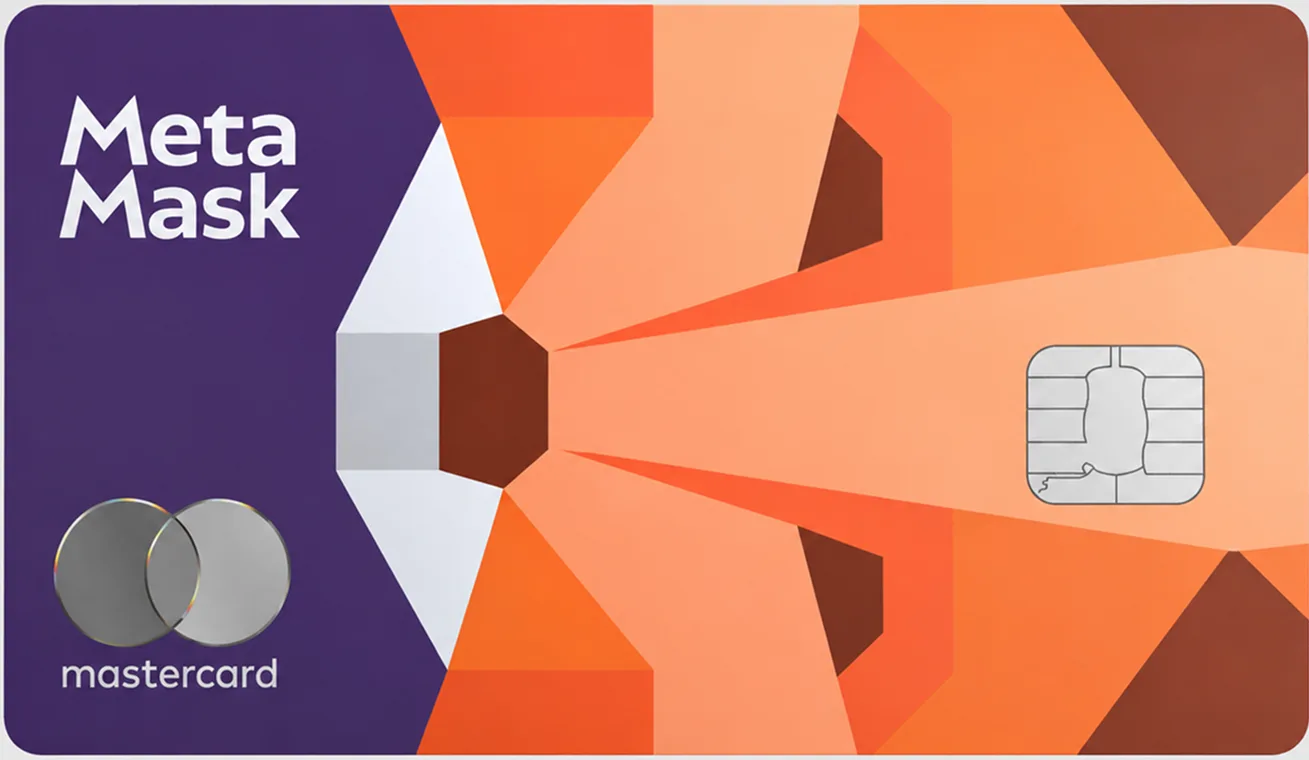
MetaMask Metal is the paid tier of MetaMask's Mastercard, spending straight from your self-custodial wallet on Linea, Base, Solana or Monad. It pays 3% back in mUSD on your first $10,000 each year, charges nothing on cross-border purchases and covers ATM withdrawals up to $1,200 a month. The catch: $199 a year, the rate drops to 1% after $10,000, and it can only be ordered in the US, where orders are currently paused.

Metal buys away the two weaknesses of the free card: the 1% cross-border fee and the 1% cashback rate. At $199 a year you need roughly $6,700 of annual spend before the 3% pays for itself. Worth it for heavy spenders in the US, and irrelevant everywhere else until it ships beyond it.

MetaMask Metal is provided by Baanx and issued by Monovate on the Mastercard network; MetaMask itself holds no funds. It draws on your self-custodial wallet across Linea, Base, Solana and Monad, spending mUSD, wETH, EURe, GBPe, USDC or USDT. Stablecoins matching your country or the merchant's carry no conversion fee, mismatched stablecoins cost 0.5% and volatile tokens such as wETH cost 0.875%. Limits are $20,000 per transaction and $30,000 daily, with ATM withdrawals capped at $5,000 a day. Replacement costs $99.

Metal pays 3% back in mUSD on the first $10,000 spent each year, then 1% above that, deposited automatically to a Money Account. Cross-border purchases carry no fee, subject to fair usage, and ATM withdrawals are free up to $1,200 a month before a 2% fee applies. Hotel bookings through MetaMask Card Travel earn 4% on top, taking Metal holders to 7% in total.

Tuyo Card card
Tuyo logo

Tuyo Card

2.9· 0 reviewsDebit
Get this card

on Tuyo Card’s secure site

Annual fee

$0

Rewards rate

None

Monthly fee

None

Funding

USD · USDC

Bottom line

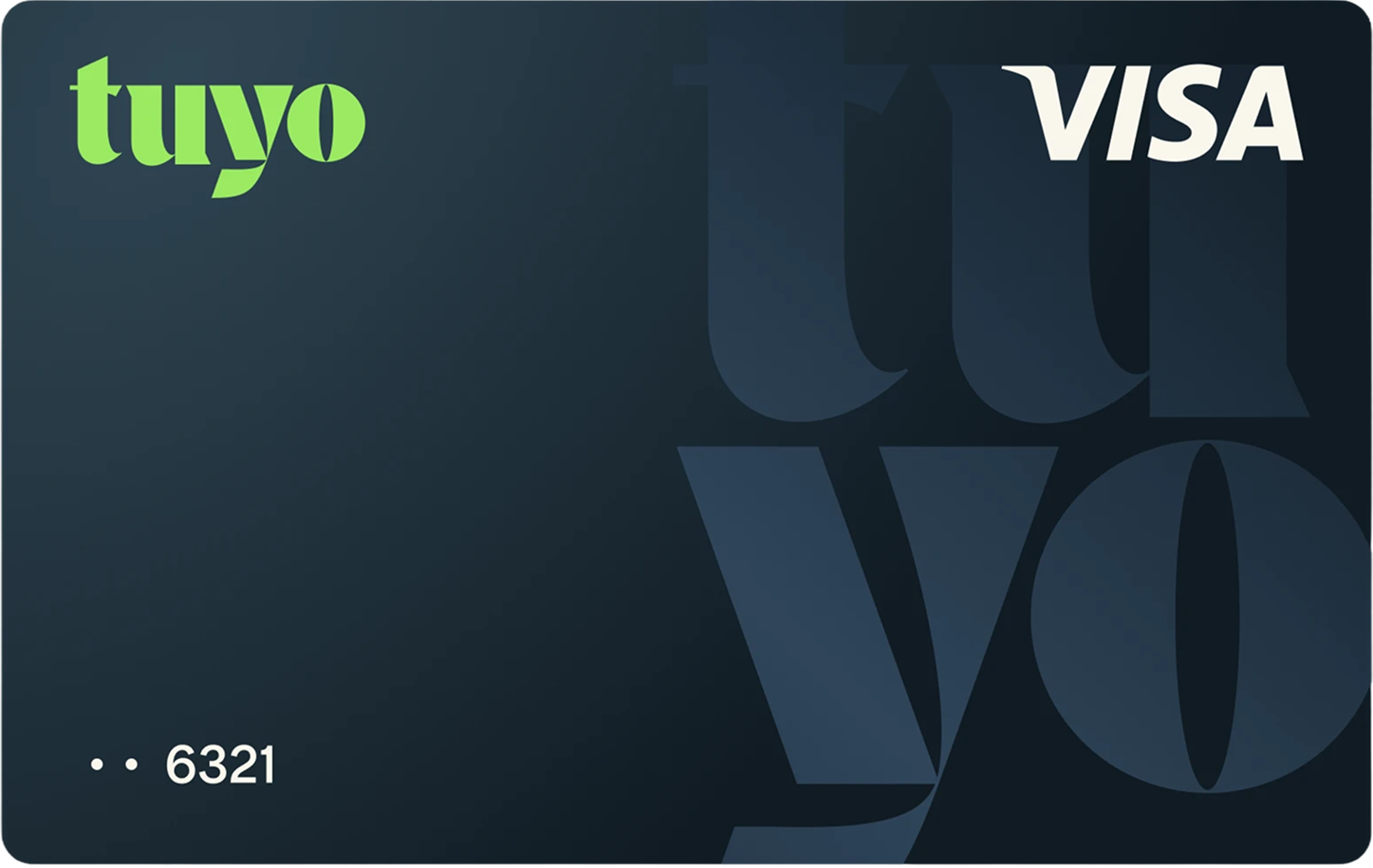
The Tuyo Card is a solid fee-free non-custodial Visa debit for USDC spenders who want zero conversion costs and a high daily limit. Its rewards are speculative points with no redemption value yet, which is a real limitation. Best for active USDC users who value self-custody.

Tuyo stands out for combining non-custodial architecture with a genuinely fee-free structure: no monthly fee, no FX fee, no conversion cost. The $200,000 daily spend limit is exceptional. The honest catch is that its TUYO points system is effectively unredeemable right now, making rewards aspirational rather than real.

The Tuyo Card is issued by Rain out of Puerto Rico and runs on the Visa network. It is a non-custodial debit card, meaning users retain control of their funds rather than handing custody to the issuer. The card is physical only and supports Apple Pay. Funding works through auto-conversion of USDC across five supported blockchains, with zero conversion cost and no FX fee at point of sale. The card is USD-denominated and available in 226 countries. KYC is required, and cardholders gain access to a US bank account that accepts third-party deposits. There is no IBAN. The daily spend limit reaches $200,000, and ATM withdrawals are not available as this is a physical card without an ATM access feature noted.

Tuyo uses a proprietary points currency called TUYOs rather than cashback. Spending with the card earns roughly 0.50 TUYOs per dollar spent. Trading within the app earns about 0.05 TUYOs per dollar traded. Yield strategies earn points daily based on balance, and referrals return around 20 percent of a referred friend's TUYO earnings. The critical caveat is that TUYOs currently have no cash value and no redemption mechanism. They function as an activity tracker, with the suggestion that rewards will be introduced at a future date. Until that happens, the rewards program delivers nothing tangible to the cardholder.

Annual fee

$0

Rewards rate

None

Monthly fee

None

Funding

+ 6 currencies

Bottom line

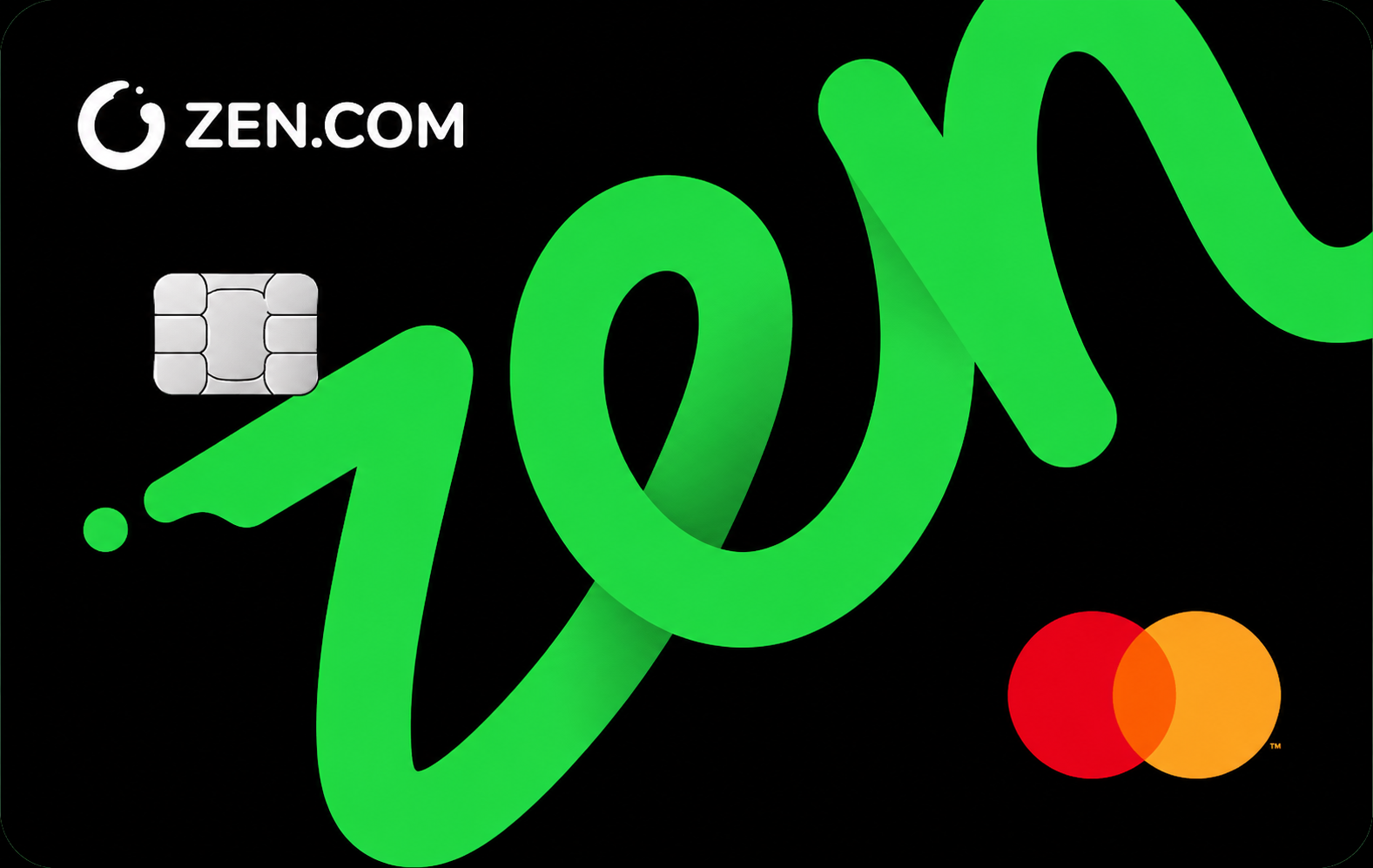
ZEN Card is a competent EUR-denominated Mastercard for crypto holders across 60 countries, but its 2.5% conversion fee and cashback limited to a handful of partner stores undercut its value proposition for active spenders.

ZEN sits in a crowded mid-tier field and mostly holds its own: no monthly fee, a free virtual card, and a personal IBAN are solid foundations. The conversion cost of 2.5% is a real drag for anyone spending crypto regularly, and the cashback program is too thin and conditional to count as a genuine perk.

ZEN Card is issued by ZEN.COM, a Lithuanian fintech, and runs on the Mastercard network. It is a debit card denominated in EUR. Both a free virtual card and a physical card are available, the physical version costing a one-time EUR 10. Apple Pay is supported. The card does not auto-convert crypto at point of sale; users must manually preload EUR, with crypto-to-EUR conversion charged at 2.5%. A 0.5% FX fee applies to non-EUR transactions. Supported crypto assets include BTC, ETH, LTC, USDC, and USDT. The card is available across 60 countries spanning Europe, North America, Asia, and beyond. KYC is required. Cardholders receive a personal IBAN and Lithuanian bank account with third-party deposit support. Daily spend limit is EUR 10,000 and the daily ATM limit is EUR 30,000, with ATM withdrawals charged at 1.5%.

ZEN Card has no universal cashback on everyday purchases. Rewards exist only at a small selection of partner merchants, with examples including NordVPN at 11% and Travala at 4%. Free-tier cardholders receive only 50% of the advertised cashback rate at those stores, halving the headline figures immediately. The partner list is short and changes over time, so consistent earning is not realistic for most users. There are no staking requirements, no tiered token rewards, and no welcome bonus. Paid tiers starting at EUR 0.90 per month unlock the full displayed cashback rate at partner stores.

Phantom Card card
Phantom logo

Phantom Card

2.9· 0 reviewsDebit
Get this card

on Phantom Card’s secure site

Annual fee

$0

Rewards rate

None

Monthly fee

None

Funding

+ 1383 currencies

Bottom line

The Phantom Card is a self-custody Solana debit card with massive token support and zero FX fees, but no cashback and US-only availability make it a niche pick for active Solana traders who spend domestically.

Phantom built this card around its existing wallet ecosystem, and the breadth of spendable Solana tokens is genuinely unmatched. The 0.95% conversion fee is reasonable, and self-custody is a real differentiator. The absence of any rewards program and the US-only footprint are meaningful limitations that hold it back for most users.

The Phantom Card runs on the Visa network and is issued as a physical debit card tied to the Phantom self-custody wallet. It supports Apple Pay for contactless payments. Funding works via manual preload from your Phantom wallet rather than automatic conversion at checkout, and a 0.95% conversion fee applies when spending crypto. The card operates exclusively within the United States and covers an enormous range of Solana-based tokens. KYC is required to activate the card. No linked bank account or IBAN is available. Daily spending is capped at $5,000. The card is virtual-only in terms of ATM access, meaning no ATM withdrawals are supported.

The Phantom Card currently offers no cashback, no points, and no staking rewards program. There are no tiered incentive structures or welcome bonuses. The card's value proposition rests entirely on its utility as a spending tool for Solana wallet holders rather than on any earn mechanics. Users looking for rewards on crypto card spending will need to look elsewhere, as Phantom has not announced any rewards launch timeline.

Annual fee

$0

Rewards rate

Up to 3%

Monthly fee

None

Funding

+ 6 currencies

Bottom line

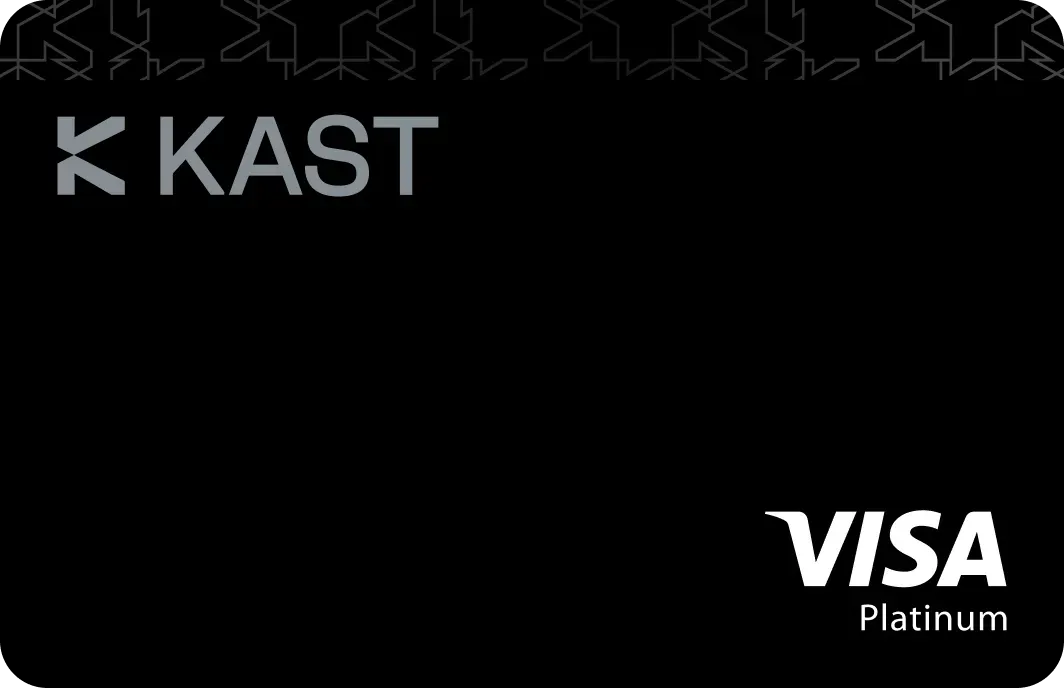
The KAST Card delivers solid stablecoin spending with a clean free tier, but a $30 monthly cashback cap at entry level keeps real-world returns modest. Best for globally mobile stablecoin users who want no conversion fees.

KAST stands out for zero conversion costs and broad country support across 177 markets, but the free tier's $30 cashback cap is a hard ceiling that limits value for anyone spending seriously. Paid tiers unlock meaningfully higher caps, yet $85 to $850 per month is steep pricing to justify on cashback math alone.

KAST Card is issued by Rain out of Puerto Rico and runs on the Visa network. It is a custodial debit card denominated in USD. Both a free virtual card and a physical card are available; the physical card costs $40 to ship at the standard tier but ships free on paid tiers. Apple Pay is supported. The card auto-converts stablecoins including USDT, USDC, USDE, PYUSD, and RLUSD at the point of purchase across 13 blockchains, with zero conversion cost. Foreign currency transactions carry a 1.75% FX fee. The card is available in 177 countries and KYC is required. Cardholders receive a US bank account, enabling third-party USD deposits, though no IBAN is provided. Daily spend is unlimited; daily ATM withdrawals are capped at $750.

The free standard tier pays 1.5% cashback in USD, hard-capped at $30 per month, which means the cap is hit at $2,000 in monthly spending. Premium tier ($85/month) raises cashback to 2% with a $200 cap and adds 1% back in KAST Points with no cap. Private tier ($850/month) pays 3% cashback up to $1,500 plus 2% in KAST Points uncapped. One KAST Point is currently valued at $0.08, though KAST plans a token launch in Q4 2026 that could change point economics. Cashback becomes redeemable after 14 days and is applied automatically toward future card purchases. A task-based bonus system also exists for actions like deposits and card use, though specific bonus amounts are not fixed.

Payy Card card
Payy logo

Payy Card

2.7· 0 reviewsDebit
Get this card

on Payy Card’s secure site

Annual fee

$0

Rewards rate

None

Monthly fee

None

Funding

USD · USDC · USDC.E · USDT

Bottom line

The Payy Card is a capable stablecoin debit card with no monthly fee and self-custody, but its 1% FX fee and points-only rewards system with no confirmed redemption value limit its appeal to stablecoin spenders who want simplicity over earnings.

Payy sits in a growing crowd of stablecoin-backed Visa cards. Self-custody and zero conversion costs are genuine strengths. The 1% FX fee is a real cost for international spenders, and the points program is essentially speculative, offering no confirmed cash value at launch.

Payy Card is issued by Rain out of Puerto Rico and runs on the Visa network. It is a self-custodial debit card, meaning you retain control of your funds. The card is physical only, with no virtual card option, and supports Apple Pay. Funding is handled through auto-conversion from stablecoins across five blockchains, with USDC, USDC.E, and USDT supported and no conversion fee applied. Spending is denominated in USD. The card is available in 233 countries, KYC is required, and no linked bank account or IBAN is provided. Daily spend is unlimited, and ATM withdrawals are not available given the physical-only format.

The Payy Card offers no cashback. In its place sits a points system called Payy Points. Holding a balance earns roughly one point per dollar per day, and each successful referral adds 10,000 points to your account. At the time of writing, these points carry no confirmed cash or redemption value. They function as loyalty points with potential future utility. Until a clear redemption mechanism is published, typical users should treat this card as a zero-rewards product and plan accordingly.

Annual fee

$0

Rewards rate

None

Monthly fee

None

Funding

USD · USDC

Bottom line

A self-custody USDC Visa card with a $50,000 daily spend ceiling and no conversion fees, but no cashback and a 1% FX fee. Best for non-custodial USDC spenders who want high limits.

Tangem's card earns points for genuine self-custody and an unusually high spend limit. The trade-off is stark: only USDC is supported, there is zero cashback, and the 1% FX fee will quietly add up for anyone spending across currencies regularly.

The Tangem Visa card is a physical prepaid card operating on the Visa network. It is non-custodial, meaning users hold their own keys rather than relying on a third-party custodian. The card supports Apple Pay. It accepts USDC as its sole supported currency, with no automatic conversion and no conversion fee when spending within that balance. A 1% foreign exchange fee applies to non-USD transactions. KYC verification is required to activate the card. No linked bank account or IBAN is provided. The card is available across 109 countries including the United States, Australia, Japan, Singapore, Brazil, and much of Africa and the Middle East. Daily spend limit reaches $50,000. ATM withdrawals are not available as this is a physical card without ATM functionality listed.

The Tangem Visa card carries no cashback program and no points or rewards scheme of any kind at this time. There are no welcome bonuses or tiered reward structures. Users receive no percentage back on purchases regardless of spending volume. The card offers no compensation for the 1% FX fee through offsetting rewards. The sole value proposition on the spend side is the absence of conversion fees when spending USDC directly, which functions as a cost saving rather than a reward.

Annual fee

$0

Rewards rate

None

Monthly fee

None

Funding

USD · USDT

Bottom line

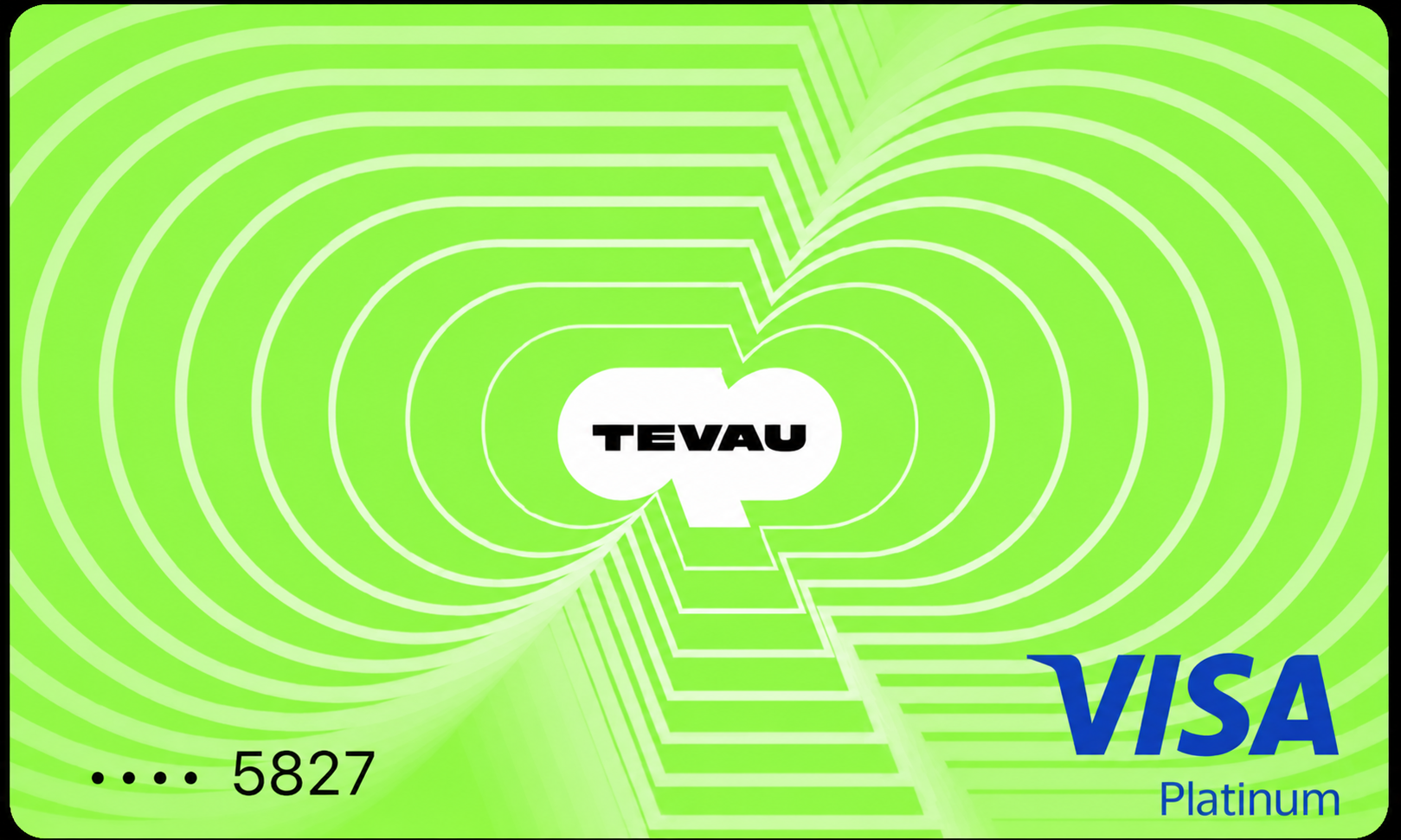
The Tevau Card is a wide-reaching USDT prepaid Visa with a massive spend ceiling and broad global access, but it offers no rewards and charges for every significant action. Best for high-volume USDT spenders who need global reach.

Tevau positions itself on access and scale rather than value. The $3,000,000 daily spend limit is genuinely unusual, and 203-country coverage is hard to beat. But USDT-only funding, a $100 physical card fee, a 1.2% FX fee, and zero cashback make it a purely functional tool with no loyalty upside.

The Tevau Card runs on the Visa network. It is a custodial prepaid card denominated in USD. Both a free virtual card and a physical card are available, with the physical card costing $100 upfront. Apple Pay is supported. Funding is USDT only across three supported blockchains, and conversion is not automatic. Users must manually preload the card, and conversion carries a 1% cost. A 1.2% foreign exchange fee applies to non-USD transactions. The card is available in 203 countries, making it one of the broader-coverage products in this category. KYC is required and no personal bank account or IBAN is provided. The daily spend limit reaches $3,000,000, while daily ATM withdrawals are capped at $3,000 with a 1.9% ATM fee per withdrawal.

The Tevau Card carries no cashback program and no ongoing reward structure of any kind. There are no points, no tiered incentives, and no staking bonuses linked to card spending. The only promotional element is a 50% discount on the $100 physical card fee available at signup, reducing the initial cost to $50. Beyond that one-time discount, users should expect no financial return on their card spending. The card competes purely on utility and access, not on rewards.

Annual fee

$0

Rewards rate

None

Monthly fee

None

Funding

USD · BSC-USD · USDT

Bottom line

The Jam Card is a no-frills physical Visa for stablecoin spenders who want self-custody and global reach. Its 4.2% conversion cost is steep. Best suited to USDT users in emerging markets who prioritize control over rewards.

Reap-issued and non-custodial, the Jam Card has genuine appeal for users who refuse to hand over their crypto to a third party. The geographic reach is impressive. But a 4.2% conversion fee and 2.5% FX fee stack up fast, and the complete absence of rewards makes every transaction cost more than it should.

The Jam Card is issued by Reap out of Hong Kong and runs on the Visa network. It is a prepaid card with non-custodial custody, meaning users retain control of their funds. The card is physical only, with no virtual card option, and supports Apple Pay. Funding requires manual preloading rather than automatic conversion, and converting crypto to spendable balance costs 4.2%. Foreign currency transactions carry an additional 2.5% FX fee. Supported assets are BSC-USD and USDT across five blockchains. The card is available in over 227 countries. KYC is required, and no personal bank account or IBAN is included. Daily spend is unlimited, and ATM withdrawals are not supported on this physical-only card.

The Jam Card offers no cashback, no points, and no staking rewards program at this time. The issuer has indicated a cashback program is planned for a future launch, but no rate, timeline, or structure has been confirmed. Until that program goes live, users receive nothing back on purchases. There are no welcome bonuses, referral rewards, or in-app promotions documented. Cardholders should treat this purely as a spending tool and factor the conversion and FX fees into the total cost of each transaction.

Annual fee

$0

Rewards rate

Up to 1.5%

Monthly fee

None

Funding

USD · BTC

Bottom line

Fold Card delivers Bitcoin rewards but only for paying subscribers. The spin-to-earn mechanic is novel, but free-tier users earn nothing. Best for US Bitcoin fans willing to pay for perks.

Fold carved a niche with its Bitcoin-back spin rewards and gamified app, but the free tier is essentially decorative. You must pay $10 a month to earn any cashback at all, which undercuts the value proposition for casual users. Competitors hand out 1% at no cost.

Fold Card runs on the Visa network and operates as a custodial prepaid card denominated in US dollars. Both a physical card and a virtual card are available at no issuance cost, and Apple Pay is supported. The card requires manual preloading rather than automatic conversion, and a 1% crypto-to-USD conversion fee applies on the paid Spin+ plan, rising to an effective cost on the free tier as well. Rewards are paid in Bitcoin, the only supported asset. The card is available exclusively in the United States and KYC verification is required. A personal US bank account can be linked, and third-party deposits are accepted. Daily spend limit is $10,000 and daily ATM limit is $1,000.

Free-tier cardholders earn zero cashback. The $10 per month Spin+ plan unlocks up to 1.5% back in Bitcoin on travel, dining, and entertainment purchases, and 0.5% on all other card spending. The signature feature is a spin mechanic in the Fold app where each transaction earns a spin for a chance at bonus Bitcoin rewards. A $12 welcome bonus is available for new users. Realistically, a typical free-tier user earns nothing, making the headline 1.5% rate misleading without the paid subscription factored into the net return.

Introducing CardIQ

See your approval odds and compare personalised offers in seconds.

Find your card

About Crypto cards available in the United States

Compare the best crypto cards available in the United States. Independent ratings, real fee data, rewards and key features, updated every month.