
Cypher Card Review: Is This Non-Custodial Crypto Card Still Worth It in 2026?
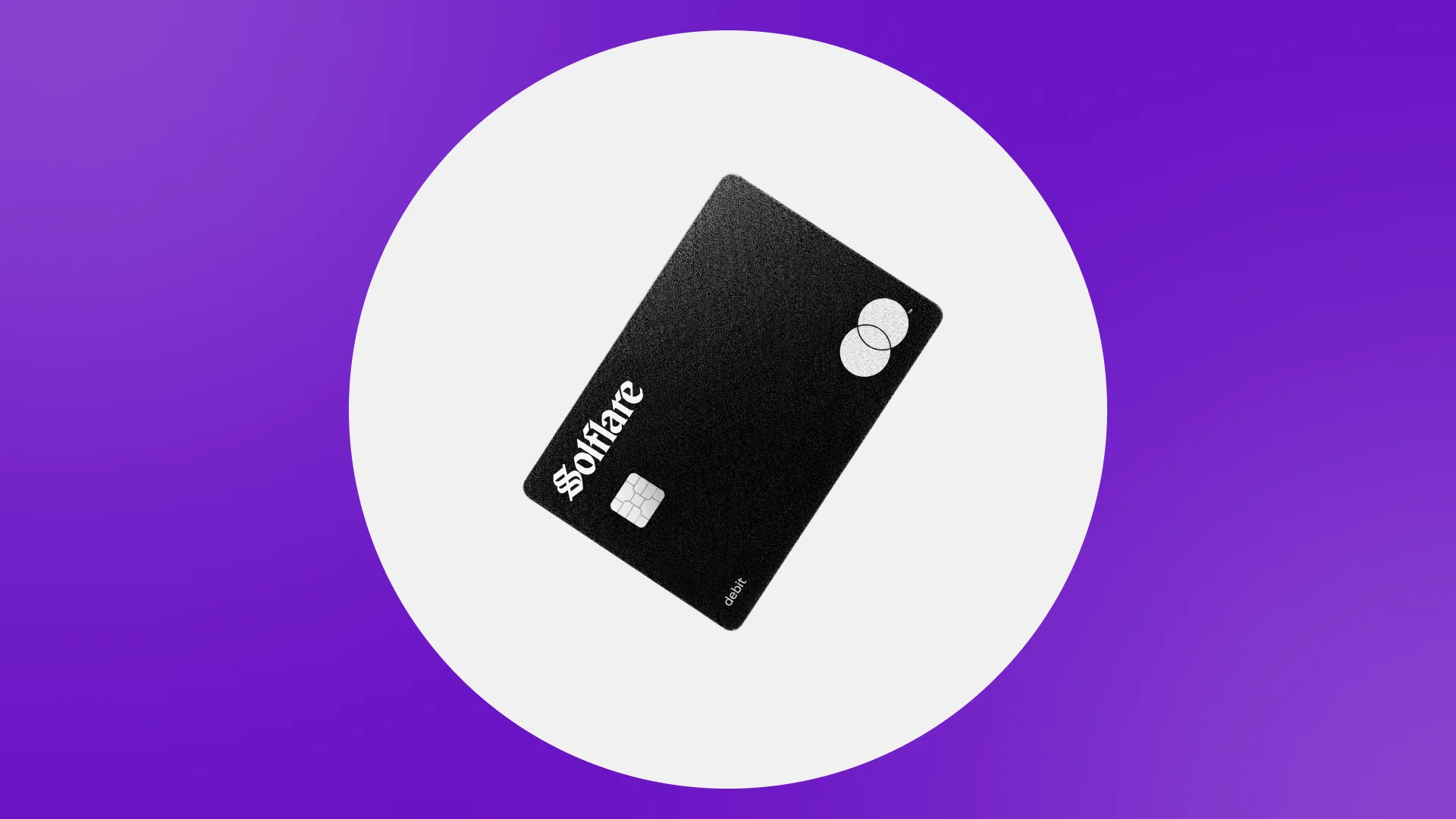
The Cypher Card is a non-custodial Visa Platinum prepaid card that lets you spend crypto from a self-custody wallet, but it is now sunsetting. Cypher has been acquired by Nium, and the current platform is winding down. Existing cards will continue functioning for purchases until August 7, 2026, after which they will be cancelled. The Standard plan charges $0 annual fee, 0.5% USDC load fee, and a 1.75% FX markup on non-USD spending. However, given the confirmed shutdown date of September 6, 2026, new users should weigh alternatives carefully before signing up, and existing users should prioritise withdrawing funds.
Introduction
Self-custody crypto cards solve a real problem: they let you spend digital assets at everyday merchants without handing private keys to a centralised exchange. The Cypher Card is a free self-custody Visa Platinum that converts 500+ tokens from 15+ blockchains to fiat at the point of sale. It carved out a niche as one of the broadest multi-chain non-custodial cards available, but the Nium acquisition has changed the picture entirely. This review covers Cypher Card fees, its self-custody model, supported assets, KYC requirements, the confirmed wind-down timeline, and the strongest alternatives. We compared 200+ cards, updated weekly, on MyCardCompare to put this card in context.
Cypher Card is winding down, compare non-custodial alternatives before the August 7, 2026, card cutoff. View card →
1. What Is Cypher Card? Product Overview & Core Value Proposition
The Cypher Card is a Visa Platinum crypto debit card from CypherHQ. Its distinguishing feature is non-custodial architecture, meaning your crypto sits in a self-custody wallet you control, not in a platform account.
The core flow works like this: you connect or create a wallet inside the Cypher app, select a token, convert it to USD, and spend via Visa at 40+ million merchants. The card employs a non-custodial approach that sets it apart from many competitors. Users connect their own wallet (or use Cypher's integrated wallet with user-controlled private keys) to load the card. Until conversion to fiat, crypto stays in the user's personal wallet under their control.
The project is backed by Y Combinator, Coinbase Ventures, and Samsung Next. It was operated by Cypherd Wallet Inc, based in Fremont, California. Cypher is a self-custody crypto card platform offering a Visa Platinum prepaid card. The target audience has always been crypto-native users who distrust centralised custodians, particularly since the FTX collapse.
2. Cypher Card Fees & Pricing Breakdown
Cypher positioned itself as a transparent-fee card rather than a low-fee one. The Cypher Card is not about low fees. It is about spending from 15+ blockchains without giving up your keys. Below is how the 2-tier fee structure works, based on issuer-published pricing.
Transaction & Spending Fees
Cypher offers two plans: Standard (free) and Premium (paid annually). The Standard plan charges $0 annual fee, 1.75% FX markup on non-USD purchases, 0.5% USDC load fee, and 1% load fee for other tokens. The Premium plan costs $199 per year and includes a metal physical card with free shipping. There is no monthly maintenance fee on either tier. The virtual card is free with instant issuance after KYC. The optional PVC physical card costs $50 one-time.
FX & Conversion Fees
Foreign currency spending carries a 1.75% FX markup, and ATM withdrawals cost 3%. On the Premium plan, FX drops to 0.75%, and USDC load fees are eliminated on 8 major chains. The ATM withdrawal fee on the premium plan is 2%, and spending limits are $200,000 daily and $500,000 monthly. For context, the Standard tier's 1.75% FX is higher than many competitors, including some custodial cards that offer 0% FX at their top tiers.
Top-Up & Network Fees
Crypto load fees are 0.5% for USDC and 1% for other tokens on the Standard plan. Standard blockchain gas fees also apply when transferring assets to the card wallet. The daily spending limit is $50,000, and the monthly limit is $150,000 on the Standard tier. A minimum load of $10 is required to activate the virtual card.
3. Non-Custodial Security Model: Self-Custody Explained
"Non-custodial" means you, not Cypher, not an exchange, hold the private keys to your crypto wallet. The Cypher Card is a non-custodial (self-custody) card. This means you retain control of your private keys and your crypto is not held by a third party. Funds are only converted at the point of sale, reducing counterparty risk compared to custodial alternatives.
In practice, you can create a new wallet (Cypher generates and encrypts your seed phrase), import an existing wallet using your seed phrase, or connect via WalletConnect if you already use MetaMask or another compatible wallet. The non-custodial model means Cypher never sees your private keys.
The security benefit is clear: if Cypher's platform were compromised, users' crypto wallets wouldn't automatically be affected since funds aren't held in a Cypher custodial account. The trade-off is equally clear: if you lose your seed phrase, no support team can recover your funds. That responsibility sits entirely with the user.
4. Supported Assets & Card Loading Options
The Cypher Card boasts extensive cryptocurrency support, with 500+ tokens across 25+ blockchains according to official sources. Cypher supports Ethereum, Polygon, Arbitrum, Optimism, Base, Solana, Avalanche, BSC, Cosmos, Injective, Osmosis, Coreum, ZKsync ERA, Noble, and Hyperliquid, including chains that no other card touches (Injective, Osmosis, Coreum, Hyperliquid).
Stablecoins are the primary spending asset, with USDC receiving the lowest load fee (0.5% on Standard, 0% on Premium for 8 chains). The conversion process requires users to manually convert crypto to USD in the app before spending. This conversion is processed instantly in most cases, pending blockchain confirmation. All crypto is converted to USD before spending.
Note that crypto values fluctuate, non-stablecoin assets convert at market rates at the time of loading, meaning you carry price risk until you convert.
5. Apple Pay, Google Pay & Mobile Wallet Compatibility
Cypher supports both Apple Pay and Google Pay. Apple Pay and Google Pay both work. One user reported using the virtual card on a phone for months without needing the physical card.
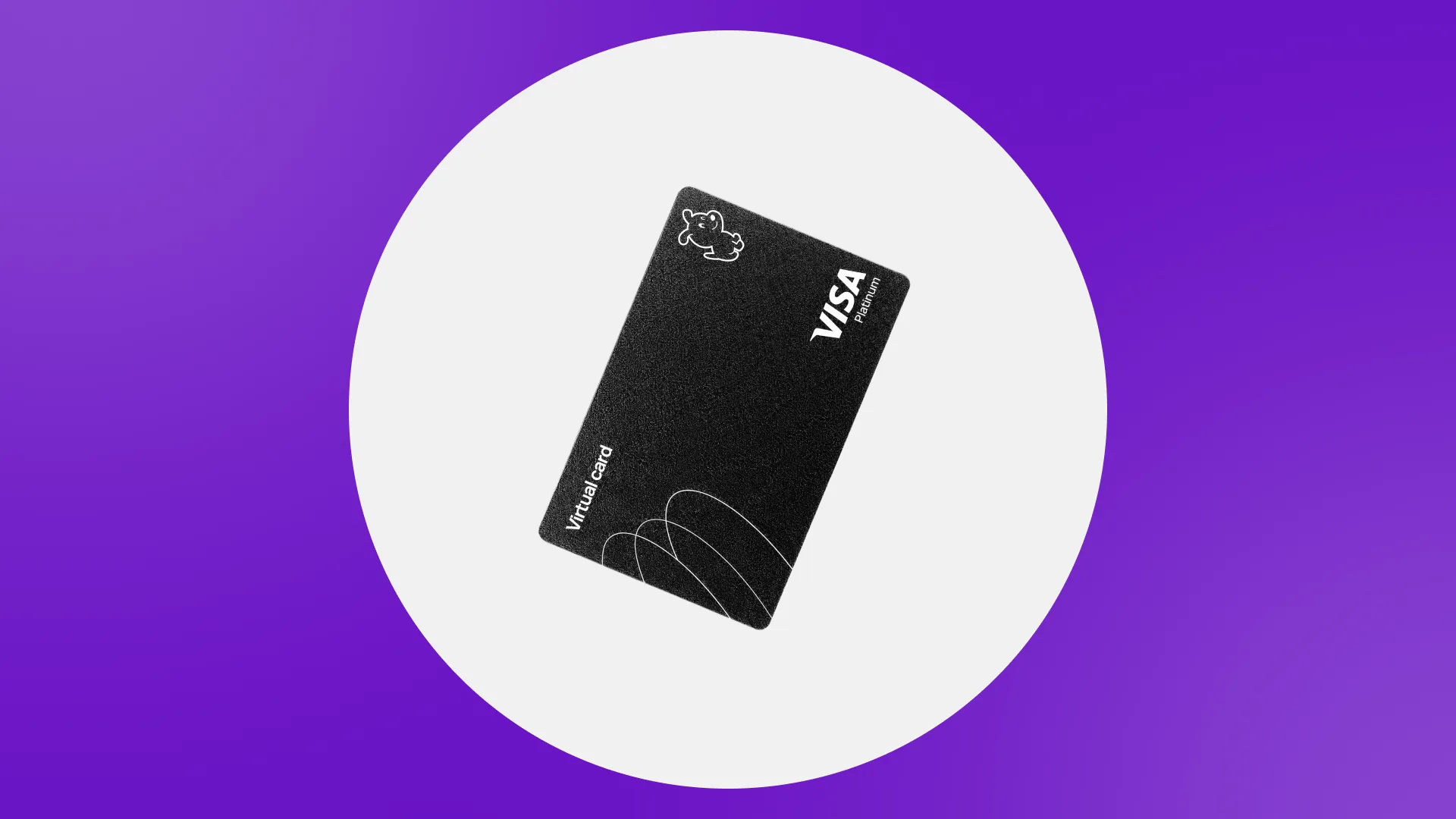
Both virtual and physical cards are available. The virtual card is available immediately upon KYC completion. The optional physical plastic card costs $50; Premium members receive a free metal card. For everyday contactless spending, the virtual card with Apple Pay or Google Pay covers most use cases without waiting for a physical card to ship.
6. KYC & Identity Verification Requirements
KYC (Know Your Customer, identity verification required by financial regulators) is mandatory. You need to go through the simple KYC process in order to get the Cypher card.
Cypher accepts national IDs, passports, and driving licenses for KYC verification. The document must be original, clear, and valid for at least 3 months from the date of submission. Passports and documents in English have a high acceptance rate. A live face verification (liveness check) is also required. KYC is handled by a third-party provider and usually completes within a few hours.
US state restrictions apply: the card is not available in Arizona, Delaware, Georgia, Idaho, Louisiana, Maryland, Missouri, Montana, New Mexico, North Dakota, Ohio, Oregon, Rhode Island, South Dakota, Vermont, Washington, Wisconsin, and Wyoming. It is also not available in 28 countries including China, India, Russia, and others. Full anonymity is not possible on any Visa-rail card, KYC is a legal requirement, not a provider choice.
7. User Experience & App Interface
Cypher offers a dedicated "Cypher Wallet" app available for iOS and Android. The onboarding flow runs from download to first transaction: download the app, create or import a wallet, complete KYC, receive a virtual card, add to Apple Pay or Google Pay, load USDC, and spend.
The Cypher Wallet app has a different feel on each platform. On iOS, it is widely praised for its clean minimalism. The multi-chain dashboard is intuitive, you can see Cosmos ATOMs alongside Solana USDC without switching networks manually. However, recent Android updates (late 2025) have reportedly suffered from stability issues, with some users citing crashes upon biometric login. The team has been active in pushing patches, but the Android experience currently lags behind the polished iOS version.
MyCardCompare rates Cypher Card's app experience as functional with strong multi-chain integration, but the upcoming shutdown limits how much the team can invest in further fixes.
Cypher Card's real differentiator was its 15+ blockchain support, compare how alternatives stack up on chain breadth and fees. View card →
8. Customer Support Quality
User feedback indicates variable support response times (from 18 minutes to 17 hours) and occasional minor app bugs. Support is available via in-app Intercom chat and email at support@cypherd.io. A community presence on Discord and Telegram supplements official channels.
Cypher's customer service scored 8.8/10 on one independent review site, above the 7.4/10 average for crypto cards. The support team has committed to remaining available throughout the wind-down period. That said, with the platform closing September 6, 2026, responsiveness may change as the team transitions to Nium.
9. Cypher Card Sunsetting & Wind-Down: What You Need to Know
Cypher is sunsetting, it has been acquired by Nium and the current platform is winding down. Nium acquired Cypher, a crypto-native non-custodial wallet and card issuing startup backed by Y Combinator and Coinbase Ventures.
Here is the confirmed timeline:
- July 8, 2026: Card loading and new card issuance ended.
- July 16, 2026: Final rewards distribution for eligible users.
- August 7, 2026: Payment cards stop working for purchases.
- September 6, 2026: Platform closes permanently and withdrawals end.
Funds are completely safe and can be withdrawn at any time before September 6, 2026, with no fees. Users should back up their wallet recovery phrase or private keys, download transaction history for records, and withdraw any remaining funds.
The shutdown means both the company's consumer platform and its blockchain protocol will be retired rather than integrated into Nium's products. The focus appears to be on incorporating Cypher's technology into Nium's existing payments infrastructure rather than maintaining its retail wallet business.
10. Who Should (and Shouldn't) Get Cypher Card?
Ideal User Profile
Given the sunsetting, the "ideal user" is now extremely narrow: existing cardholders who still have a loaded balance and want to spend it before August 7, 2026. The self-custody model and 15+ chain support remain genuinely differentiated, no other card covers Cosmos ecosystem chains like Injective and Osmosis.
Who Should Avoid It
- New users: Card loading has ended as of July 8, 2026, new sign-ups cannot fund a card.
- Long-term planners: The platform closes September 6, 2026, this is not a card to build a spending routine around.
- Newcomers to crypto wallets: The non-custodial model requires seed phrase management, losing it means losing access to funds, with no recovery option.
- Users needing strong fiat on-ramp features: Cypher does not offer a bank account or incoming fiat transfers.
11. Cypher Card vs. Competing Crypto Cards
Feature | Cypher Card (Standard) | KAST Card (Standard) | Bybit Card | Gnosis Pay |
|---|---|---|---|---|
Custody Model | Non-custodial | Custodial | Custodial | Non-custodial |
Annual Fee | $0 | $0 | $0 | Varies |
FX Fee | 1.75% | 0.5%–1.75% | Varies | 0% (EEA) |
KYC Required | Yes | Yes | Yes | Yes |
Apple Pay | Yes | Yes | Yes | No |
Status | Sunsetting (Aug 7, 2026) | Active | Active | Active |
All figures verified as of July 2026. The MyCardCompare independent editorial score for each card is available on the respective card pages.
Cypher Card vs. KAST Card
The headline difference is custody: Cypher is non-custodial, meaning they never hold your crypto. KAST uses Fireblocks and BitGo for custody, a custodial model. On fees, KAST's Standard tier charges 0.5%–1.75% FX, comparable to Cypher's 1.75%. KAST offers 1.5% USD cashback on the first $2,000/month of spending but is shutting down its CYPR-style token programme. Cypher's advantage was self-custody and chain breadth; KAST's advantage is active development and broader fiat features.
Cypher Card vs. Trustee Plus & Bybit Card
Both Trustee Plus and Bybit Card are custodial. Trustee Plus is noted for simplicity, while Bybit Card appeals for exchange integration. Neither offers Cypher's self-custody model or multi-chain loading. However, both remain active products, a critical factor given Cypher's shutdown.
Best Non-Custodial Crypto Card Alternatives
For users displaced by Cypher's wind-down, consider:
- Gnosis Pay, Non-custodial, 0% FX in the EEA, on-chain settlement. Available in the EEA only.
- Ether.fi Cash, Non-custodial DeFi card with 2–3% cashback. Limited chain support compared to Cypher but actively maintained.
- Bleap, Self-custodial Mastercard with 0% FX fees and up to 20% cashback. Available in the EEA.
All 3 alternatives can be compared on MyCardCompare alongside Cypher's profile.
12. Final Verdict: Cypher Card Review Summary
MyCardCompare assessment: Cypher Card pioneered the non-custodial crypto card space but is no longer a viable option for new users.
What Cypher Card did well: it offered genuine self-custody with the broadest multi-chain support in the market, the only crypto card in 2026 that combined self-custody with 15+ blockchain networks and 500+ spendable tokens. The $0 annual fee on Standard and Apple Pay/Google Pay integration made it practical for daily use.
What held it back: the 1.75% FX fee on Standard was consistently higher than competitors, support quality was inconsistent, and CYPR token rewards had no guaranteed dollar value (crypto values fluctuate). Ultimately, the Nium acquisition ended the product before it could achieve scale.
Bottom line: Existing cardholders should withdraw balances before September 6, 2026. New users should explore the non-custodial alternatives listed above.
Compare Cypher Card against 200+ crypto cards, updated weekly, to find the right non-custodial alternative. Compare cards →
Frequently Asked Questions (FAQ)
What are the Cypher Card fees?
The Standard plan charges $0 annual fee, a 1.75% FX markup on non-USD purchases, a 0.5% USDC load fee, and a 1% load fee for other tokens. ATM withdrawals cost 3%. The Premium plan costs $199/year and reduces FX to 0.75%, USDC loading to 0% on 8 chains, and ATM fees to 2%.
Is Cypher Card shutting down in 2026?
Yes. Cypher has been acquired by Nium and the current platform is winding down. Payment cards stop working for purchases on August 7, 2026. The platform closes permanently and withdrawals end on September 6, 2026. Existing users should withdraw all funds before September 6.
Does Cypher Card require KYC?
Yes, KYC is required to get the Cypher card. Cypher accepts national IDs, passports, and driving licenses for verification. A liveness check (selfie or short video) is also required. The process typically completes within a few hours.
Does Cypher Card support Apple Pay?
Yes, Cypher supports both Apple Pay and Google Pay. Both the Standard and Premium plans include Apple Pay and Google Pay support. The virtual card can be added to mobile wallets immediately after KYC approval.
What are the best Cypher Card alternatives?
Three non-custodial alternatives stand out: Gnosis Pay (0% FX, EEA), Ether.fi Cash (2–3% cashback, DeFi-native), and Bleap (0% FX, up to 20% cashback, EEA). For custodial options with broader availability, KAST Card ($0 Standard, 170+ countries) is active and growing. Compare all options on MyCardCompare's crypto cards page.
What assets does Cypher Card support?
Cypher supports conversion from 500+ tokens across 25+ blockchains. Key assets include BTC, ETH, USDC, USDT, SOL, MATIC, ATOM, and DAI. Supported chains include Ethereum, Polygon, Arbitrum, Optimism, Base, Solana, Avalanche, BSC, Cosmos, Injective, Osmosis, and others. USDC receives the lowest load fees across all tiers.
Conclusion
Cypher Card was a genuinely pioneering product, one of the first to combine non-custodial asset control with 15+ chain support and practical Visa spending. The $0 annual fee and Apple Pay/Google Pay integration made it accessible, and the self-custody ethos resonated strongly in a post-FTX landscape.
The Nium acquisition changes everything. With card functionality ending August 7, 2026, and the platform shutting down September 6, 2026, this is not a card to sign up for today. Existing users should act now: back up seed phrases, download transaction records, and withdraw all remaining balances.
For readers seeking the same self-custody principles in an active product, compare non-custodial crypto cards on MyCardCompare to find the right fit, updated weekly with verified fees and independent editorial scores.
This article is comparative information only. MyCardCompare is not a bank, card issuer, or financial advisor. Card availability, fees, and features can change, always verify directly with the issuer before applying. Crypto-denominated rewards fluctuate in value.