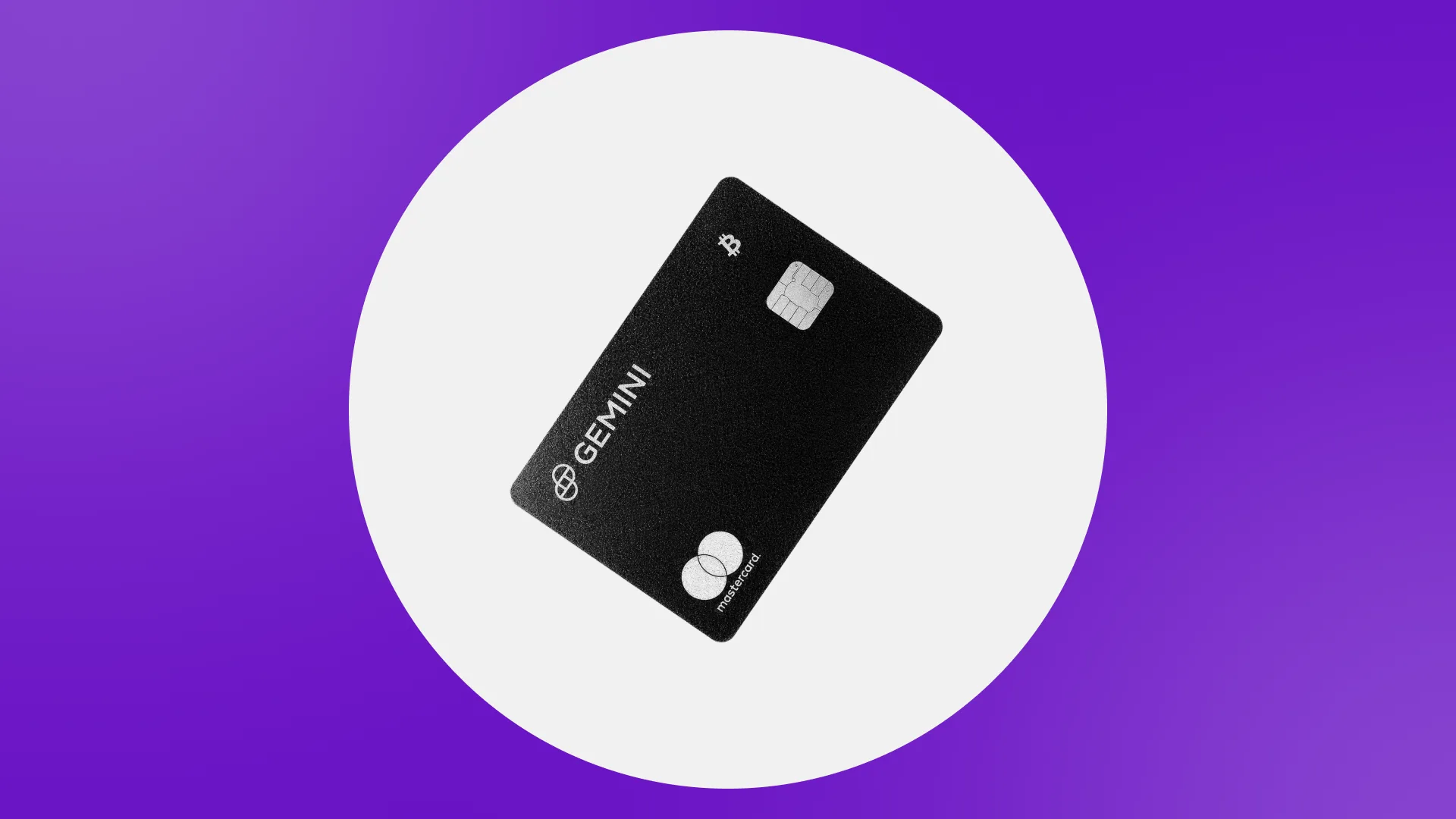


1. How Crypto Cards Work: Converting Digital Assets to Everyday Spending
The Basic Mechanics of a Crypto-to-Fiat Card
A crypto card links to your account at an exchange or wallet provider and lets you spend at any merchant that accepts Visa or Mastercard. The concept is straightforward: link your digital assets to a Visa or Mastercard network, spend anywhere that accepts them, and let the issuer handle the conversion in the background.
There are two funding models. A conversion-at-checkout card sells your crypto to fiat at the moment of purchase, for example, when you use crypto, Coinbase converts that asset to fiat at the moment of purchase and completes the transaction over Visa. A prepaid card, by contrast, draws from a fiat or crypto balance you have already loaded. The distinction matters for both fees and taxes, as covered below.
Crypto Debit Cards vs. Crypto Credit Cards
Debit and prepaid cards spend from an existing balance and convert instantly. Credit cards let you spend now and repay in fiat later, while paying rewards in crypto, the model used by Gemini and, more recently, Coinbase's credit product. The practical difference is significant for holders: a credit card does not force you to sell crypto to make a purchase, so it avoids a taxable disposal on every swipe.
For a frequent spender who wants to offload crypto into daily life, a debit or prepaid card is the natural fit. For a long-term holder ("HODLer") who wants rewards without selling, a crypto credit card is usually the better structure. US and Canadian residents face different menus here, several credit-card options are US-only, while Canada leans on prepaid Visa products.
Are Crypto Cards Safe to Use?
Cards on the Visa and Mastercard networks carry the same fraud protections and zero-liability policies as any other card. Custody and regulation vary by issuer, so availability is gated by licensing in each state and province. The larger practical risks are tax and volatility, not the payment rail itself.
Tax is the real complication in North America. In the US, spending appreciated crypto is a taxable disposal event on each transaction. In Canada, CRA treats crypto as a commodity; every card swipe where you spend appreciated crypto is a taxable disposition. Both are covered in detail in Section 8.
2. What to Look for Before Choosing a Crypto Card
Key Evaluation Criteria
Weigh these factors before applying:
- Reward rate and payout asset, whether cashback is paid in a native token (CRO, NEXO) or your choice of coin, and whether it is a stable headline number or a variable, capped rate.
- Staking or subscription requirements, some cards gate higher rates behind large token lock-ups or monthly fees.
- Annual, monthly, and foreign transaction fees, plus the less visible conversion spread on crypto-to-fiat.
- ATM limits and charges, free monthly allowances differ sharply by card and tier.
- Geographic availability, US-only, Canada-only, or both, with state and province restrictions.
- Supported assets and app quality, how many coins you can spend and earn, and the standard of customer support.
North America-Specific Considerations
State-level licensing shapes what you can actually get. New York is the most common exclusion, both the Visa Signature credit card and the prepaid Visa are available across 49 states and Washington, D.C., but not in New York, where Crypto.com holds no NYDFS BitLicense.
In Canada, provincial securities regulators add another layer. Ontario residents: Bybit Card is restricted by the OSC, do not use. Expect full KYC (identity verification) everywhere: US residents typically need an SSN or ITIN, and Canadian residents may need a SIN plus proof of address.
3. Best Crypto Cards in North America: Top Picks Reviewed
The picks below are grouped by who each card suits, then filtered strictly by confirmed North American availability. Cards that are popular globally but unavailable to US or Canadian residents are covered separately in Section 3.7. Live independent ratings for each card are on its MyCardCompare page.
3.1 Coinbase Card: Best for Coinbase Users in the USA
The Coinbase Card is a Visa debit card tied to your Coinbase balance. Coinbase's debit card spends directly from your Coinbase balance. You can pay with cash in USD, with USD Coin (USDC), or with a supported cryptocurrency. When you use crypto, Coinbase converts that asset to fiat at the moment of purchase and completes the transaction over Visa.
- Availability: Available in U.S. and most of EU/EEA, which is broader than several competitors.
- Rewards: Coinbase advertises rewards "up to 4%" depending on the asset selected as the rewards token. The honest read: this is not a flat 4%. You select one asset at a time, and the headline rate only applies to whichever asset Coinbase is promoting that quarter.
- Fees: No annual or monthly fee, but crypto spend incurs a conversion spread. Note the conflicting reporting on foreign use, one 2026 source reports $0 annual/monthly fee + $0 Coinbase fee for card spend/ATM (incl. international); ATM operator fees may apply and crypto spend incurs Coinbase spread via conversion to USD, while another cites a 2.49% foreign transaction line. Confirm the current schedule on the card page before relying on it abroad.
- Limits: Daily spend cap: $2,500/24h; ATM cash withdrawal cap: $1,000/24h.
- Setup: Virtual card available immediately; physical card delivery typically 2–3 weeks.
Who it suits: Existing Coinbase users who want a no-staking, no-fee entry card. The limitation: the conversion spread and variable reward rate erode the headline number, and spending volatile crypto triggers a taxable event each swipe.
3.2 Coinbase One Card: Best Crypto Credit Card for Coinbase Loyalists
Separately from the debit card, Coinbase now offers a credit card. The Coinbase One Card is a real credit card, not a debit or prepaid card. It runs on the American Express network and is issued by First Electronic Bank through a company called Cardless. You use it like any other credit card, and your rewards land as Bitcoin in your Coinbase account instead of cash or points.
The Coinbase One Card is an AmEx-network credit card for U.S. users that earns 2–4% back in Bitcoin on everyday purchases with no annual or foreign transaction fees. The catch is the membership: the card itself has no annual fee and no foreign transaction fee. However, you must hold a paid Coinbase One membership to get and keep the card, which costs about $4.99 a month or $49.99 a year as of July 2026. The reward rate is tiered by holdings, the Bitcoin back rate is tiered at 2%, 2.5%, 3%, and 4%. Your rate depends on how much crypto you hold on Coinbase, called your Assets on Coinbase, at the moment you make a purchase.
Who it suits: US Coinbase power users who already pay for Coinbase One and want crypto rewards without selling crypto. The limitation: factor the membership cost into your rewards math, and it is US-only.
3.3 Crypto.com Visa Card: Best Tiered Rewards Program
Crypto.com is really two cards under one brand, and the distinction is everything for North American readers. The flagship is a Comenity Capital Bank credit card paying 1.5%–6% in BTC or CRO on a credit line. The secondary product is a Community Federal Savings Bank prepaid card paying 0%–5% in CRO from a preloaded balance, with rewards gated by a 12-month CRO stake. They differ in issuer, funding model, rewards, and availability. Both US products, the Signature credit card and the prepaid card, run on the Visa network. Neither is issued on Mastercard.
On the prepaid card, the tiers under the current "Level Up" structure are steep. The prepaid card pays 0% at its free tier and 2%–5% only after a 12-month CRO stake of $500 to $500,000. The credit card is friendlier at the entry point: the credit card pays 1.5% at its free tier, rising to 3.5% ($4.99 a month or $500 CRO staked), 4.5% ($29.99 a month or $5,000 CRO), 5% ($50,000 CRO), and 6% ($500,000 CRO).
- Availability: The credit card is US-only, while the prepaid card also serves the UK, most of the EEA, Switzerland, Canada, Australia, Singapore, and Brazil. Neither is available in New York.
- Fees: No annual fee; on the prepaid card, ATM withdrawals and top-ups carry charges by region and tier, and foreign transaction fees may apply by tier (e.g., US: 3% for some tiers; none for higher tiers).
- Perks: Higher tiers add streaming rebates and airport lounge access. Higher tiers lift CRO cashback toward 8% and add perks such as Netflix and Spotify rebates.
Who it suits: In the US, the credit card's free 1.5% tier is the sensible entry point; the prepaid card only rewards heavy CRO holders. The limitation: rewards paid in CRO carry token-price risk, and the top tiers require large, locked stakes.
3.4 Gemini Credit Card: Best Crypto Credit Card in the USA
The Gemini Credit Card is the most accessible crypto rewards card for traditional US credit-card users. The Gemini Credit Card is a WebBank-issued World Elite Mastercard that earns crypto rewards on everyday purchases.
- Rewards: Cardholders can earn 4% back in crypto on gas, 3% on dining, 2% on groceries, and 1% on all other purchases. The top rate is capped: top reward rate up to 4% back on gas, EV charging, transit, taxis, and rideshare; capped monthly, then falling to 1%.
- Payout asset: Reward currency: 50+ cryptocurrencies; choose in app and switch anytime; examples include BTC, ETH, SOL, XRP. Rewards post in real time.
- Fees and access: No annual fee, no foreign transaction fees, and instant rewards on everyday spending. What sets it apart is the absence of lock-up: the combination of no staking requirement and no subscription to reach the top rate separates Gemini from most competitors that gate higher earnings behind a token lock-up.
- Availability: US only.
Who it suits: US residents who want crypto rewards without spending crypto or locking up capital. The limitation: the 4% category is capped monthly, rewards land in a volatile asset unless you choose a stablecoin, and it is a true credit card subject to approval and APR if you carry a balance.
3.5 Crypto.com Card in Canada: Primary Option for Canadian Residents
For Canadians, the Crypto.com prepaid Visa is the most established option, issued locally through Digital Commerce Bank. The tier economics mirror the US prepaid card but are priced in Canadian terms, for example, Midnight Blue: no fee, no cash back. Ruby Steel: $6.99 a month/$69.90 per year or a 12-month CRO stake of $650. Rewards are paid in CRO to your app wallet, and the card can be topped up with more than 100 types of crypto, but each one will have to be sold and converted to Canadian dollars first.
Premium tiers reach high headline rates but demand serious stakes: though it is extremely expensive, with the cardholder having to stake $65,000 to reach its benefit tier, the earnings of 15% on travel spending and 4% on everyday spending can't be ignored.
Who it suits: Canadian crypto users who already hold CRO and want cashback on daily spending. The limitation: meaningful rewards require CRO staking or a subscription, and the reward token's price sets your real return.
3.6 Shakepay Card: Best Bitcoin Card for Canadians
Shakepay is the one card on this list built specifically for the Canadian market. Shakepay Card is a Visa prepaid card offering up to 4% Bitcoin cashback on every purchase, exclusively for Canadian users. Enjoy 0% FX fees, free issuance, and integration with Interac e-Transfer.
The base structure is modest but clean: earn up to 1.5% in bitcoin cashback on every purchase, settled automatically to the bitcoin balance in your Shakepay account. Promotional windows lift it higher, Base earns 1% BTC, Blue earns 1.5%, and a 2% promotional boost can stack during eligible campaign windows, taking the max to 4%.
- Fees and limits: FX is 0%, issuance and annual fees are zero, daily spend cap is CAD 5,000, ATM is CAD 1,000/day.
- Availability: Available to all Shakepay customers in all 13 provinces and territories.
Who it suits: Canadians who already use Shakepay for fiat-to-BTC and want simple Bitcoin rewards with zero fees. The limitation: rewards are Bitcoin-only, it is prepaid rather than credit, and it is unusable outside Canada.
3.7 Popular Cards Not Currently Available in North America
Two cards dominate global "best crypto card" lists but are off the table for US and Canadian residents in 2026, an important accuracy point:
- Nexo Card: Only available in selected European markets; not supported in the U.S. Nexo formally exited the US market in February 2024 after a $45M settlement with the SEC and 17 state regulators over the Earn Interest Product. Its dual credit/debit model and up to 2% cashback in BTC or NEXO tokens are genuinely useful, but only for EEA and UK residents.
- Bybit Card: Bybit Card is a Mastercard debit card available in EEA, Switzerland, Australia, and a handful of other regional programs. North America is excluded, the United States is an excluded jurisdiction for Bybit services, so no US state has access to the card. Excluded jurisdictions also include Chinese Mainland, Hong Kong, Singapore, Canada, and sanctioned countries.
Honorable mentions that are US-based: the Fold Card, a Bitcoin-rewards Visa debit card for US users (confirm current reward mechanics on its page before applying), and the long-standing BitPay prepaid card for loading BTC, ETH, and stablecoins with no rewards. For historical context, the BlockFi Rewards Visa was discontinued in 2023, a reminder that crypto card programs can and do close.
Reviewing the two broadest US options? See the Coinbase Card's full fee schedule and live rating. View card →
4. Crypto Card Fees Breakdown: What You'll Actually Pay
Annual and Monthly Fees
The headline cards, Coinbase Card, Coinbase One Card, Gemini, Crypto.com (base tier), and Shakepay, all carry no annual card fee. The costs hide elsewhere. Crypto.com's paid tiers replace a stake with a monthly subscription ($4.99–$29.99), and the Coinbase One Card requires the $49.99/year membership to exist at all.
Conversion and Spread Fees
The most overlooked cost is the spread, the gap between the exchange's crypto price and the interbank rate. On the Coinbase Card, domestic purchases carry no explicit card fee, but the underlying crypto sale incurs a Coinbase spread (typically ~0.5% on stablecoins, more on volatile assets). To estimate true cost per transaction, add the spread to any FX fee. Funding with a stablecoin like USDC minimizes the spread and, in the US, avoids the capital-gains complication of spending volatile assets.
ATM Withdrawal Fees
ATM allowances differ sharply. On the Coinbase Card, the ATM cash withdrawal cap is $1,000/24h. On the Crypto.com prepaid card, free monthly allowances scale with tier, and ATM charges run 2% above the monthly free allowance (EU/US). The base Crypto.com tier historically includes a modest free ATM allowance, rising with each tier; confirm the exact monthly cap for your tier and region. Out-of-network and international ATM operator surcharges apply on top.
Foreign Transaction Fees
The Gemini Credit Card and Coinbase One Card charge 0% FX, which makes them strong travel companions among crypto cards. The Coinbase debit card's foreign treatment is reported inconsistently across sources, verify before travel. On Crypto.com's prepaid card, FX depends on tier: some US tiers carry a 3% foreign fee while higher tiers waive it. Shakepay's Canadian card charges 0% FX.
Inactivity and Top-Up Fees
Some prepaid programs apply top-up fees by funding method, Crypto.com's US prepaid top-ups, for example, differ by source (debit, credit, or PayPal). Always check whether loading from an external wallet triggers a deposit fee, and whether a dormant account incurs an inactivity charge.
5. Crypto Card Rewards and Cashback Programs Compared
How Crypto Cashback Is Calculated and Paid Out
Payout timing and asset choice vary. Gemini and Coinbase One deposit rewards close to real time, with Gemini letting you pick from 50+ coins. Crypto.com pays in CRO, and Shakepay pays only in Bitcoin. The trade-off is volatility: a reward paid in a native token is only worth what that token is worth when you convert it. Choosing a stablecoin as your reward asset (where the card allows) removes most of that risk.
Staking Requirements and Tier Systems
This is where headline rates and real rates diverge most. Almost every headline number comes with conditions: staking large amounts of a native token for 12 months, reaching specific trading volume thresholds, or being locked out entirely based on where you live. Before committing to a stake, weigh the opportunity cost, staked CRO is returned at the end of the lockup, so weigh that opportunity cost against the rewards. A large lock-up in a volatile token can lose more value than the extra cashback earns.
Additional Perks Beyond Cashback
Higher Crypto.com tiers add Priority Pass airport lounge access and streaming rebates for services like Netflix and Spotify. The Gemini Credit Card, as a World Elite Mastercard, carries the network's purchase and travel protections. Coinbase's credit card, on the American Express network, includes standard Amex benefits. For most users, the practical value ceiling on the tiered cards sits at the mid-tier, the Jade Green/Royal Indigo tier (3% cashback plus Priority Pass lounge access) represents the practical value ceiling for most users.
Rewards Rate Comparison Table
All figures verified in 2026. Availability is stated precisely; rates in native tokens fluctuate with crypto prices.
Card | Everyday reward | Top reward (conditions) | Reward asset | Annual fee | FX fee | North America availability |
|---|---|---|---|---|---|---|
Coinbase Card (Visa debit) | Variable, up to 4% on a rotating asset | Up to 4% on promoted asset | Choice of crypto | $0 | Reported 0%–2.49%¹ | US + most EU/EEA |
Coinbase One Card (Amex credit) | 2% BTC | Up to 4% (by assets held) | BTC | $0 (membership $49.99/yr) | 0% | US only |
Crypto.com Visa Signature (credit) | 1.5% | Up to 6% ($500K CRO or $29.99/mo) | BTC or CRO | $0 | Varies by tier | US only (49 states, not NY) |
Crypto.com Visa (prepaid) | 0% (free tier) | 2%–5%+ (12-mo CRO stake) | CRO | $0 (paid tiers $4.99–$29.99/mo) | 0%–3% by tier | US (not NY), Canada, others |
Gemini Credit Card | 1% base | 4% gas/transit (capped), 3% dining, 2% groceries | 50+ coins, choice | $0 | 0% | US only |
Shakepay Card (Canada) | 1%–1.5% BTC | Up to 4% (promo windows) | BTC only | $0 | 0% | Canada only (all provinces) |
¹ Coinbase debit foreign-use fees are reported inconsistently across 2026 sources; confirm the current cardholder agreement before spending abroad.
6. Geographic Availability: USA vs. Canada Breakdown
Best Crypto Cards Available in the USA
US residents have the widest menu of credit-style crypto cards: the Gemini Credit Card, Coinbase Card and Coinbase One Card, and Crypto.com's Visa Signature credit card plus its prepaid Visa. The recurring restriction is New York, anyone unwilling to hold CRO, and anyone in New York, is out entirely for Crypto.com. Expect to provide an SSN or ITIN for KYC on any of these.
Best Crypto Cards Available in Canada
Canada has no single dominant credit-card product, so the field leans on prepaid and stablecoin-funded options. Shakepay is the home-market leader, and Crypto.com's prepaid Visa serves Canada through a local issuer. Notably, the Gemini exchange offers a U.S.-focused Mastercard, it and the Coinbase Card are US-only. On the tax side, CRA treats crypto as a commodity; every card swipe where you spend appreciated crypto is a taxable disposition, and stablecoin-funded cards simplify reporting significantly.
Cross-Border Use Cases
A US-issued card works at Canadian Visa or Mastercard terminals and vice versa, but FX handling is the swing factor. Cards with 0% FX in the card's settlement currency, Gemini, Coinbase One, Shakepay in CAD, minimize cross-border cost, while prepaid cards that add a percentage FrX fee on non-domestic transactions become expensive for frequent travelers. A snowbird spending across the border should prioritize a 0%-FX card and, where possible, fund with a stablecoin to keep the tax record simple.
7. How to Apply for a Crypto Card: Step-by-Step
General Application Process
- Choose the right card for your spending habits, crypto holdings, and country, using the criteria in Section 2.
- Create or log into your platform account at the issuing exchange or wallet provider.
- Complete KYC: government ID, a selfie, and proof of address. Approval hinges on identity verification and, for staked tiers, your stake, not a credit check on prepaid products.
- Fund your account and, if the tier requires it, stake the platform token or start a subscription.
- Order the card. Virtual cards are usually issued instantly; physical cards typically ship in 1–3 weeks. On Crypto.com's prepaid product, once the tier is active, the virtual card is created instantly and a physical card ships to your verified address.
- Activate, set a PIN, and link your preferred spending wallet or reward asset; add the card to Apple Pay or Google Pay if supported.
Tips to Get Approved Quickly
Keep your KYC documents current and matching your registered address, mismatches are the most common cause of delays. US residents should have an SSN or ITIN ready; Canadian residents may need a SIN. A practical tip: do not deposit large amounts before card approval. If KYC is delayed or rejected, withdrawal back out can take 7-14 days. Test with a small deposit first. Approval is never guaranteed for any card, and credit products involve a separate underwriting decision.
8. Tax Implications of Using a Crypto Card in North America
USA: IRS Treatment of Crypto Card Spending
In the US, spending volatile crypto is a disposal. Spending non-stablecoins triggers a U.S. taxable event each swipe. Whether the resulting gain is short- or long-term depends on how long you held the asset. This is why cost-basis tracking tools (Koinly, CoinTracker, TaxBit) become essential for anyone using a conversion-at-checkout debit card heavily.
Crypto credit cards sidestep the per-swipe problem entirely: because you spend a fiat credit line and repay in fiat, no crypto is sold at the point of sale. The Gemini, Coinbase One, and Crypto.com Signature credit cards all work this way. Note separately that crypto rewards are generally treated as ordinary income at their fair market value when received, with a new cost basis set at that moment.
Canada: CRA Treatment
Canada's rules parallel the US on disposals. The CRA treats crypto as a commodity, so each purchase funded by appreciated crypto is a taxable disposition that must be tracked. Depending on activity level, gains are classified as capital gains, historically taxed on a 50% inclusion basis, or as business income, which is fully taxable. Note that inclusion-rate rules have been the subject of proposed changes; confirm the current treatment with a Canadian tax professional, as this guide is comparative information, not tax advice.
Stablecoin Card Spending: A Tax Simplification Strategy
Pre-converting volatile crypto to a stablecoin such as USDC or USDT before spending locks in any gain or loss at the conversion, so subsequent card spending produces little or no further taxable movement. Several cards let you fund directly from a USDC balance, and stablecoin-funded cards simplify reporting significantly. For high-frequency card users in both countries, this is the single most effective way to reduce record-keeping burden.
Ready to narrow it down? Compare the crypto cards available in your country by fee, reward rate, and current rating. Compare cards →
FAQ: Crypto Cards in North America: Common Questions Answered
What is the best crypto debit card in the USA in 2026?
For no-staking simplicity, the Coinbase Card lets you spend directly from your Coinbase balance with up to 4% back on a rotating asset and no annual fee. For the best structured rewards without spending crypto, the Gemini Credit Card pays up to 4% on gas and transit, 3% on dining, and 2% on groceries in your choice of 50+ coins. The debit card suits Coinbase users who want to offload crypto; the Gemini credit card suits anyone who wants crypto rewards while keeping their holdings intact.
Does the Crypto.com card work in Canada?
Yes. The prepaid card serves the UK, most of the EEA, Switzerland, Canada, Australia, Singapore, and Brazil. Canadian tiers are priced locally, for instance, Ruby Steel costs $6.99 a month/$69.90 per year or a 12-month CRO stake of $650, and rewards are paid in CRO. The base tier is free but earns nothing, so meaningful cashback requires a CRO stake or subscription.
Are there any no-fee crypto cards, and where do fees hide?
Several cards carry no annual fee, the Coinbase Card, Gemini Credit Card, Shakepay Card, and Crypto.com's base tier. The real costs hide in the conversion spread and FX. On Coinbase, the underlying crypto sale incurs a Coinbase spread, typically ~0.5% on stablecoins, more on volatile assets. Prepaid cards can also add ATM and top-up fees. Funding with a stablecoin is the simplest way to minimize the spread.
How does crypto cashback work, and is it taxable?
Cashback is paid either in a native token (CRO on Crypto.com, BTC on Shakepay) or in your choice of coin (Gemini, Coinbase). Some cards pay instantly, others monthly. In the US, crypto rewards are generally treated as ordinary income at fair market value when received, and Canada's CRA applies comparable income treatment. Rewards paid in volatile tokens can rise or fall in value after you receive them.
Can I use a crypto card at ATMs, and what are the limits?
Debit and prepaid cards support ATM withdrawals; a credit card like Gemini does not. On the Coinbase Card, the ATM cash withdrawal cap is $1,000/24h. Crypto.com's prepaid card offers a free monthly ATM allowance that scales by tier, with ATM charges of 2% above the monthly free allowance. International ATM operator surcharges apply on top of any card fee.
What makes the Gemini Credit Card different from other crypto cards?
It is a true credit card, you borrow, repay in fiat, and earn crypto back, so no crypto is sold at checkout and no per-swipe taxable disposal occurs. The combination of no staking requirement and no subscription to reach the top rate separates Gemini from most competitors that gate higher earnings behind a token lock-up. Rewards post in real time in your choice of 50+ coins, with no annual or FX fee. The main constraint is that it is US-only and, as a credit card, subject to approval.
Conclusion: Which Crypto Card Is Right for You?
Quick decision framework:
- US beginner, no staking desired → Coinbase Card (debit) or Gemini Credit Card, both no annual fee and no lock-up.
- US Coinbase power user → Coinbase One Card, if you already pay for Coinbase One.
- Moderate US investor willing to stake or subscribe → Crypto.com Visa Signature credit card, starting at 1.5% free and scaling with a stake.
- Long-term holder who won't sell → a crypto credit card (Gemini or Coinbase One) that avoids per-swipe disposals.
- Canadian resident → Shakepay for zero-fee Bitcoin rewards, or the Crypto.com prepaid Visa if you hold CRO.
- EEA/UK reader → Nexo or Bybit, neither of which is available in North America.
There is no single "best" crypto card, the right choice depends on your country, your holdings, and whether you value simplicity, tiered rewards, or credit-line flexibility. The reward values on token-based cards move with crypto prices, so treat headline rates as ceilings, not guarantees. To see current fees, verified reward rates, and each card's live independent rating side by side, compare the full field on the crypto cards category page.