


1. What Is Tria and How Does It Work?
Tria is a self-custodial crypto neobank built on account abstraction, with a Visa card as its spending layer. The Tria Card is a Visa prepaid card issued by Nimbus, LLC that lets you spend cryptocurrency at over 130 million merchants worldwide; the card is developed by Threely Dimensions Inc. and its defining feature is genuine self-custody, your crypto sits in a TSS (Threshold Signature Scheme) wallet, not a Tria-controlled custodial account.
In plain language: you keep control of your keys, and Tria never parks your money on its platform. Your crypto stays in your own wallet until the exact moment you pay, when the card converts what's needed and settles the transaction in local currency at the merchant, the card is just a spending interface; it never takes custody of your money.
On the back end, Tria leverages intent-based routing (BestPath AVS) and account abstraction for multi-chain spending, and supports 1,000+ tokens across 200+ chains. A key distinction worth flagging: the TRIA token used for rewards is a separate product from the card itself.
2. Tria Card Tiers Compared: Virtual, Signature, and Premium
Tria uses a three-tier structure. Importantly, Tria offers three card tiers, all with one-time fees and no recurring monthly charges, the differences come down to cashback rate, card format, and a few perks.
Virtual Card (Entry Level)
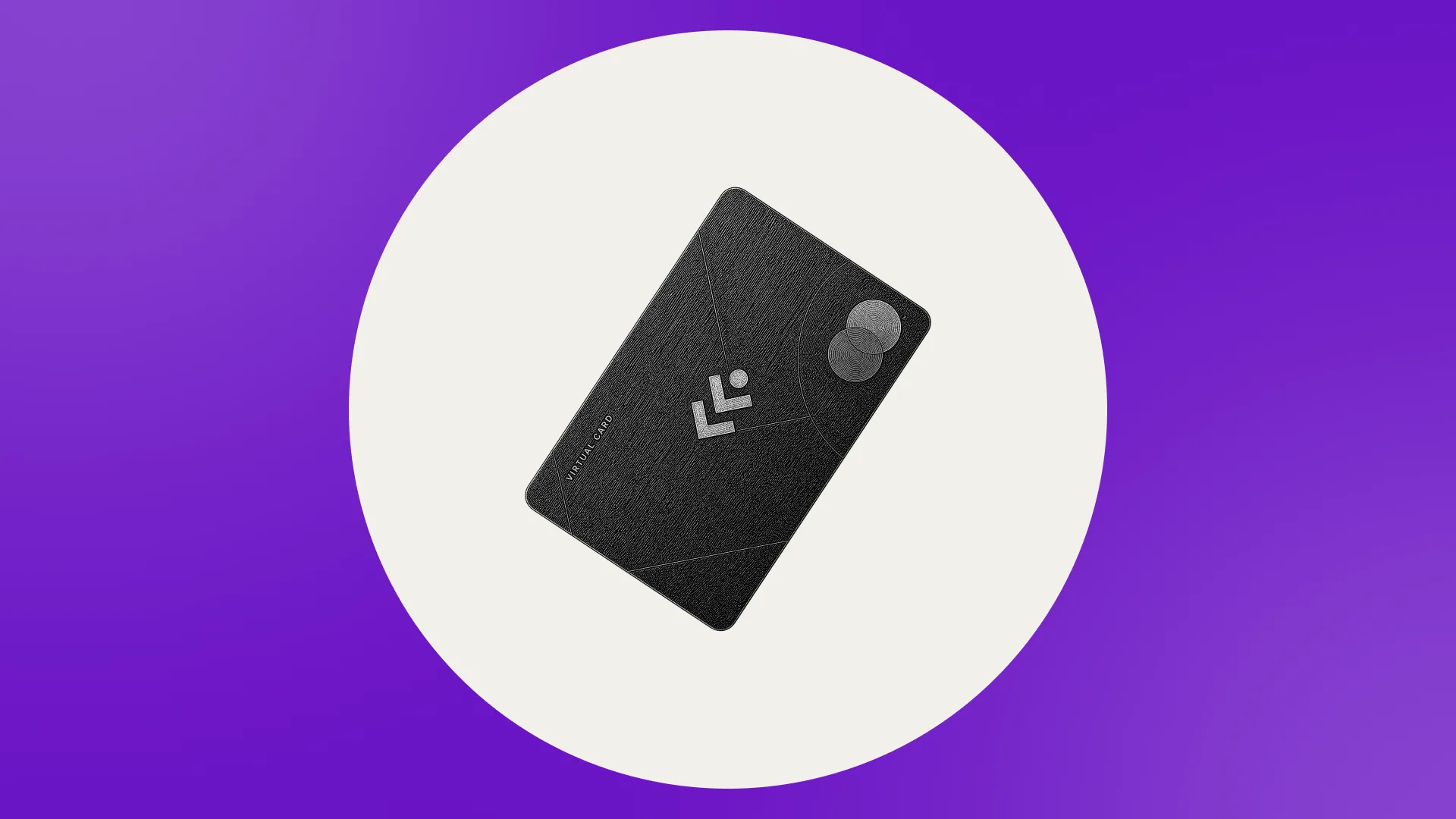
The digital-only entry tier is aimed at users who want to start immediately. The Tria Virtual Card is a $25/year self-custodial Visa debit card offering 1.5% base cashback, 0% FX fee, 0% deposit fees, instant virtual issuance, and Apple Pay and Google Pay support. The trade-off is the lowest cashback rate and no physical card.
Tria Signature Card
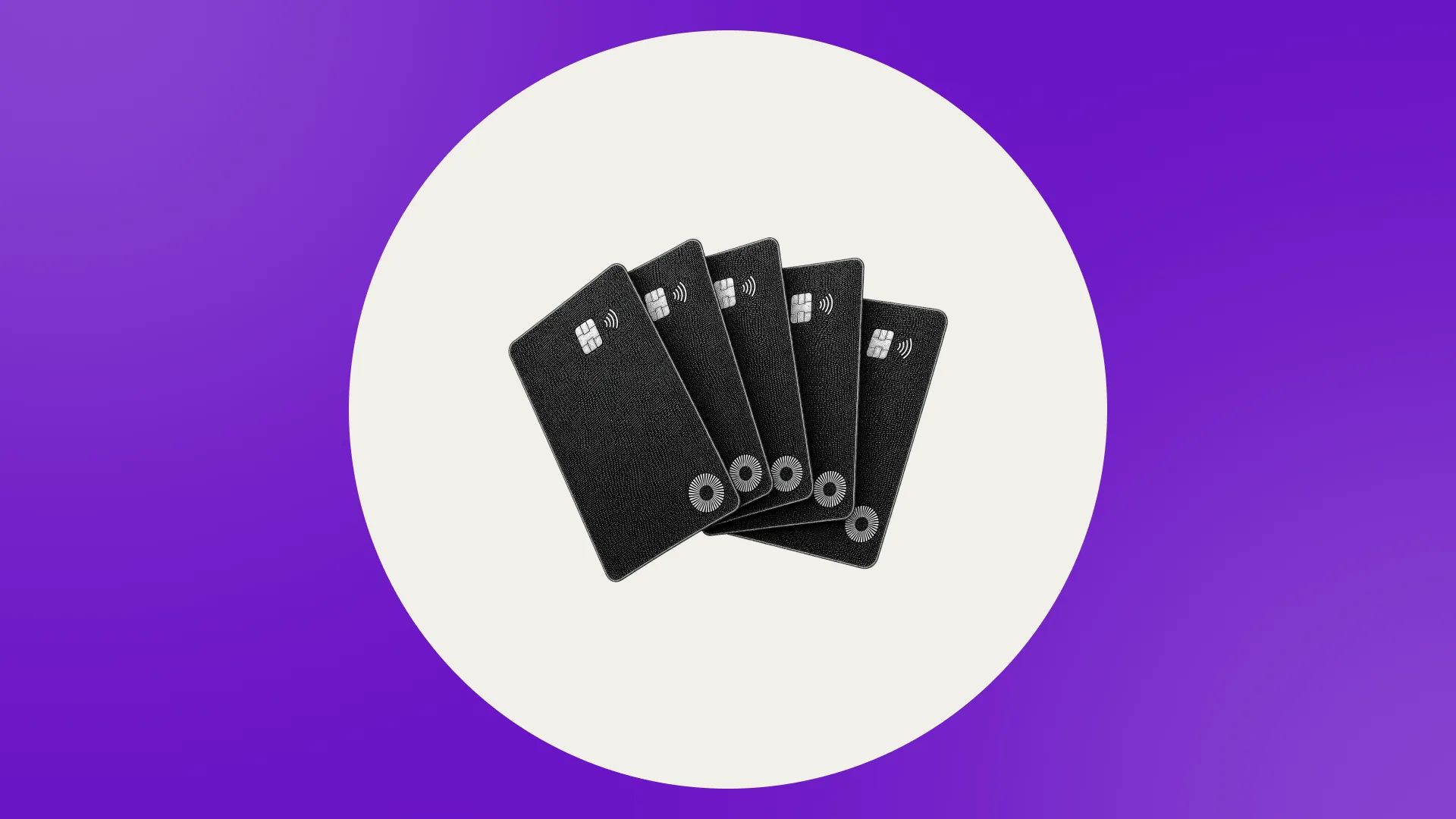
The mid-tier steps up cashback and adds a physical card. Reported terms are a $109 one-time fee with 4.5% headline cashback. At $109/year, the 15% APY on self-custodial assets can cover the fee at modest balances, and the 4.5% cashback applies to the first $1,000 of monthly spend (1% above that).
Tria Premium Card
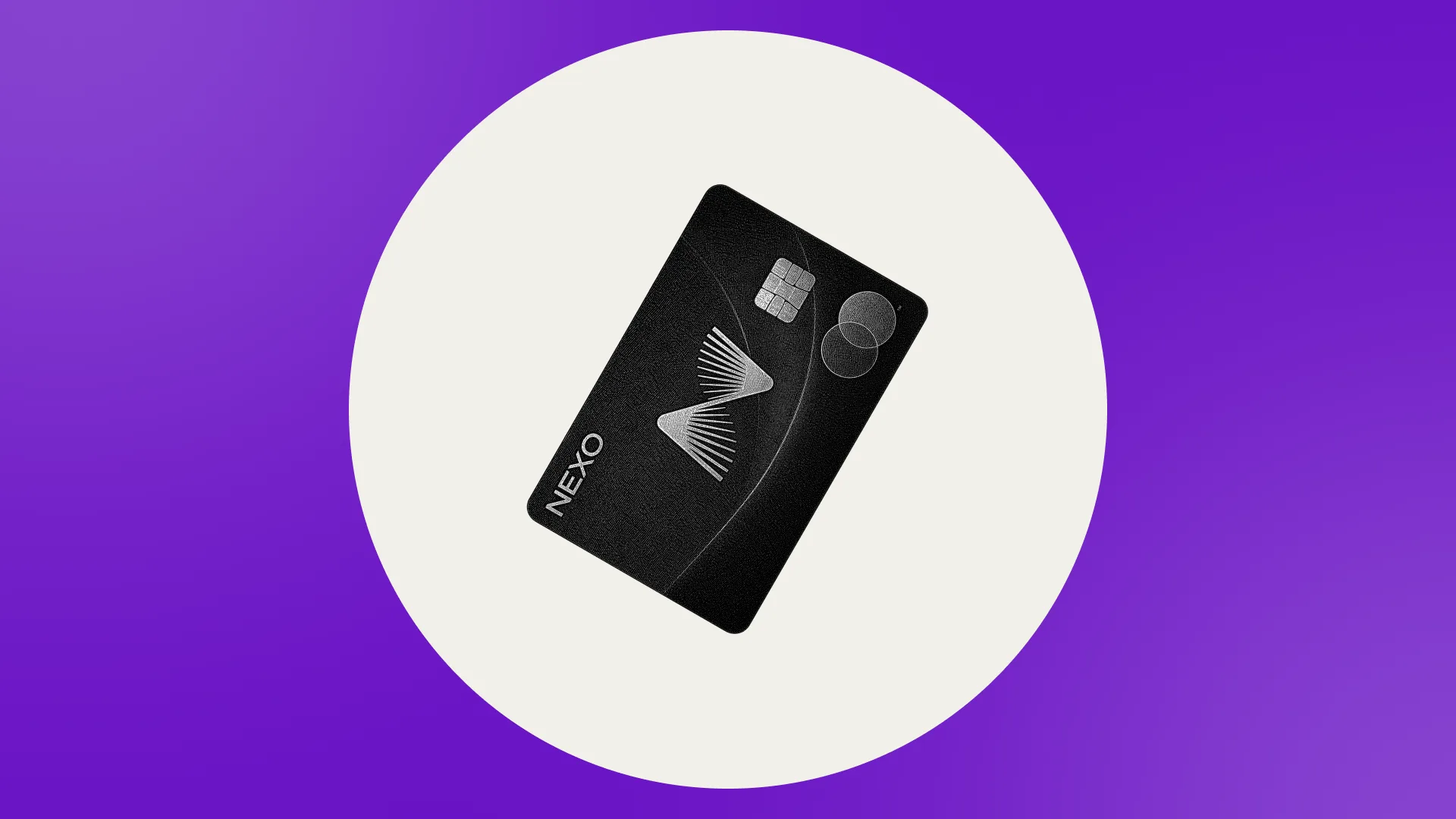
The top tier carries the highest rate and metal-card format. The Tria Premium Card carries the highest base cashback rate of any self-custodial card, though the 6% now applies to the first $2,000 of monthly spend (1% above that). Combined with zero global ATM fees, the $250 fee is easiest to justify for moderate spenders who travel and want DeFi self-custody in one product.
Tier | One-time fee¹ | Headline cashback | Monthly cap (Season 3) | FX fee | Daily limit |
|---|---|---|---|---|---|
Virtual | $25 | 1.5% | N/A | 0% | up to $1,000,000² |
Signature | $109 | 4.5% | first $1,000/mo | 0% | up to $1,000,000 |
Premium | $250 | 6% | first $2,000/mo | 0% | up to $1,000,000 |
¹ Tier fees vary slightly across trackers and regions (one source lists Virtual at $20 and Signature at $90); verify the current figure in the Tria app before paying. ² All tiers share identical spending limits ($1,000,000 daily), no minimum spending requirements, and full access to the self-custodial wallet with 0% Tria fees on crypto conversions, though the Virtual tier's practical monthly limit is reported lower.
3. Tria Visa Card Fees Explained
Fee transparency is where crypto cards often disappoint, so the details matter. Tria's structure is unusual in that the tier cost is one-time rather than an annual charge.
Transaction and Conversion Fees
Tria markets zero in-house conversion and FX costs. Tria Card has an issuance fee of $25, no monthly fee, no FX markup. That said, network-level costs still exist: zero Tria conversion/top-up fees apply, but standard 1% Visa network and FX may apply.
Hidden or Conditional Fees to Watch
The honest caveat is that costs can compound. Retail users report friction from aggressive airdrop campaigns, fluctuating reward structures, app stability issues, and compounding fees (0.5% per transaction plus FX fees plus tier costs). When you add on-chain gas for top-ups, the true cost of spending can erode the cashback advantage, which is why the realistic net return sits well below the 6% headline. Against the broader crypto-card field, Tria's 0% in-house FX is competitive, but it is not unique.
4. Cashback and Rewards: Up to 6% Back Explained
The 6% figure is real, but it comes with conditions. Tria's headline 6% cashback is paid in TRIA token; what users actually earn is around 2%.
Standard Cashback Rates by Tier
Base rates run 1.5% (Virtual), 4.5% (Signature), and 6% (Premium). The important nuance for 2026: as of Season 3 (June 2026) the headline rate applies only to a monthly spend cap; spend above the cap earns the reduced rate shown. Above the cap, most tiers drop to 1%.
Travel and Everyday Spend
Tria markets no category restrictions on its cashback, and all tiers include purchase protections. All tiers share 0% FX fees, 0% deposit fees, 1,000+ supported crypto assets, Apple Pay and Google Pay, self-custodial account abstraction, $2,000 Price Protection, and $10,000 Purchase Protection. The zero-FX structure is what makes it attractive for international travel specifically.
Reward Currency and Payout
A meaningful recent change improves reward utility. Recent updates (Season 3, June 2026) shifted cashback from locked TRIA tokens to stablecoins, improving utility. Earlier seasons paid in TRIA on a vesting schedule, which delayed access to the value earned.
Want to see how Tria's real-world cashback stacks up against other crypto cards? View card →
5. Tria Crypto Card Pros and Cons
Pros of the Tria Card
- Self-custodial control. You retain control of your private keys and your crypto is not held by a third party; funds are only converted at the point of sale, reducing counterparty risk compared to custodial alternatives.
- Competitive cashback. Up to 6% is among the highest rates on any self-custodial card in 2026, even after accounting for caps.
- Broad multi-chain support. That asset breadth is unmatched, most self-custodial competitors support a handful of tokens; Tria lets you load everything from ETH and USDC to long-tail DeFi tokens.
- Visa acceptance. The Tria Card runs on Visa and works in 150+ countries.
- On-chain yield while idle. Because the balance is yours until the instant you pay, it can keep earning yield through Tria's Earn product while it waits.
- One-time tier fees. No recurring monthly charge to keep the card active.
Cons of the Tria Card
- Best rewards are gated. The 6% rate requires the $250 Premium tier and only applies below the monthly cap.
- Rewards can change. The February 2026 airdrop controversy demonstrated that Tria's reward structures can change or be applied with undisclosed criteria.
- Newer platform. Tria went public beta in November 2025, a long-term security track record doesn't exist yet.
- Compounding costs. Network and transaction fees can eat into the effective return, pulling it toward ~2%.
- Mixed app experience. The 2.1/5 Google Play Store rating reflects unmet airdrop expectations and support responsiveness gaps, though positive organic sentiment praises frictionless spending and genuine self-custody.
- KYC and seasonal complexity. Identity verification is mandatory, and the season-based points system has a learning curve.
6. Security and Self-Custody: Is Your Crypto Safe?
Tria's security model rests on account abstraction and a TSS (Threshold Signature Scheme) wallet, meaning no single party holds a complete key. Card-level controls include virtual card numbers, spending limits, and freeze/unfreeze functions, standard for the category.
The structural advantage of self-custody shows up in a worst-case scenario. Tria never holds custody except during liquidation; if the provider disappears, users keep access to assets. The honest counterpoint is maturity: security audits have been conducted, but a relatively new platform hasn't been stress-tested by the market the way older protocols have. Self-custody removes exchange-side counterparty risk, but it shifts more responsibility onto you.
7. Tria Card Availability: Countries and Supported Regions
The "150+ countries" claim is consistent across trackers, but the specifics, especially for the US, are where sources disagree. Tria excludes Russia, China, India, and US-sanctioned regions.
US availability is genuinely disputed: some trackers list the US as supported, while others state 150+ country coverage including UK, Europe, LatAm, APAC, and ME/Africa, but not available in the US. Because the picture conflicts, US-based readers should confirm current eligibility directly in the app before paying for a tier. Full KYC is required in all supported regions.
8. Tria Points, Seasons, and Loyalty Perks
Tria layers a seasonal loyalty program on top of cashback. Points accrue through spending, referrals, and trading activity, and the current cycle is Season 3.
The mechanics have shifted meaningfully between seasons. Season 2 accumulation is closed; the cashback portion is claimable August 31, 2026 in USDT, but the XP claim converts to staked TRIA locked for 12 months at 10% APY, then unlocks monthly over the following 12 months. That 24-month effective vesting on the XP side is a genuine complexity, and it is the main reason the season system confuses newcomers. Mystery boxes and referral rewards add extra earning layers, but the value of accumulated points ultimately depends on TRIA's token price, which fluctuates.
9. How to Apply for the Tria Card
Step 1: Download the App and Create an Account
Tria is app-first on iOS and Android. A self-custodial wallet is generated during onboarding, so you control the keys from the outset.
Step 2: Access or Referral Code
Early access has historically run through a waitlist, and access codes circulate that bypass it and unlock the top cashback rate. These are third-party referral codes, not a MyCardCompare offer, treat any code you find with normal caution and verify it in-app.
Step 3: KYC Verification
Identity verification is mandatory. Have a government ID ready; approval times vary by region, and excluded jurisdictions cannot complete verification at all.
Step 4: Fund Your Wallet and Order Your Card
Fund the wallet with any supported asset, then select a tier. Virtual cards issue instantly for Apple Pay or Google Pay, while physical Signature and Premium cards ship on a longer timeline that is still rolling out in some markets.
10. Tria vs. Competitor Crypto Cards
The right comparison depends on your single most important factor, custody, cashback, or accessibility.
Tria vs. Crypto.com Visa
Both offer strong rewards, but the custody model differs. Pick Crypto.com Visa if you want a mature, established card with 0% FX, CRO staking is required for top tiers. Tria requires no staking to unlock its headline rate but is far younger.
Tria vs. Coinbase Card
This is the clearest custodial-versus-non-custodial split. Pick Coinbase Card if you're a US resident; it's the most accessible crypto card for Americans. Coinbase holds your assets; Tria does not.
Tria vs. Exchange Cards Generally
Pick Tria if self-custody is non-negotiable and you hold tokens across multiple chains. Exchange-issued cards (Bybit, Binance-style products) tend to be simpler but custodial.
Card | Max cashback | Fee | Custodial? | FX fee | Availability |
|---|---|---|---|---|---|
Tria | up to 6% (in TRIA)³ | $25–$250 one-time | No | 0% | 150+ countries |
Crypto.com Visa | staking-dependent³ | tier/staking-based | Yes | 0% (most tiers) | broad |
Coinbase Card | up to ~4%³ | $0 | Yes | varies | US-focused |
³ Competitor cashback rates depend on staking and tier and change frequently, confirm current terms on each card's page before deciding.
11. Who Is the Tria Card Best Suited For?
Tria fits a specific profile well:
- Crypto-native users who put self-custody ahead of convenience.
- Frequent international travelers who benefit from 0% FX and no ATM markup at Premium.
- Active DeFi users comfortable holding and spending assets across multiple chains.
It's a weaker fit for beginners who want a simple tap-and-go card, anyone needing certainty about US availability today, and users who dislike token-based, season-vesting rewards. If simplicity is your priority, a custodial card with cash rewards may serve you better.
Compare Tria against every other crypto card on fees, cashback, and custody in one place. Compare cards →
12. Is Tria Legitimate and Trustworthy?
On the evidence, Tria is a real, funded product rather than a scam, though "legitimate" is not the same as "risk-free." Tria has raised $12M from backers including P2 Ventures, Aptos, Polygon and Ethereum Foundation figures, and Wintermute. Adoption is measurable, too: by April 2026, Tria had surpassed 500,000 users and processed over $100 million in transactions.
The Visa network partnership and identifiable corporate entities (Nimbus, LLC and Threely Dimensions Inc.) are legitimacy signals. The realistic red flags are program volatility and a short track record, not fraud. A sensible due-diligence checklist: verify your country's eligibility, read the current season terms, and don't pay for a tier before testing the app.
Ready to check Tria's current tier costs and cashback against the field? Compare cards →
Frequently Asked Questions (FAQ)
What are the Tria Visa card fees?
Tria charges one-time tier fees rather than recurring ones, roughly $25 (Virtual), $109 (Signature), and $250 (Premium), with no monthly fee and no FX markup. Standard Visa network costs and on-chain gas can still apply. See Section 3 for the full breakdown.
How does Tria card cashback work, and can you really earn 6%?
The 6% rate exists but is conditional. It requires the Premium tier and, under Season 3, applies only to the first $2,000 of monthly spend (1% above that). Because rewards are token-linked, what users actually earn is around 2%.
Is the Tria card available in my country?
The Tria Card runs on Visa and works in 150+ countries. It excludes sanctioned regions, and US availability is disputed across trackers, verify your eligibility directly in the app before paying for a tier.
How do I apply for the Tria card: do I need a referral code?
Download the app (iOS or Android), create a self-custodial wallet, complete KYC, then fund and order your card. An access or referral code can bypass the waitlist and unlock the top rate, but these are third-party codes, not a MyCardCompare offer.
How does Tria's self-custodial wallet compare to other crypto cards?
Unlike Coinbase or Crypto.com cards, Tria never takes custody. You retain control of your private keys, and funds are only converted at the point of sale, reducing counterparty risk compared to custodial alternatives.
What is the Tria Points Season, and how do I earn rewards?
Points accrue via spending, referrals, and trading across seasonal cycles (currently Season 3), with mystery boxes and referral bonuses. Payout terms vary by season and can involve long vesting, so read the current rules before relying on the value.
Conclusion: Is the Tria Crypto Card Worth It in 2026?
Tria's core proposition is genuinely differentiated: self-custodial control, up to 6% cashback, broad multi-chain support, and Visa acceptance in 150+ countries, all without staking to reach the headline rate. The counterweights are real, capped cashback paid in a fluctuating token, a short operating history, disputed US availability, and a season system that asks more of users than a mainstream card.
For active crypto traders, DeFi users, and travelers who value keeping their keys, Tria is one of the strongest self-custodial options in 2026. For beginners or anyone wanting predictable cash rewards, a simpler custodial card may fit better. Before committing to a $109 or $250 tier, model the cap against your actual monthly spending, and compare Tria side by side with current crypto cards on MyCardCompare's crypto card comparison.