


Crypto Cards vs Wise: Which Is Better for Spending and Managing Money Internationally?
For fiat-only international spending, Wise usually wins on cost and simplicity, it converts at the mid-market exchange rate with a small, transparent fee and, from 1 May 2026, allows free ATM withdrawals up to €250 per month. Crypto cards win when you already hold digital assets and want cashback, with rates advertised as high as 10%. That said, spending crypto is a taxable event in most countries, and Wise does not support crypto at all, so the "better" tool depends entirely on which assets you hold.
This guide compares the two approaches across fees, rewards, ATM access, security, and tax, using figures verified this month. It is written for crypto holders, expats, frequent travellers, and digital nomads weighing a fiat multi-currency account against a crypto spending card. Throughout, we point to MyCardCompare's independent crypto card comparisons so you can check current terms side by side.
Weighing a crypto card against a fiat account? Start by seeing what each crypto card actually charges. Compare cards →
1. What Is Wise and What Does It Actually Offer?
Wise (formerly TransferWise) is a multi-currency account paired with a debit card that runs on the Visa or Mastercard network, giving it near-universal merchant acceptance. Its core promise is the mid-market exchange rate, the same rate you see on Google, with a small, upfront conversion fee rather than a hidden markup.
The account holds 50+ currencies and provides local bank details in several of them, so you can receive USD, EUR, GBP, AUD, and other currencies as if you held a local account. The Wise card is available to residents in Australia, Brazil, Canada, the EEA, Japan, Malaysia, New Zealand, the Philippines, Singapore, Switzerland, the United Kingdom, and United States personal customers.
What Wise does not do is equally important: it offers no way to buy, hold, convert, or spend cryptocurrency. Every balance is fiat. If digital assets are central to your finances, Wise alone will not cover you.
2. How Crypto Cards Work
A crypto card is a payment card linked to a crypto wallet or exchange account. When you spend, your crypto is converted to local fiat, either automatically at the point of sale or by pre-converting a balance you top up in advance. The concept is straightforward: link your digital assets to a Visa or Mastercard network, spend anywhere that accepts them, and let the issuer handle the conversion in the background.
Custodial vs Non-Custodial Crypto Cards
Custodial cards, such as those from Crypto.com and Coinbase, hold your funds on your behalf. As a custodial product, Crypto.com holds your funds on your behalf. That means convenience, but also counterparty risk if the provider is hacked or becomes insolvent.
Non-custodial crypto cards let you keep control of your private keys, converting to fiat only at the moment of spend. The trade-off is self-sovereignty versus the smoother experience of an exchange-linked account.
How Funding Works
You typically load a crypto card with BTC, ETH, stablecoins such as USDC or USDT, or other altcoins. Stablecoin-funded spending reduces volatility risk at checkout, because a coin pegged to the dollar or euro should not move much between top-up and purchase. Exchange-linked cards go one step further, letting you spend directly from your trading balance.
3. Head-to-Head Feature Comparison: Crypto Cards vs Wise
The table below sets out the structural differences. Note that "crypto card" figures vary widely by provider and tier, a base-tier card may earn nothing, while a top tier can advertise double-digit cashback behind large staking requirements.
Feature | Wise Card | Crypto Card (typical) |
|---|---|---|
Currencies/assets supported | 50+ fiat currencies | Crypto + select fiat |
FX rate | Mid-market rate + small fee | Varies; spread-based |
Card network | Visa / Mastercard | Visa / Mastercard |
Cashback/rewards | None | 0%–10% (tier-based) |
ATM withdrawals | Free up to monthly limit, then fee | Varies; often free up to a tiered limit |
Card issuance fee | Free virtual; small physical fee | Often free |
Crypto support | No | Yes |
Regulatory protection | E-money / MSB regulated | Varies by jurisdiction |
The single biggest divide is crypto support: Wise is fiat-only, while a crypto card exists to bridge digital assets into everyday spending. The next section breaks down what each actually costs.
4. Fee Breakdown: What You'll Actually Pay
Wise Card Fees
Wise charges no foreign transaction fee when you spend a currency you already hold. When it has to convert, it auto-converts from your largest balance at the mid-market rate plus a small conversion fee of roughly 0.43%–0.7% for major pairs, rising for less common currencies. International ATM withdrawals continue to use its real exchange rate (mid-market rate) when converting currencies.
On ATMs, the structure improved in 2026. From 1 May 2026, Wise raised its free ATM withdrawal limit to €250 and removed the €0.50 fixed fee, while slightly increasing the percentage fee after the limit is exceeded. There is no monthly account fee, and the physical card costs a small one-time fee.
Crypto Card FX Rates and Conversion Fees
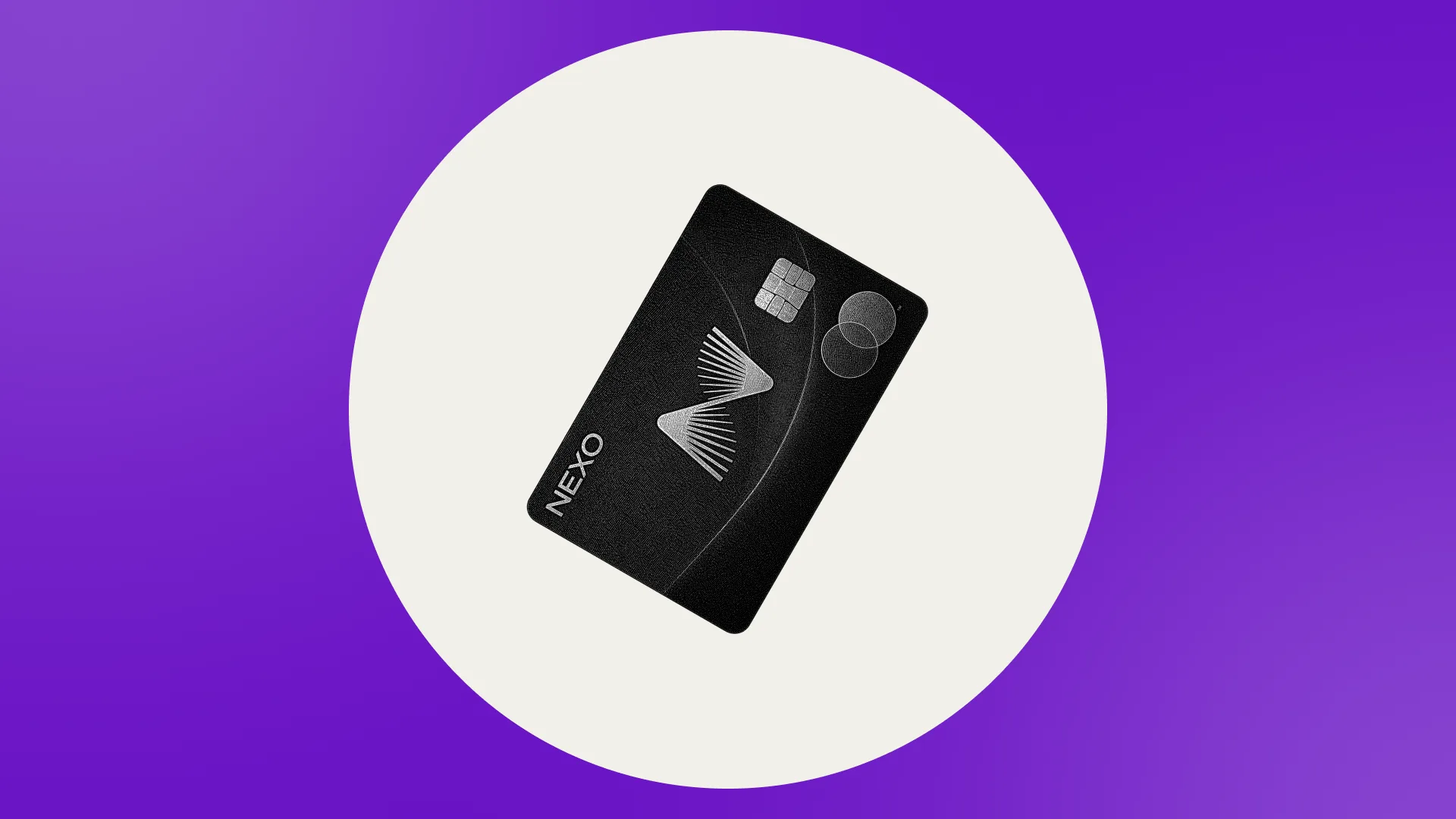
Crypto cards diverge sharply here. Crypto.com, for example, applies no FX markup on international purchases on most tiers, with roughly a 0.5% conversion spread on crypto-to-fiat. Nexo, by contrast, applies up to a 2.5% fee on foreign transactions. Bybit's EEA card includes a 0.5% foreign exchange fee on top of Mastercard's rate and a 0.9% crypto conversion fee on top of its exchange rate.
The spread, the gap between the rate you get and the interbank rate, is where the real cost hides. Many higher cashback tiers also require locking a provider's token. Crypto.com is a clear example: it is a six-tier prepaid Visa card offering 0% to 8% CRO cashback, powered by either monthly subscriptions or 12-month CRO staking lockups.
Hidden Costs to Watch
The subtlest cost is volatility. If you fund a card with a non-stablecoin asset, its value can move between top-up and spend, effectively changing your purchasing power. Some providers also apply inactivity fees, and topping up from an external wallet can carry network fees. Stablecoin-funded spending sidesteps most of the volatility issue but not the tax one, more on that below.
5. Rewards and Cashback: Where Crypto Cards Win
Wise offers no cashback. This is the clearest single advantage for crypto cards.
Crypto Cashback Rewards Explained
Crypto cashback is usually paid in a native token, BTC, or a stablecoin, and rates climb with tier. Bybit's rewards points and cashback are tier-based, with published cashback rates from 2% to 10% depending on tier, and cashback is paid in USDT. Nexo pays up to 2% cashback, paid in NEXO or BTC, depending on your tier. Coinbase advertises up to 4% back in cryptocurrency on every eligible purchase, with no annual fee.
The catch is that headline rates almost always require conditions. Nexo's tiers run Base (0.5%), Silver (0.7%), Gold (1%), and Platinum (2%), with Platinum requiring 10%+ of your portfolio held in NEXO. Higher tiers on other cards demand large token stakes locked for months.
Yield on Balances
Some crypto cards pay interest or yield on balances, and Wise now offers interest on GBP, EUR, and USD balances too. The distinction is risk: Wise's fiat is held under a regulated framework, whereas yield-bearing crypto accounts carry platform and market risk. Rewards genuinely justify the trade-offs for high spenders and crypto-native users; for a casual user on a base tier, the extra complexity may not pay off.
6. Global Acceptance and ATM Access
Card Network Coverage
Both Wise and most crypto cards run on Visa or Mastercard, so acceptance is rarely the deciding factor. Availability is. Crypto cards carry meaningful geographic restrictions, for instance, the Bybit Card is not available in the U.S., and the Nexo Card is not available in the United States either. Crypto.com is broader, available in 96 countries as of July 2026.
ATM Withdrawal: Crypto Cards vs Wise
Wise publishes a clear allowance then a flat percentage above it. Crypto card ATM access is often tier-dependent, Crypto.com, for example, offers a free ATM allowance of $200–$1,000 per month by tier, then 2% after. With either card, always decline dynamic currency conversion (DCC) at the terminal and choose to be charged in the local currency to avoid a third-party markup.
Offline and Contactless Payments
Both Wise and the major crypto cards support Apple Pay and Google Pay, and most issue a virtual card instantly for online spending before the physical card arrives. For day-to-day tap-to-pay, the experience is largely identical.
Comparing ATM limits and FX spreads across crypto cards? The Crypto.com Visa is a common benchmark for tiered ATM allowances. View card →
7. Security and Fund Protection
Wise Security Model
Wise is regulated as a money services business and e-money institution. It is regulated by FinCEN as a licensed MSB and holds state money transmitter licenses in all 50 US states, and by regulation it must hold customer funds in segregated accounts separate from its own, protecting your money from Wise's insolvency, though this is not the same as FDIC insurance. With no crypto exposure, there is no smart contract or exchange-hack risk, and you keep standard Visa/Mastercard chargeback and zero-liability rights.
Crypto Card Security Considerations
Custodial crypto cards introduce provider risk. Even well-run platforms are not immune, in January 2022, Crypto.com suffered a $34 million security breach, and funds were fully reimbursed within 48 hours. Non-custodial cards reduce counterparty risk by keeping keys with you. Regulatory coverage varies widely by provider and jurisdiction, and crypto balances are often uninsured. Most cards do offer two-factor authentication, instant freezing, and spending limits.
Which Is Safer?
Wise has the stronger regulatory framework for fiat funds. A non-custodial crypto card is preferable if you are protecting large crypto holdings and value self-custody. A custodial crypto card sits in between: highest convenience, moderate risk.
8. Tax Implications of Using a Crypto Card
Is Spending Crypto a Taxable Event?
In most jurisdictions, including the US, UK, and much of the EU, yes. Each purchase counts as a disposal of a crypto asset at market value, and the difference between your acquisition cost and the spend value is a taxable gain or loss. Even issuers flag this: Coinbase notes that spending cryptocurrency via the card triggers a taxable event in many jurisdictions, and advises consulting a tax advisor before using crypto for regular purchases.
Stablecoin Cards and Tax
Stablecoins pegged to fiat produce minimal gain or loss, but the transaction is still technically a disposal in many countries. Some jurisdictions apply exemptions or different treatment, always check your local rules rather than assuming.
Record-Keeping Requirements
Every crypto card transaction is a data point your tax filing may need: date, asset, cost basis, and disposal value. Crypto tax tools that import card spending data make this manageable, but the admin burden is real and grows with transaction volume.
Wise and Tax
Fiat-to-fiat conversion is not a capital gains event for most users. This gives Wise a materially simpler tax position, a genuine advantage for anyone with high-volume everyday spending who does not want to track a taxable disposal on every coffee.
9. When Wise Is the Better Choice
Wise is likely the better fit if you:
- Primarily hold and spend fiat currencies
- Receive a foreign salary or freelance income in multiple currencies
- Need local bank details in several countries (a USD routing number, an IBAN, and so on)
- Make frequent international bank transfers, Wise's core strength
- Want a clean, simple tax position on everyday spending
- Value strong regulatory protection and segregated fund safeguarding
- Prefer to avoid crypto volatility and complexity altogether
The ideal Wise user is an expat, digital nomad, international freelancer, or frequent traveller whose money is fiat and whose priority is transparent, low-cost currency management.
10. When a Crypto Card Is the Better Choice
A crypto card is likely the better fit if you:
- Already hold crypto and want to spend it without first cashing out to a bank
- Want to earn crypto cashback on everyday purchases
- Operate in a crypto-native environment, DeFi earnings, staking rewards, or NFT income
- Want to spend stablecoins without routing through traditional banking
- Live somewhere with limited traditional banking but strong crypto infrastructure
- Prioritise self-sovereignty and prefer a non-custodial option
- Spend enough to benefit from tiered cashback structures
The ideal crypto card user is a crypto investor, DeFi participant, stablecoin saver, or someone paid in crypto who wants to spend directly.
11. Top Crypto Cards Worth Considering in 2026
This is a brief, non-exhaustive snapshot to guide further research, not a ranking of an absolute "best" card. All figures were verified this month; staking requirements, rates, and availability change frequently, so confirm current terms before applying.
Provider | Network | Max advertised cashback | Key requirement | Availability |
|---|---|---|---|---|
Crypto.com Visa | Visa | Up to 8% (CRO) | Subscription or 12-month CRO stake¹ | 96 countries² |
Coinbase Card | Visa | Up to 4% (crypto) | Verified Coinbase account | US + most EU/EEA³ |
Nexo Card | Mastercard | Up to 2% (NEXO/BTC) | $5,000 portfolio; NEXO tier | EEA/UK/Switzerland⁴ |
Bybit Card | Mastercard | Up to 10% (USDT points) | Tier by spend/VIP status | Selected regions; not US⁵ |
¹ 0% to 8% CRO cashback, via monthly subscription or 12-month CRO lockup. ² Available in 96 countries as of July 2026. ³ Available to verified users in the United States and most of the EU/EEA. ⁴ UK residents can hold the card but earn no cashback due to FCA regulation since October 2023. ⁵ Runs as separate regional programs including the EEA, Switzerland, Australia, and others.
One market shift worth noting: the Binance Card, once one of the most widely available crypto cards, exited the EEA in late 2023 and relaunched as a Brazil-only Mastercard in October 2025, with its advertised 8% cashback requiring 600 BNB held. That is a reminder that crypto card availability can change quickly, check the current comparison before deciding.
12. Using Wise and a Crypto Card Together: The Complementary Strategy
For many people this is not an either/or decision. A practical workflow:
- Use a crypto card for discretionary everyday spending to earn cashback in crypto
- Use Wise for international transfers, receiving foreign income, and holding fiat
- Convert crypto earnings via an exchange, then move clean fiat into Wise for storage and transfers
There is a tax angle, too: keeping high-volume fiat spending on Wise minimises the number of taxable crypto disposals you create. And splitting funds across a custodial crypto card and a regulated Wise account diversifies your risk. For a digital nomad, that often looks like Wise for rent, bills, and transfers, with a crypto card reserved for travel spending and rewards.
Decided a crypto card fits alongside your fiat account? Compare current fees, cashback, and availability in one place. Compare cards →
Frequently Asked Questions
Does Wise support cryptocurrency?
No. Wise is a fiat-only multi-currency account. It does not let you buy, hold, convert, or spend cryptocurrency, every balance is held in a traditional fiat currency.
What are the FX fees on a crypto card compared to Wise?
Wise uses the mid-market rate with a small conversion fee, typically around 0.43%–0.7% for major currencies. Crypto cards vary widely: some, like Crypto.com, apply no FX markup on most tiers with roughly a 0.5% crypto-to-fiat spread, while others such as Nexo charge up to 2.5% on foreign transactions.
Are crypto card transactions taxable?
In most countries, including the US and UK, spending cryptocurrency is treated as a disposal and may trigger capital gains tax. Stablecoin spending is lower risk but still technically a taxable event in many jurisdictions. Always consult a local tax professional.
Can I use a crypto card to withdraw cash from an ATM?
Yes. Most major crypto cards allow ATM withdrawals with a free monthly allowance that often depends on your tier, Crypto.com, for example, offers a free allowance of $200–$1,000 per month by tier, then 2% after.
Is Wise or a crypto card better for travel?
It depends on your assets. Wise is generally better for fiat-heavy travellers who want transparent FX and no foreign transaction fees. A crypto card is better if you want cashback on travel spending or already hold crypto you'd rather spend than convert first.
What is a non-custodial crypto card?
A non-custodial crypto card lets you spend crypto while keeping control of your private keys. Unlike a custodial card linked to an exchange, you don't hand funds to a third party, conversion to fiat happens at the point of transaction, reducing counterparty risk.
Conclusion: Crypto Card vs Wise: Which Should You Choose?
The core distinction is simple. Wise excels at low-cost, transparent, well-regulated fiat multi-currency management. Crypto cards excel at spending digital assets you already hold and earning rewards while doing it. Neither is universally better.
A quick decision framework:
- Fiat-first user → Wise
- Crypto holder who wants to spend → a crypto card
- Power user → both, used strategically
Keep tax front of mind: fiat spending on Wise is straightforward, while every crypto card purchase may be a taxable disposal. Evaluate your primary use case, compare current fee schedules, and consider the complementary approach for maximum flexibility.
Since Wise sits outside the card-comparison scope, the natural next step is to line up the crypto card options against each other on fees, cashback, and availability before committing.
Ready to see which crypto card matches your spending and region? Compare cards →