

9 Reasons to Start Using the XPlace Crypto Card Today
The single strongest reason is structural: XPlace lets you spend against your crypto through a Visa credit line rather than selling it, so users deposit crypto into self-custody contracts that generate a credit line worth 30–70% of collateral value while keeping full ownership through their private keys. That matters because it can sidestep a taxable sale while your collateral keeps earning yield. That said, it is a collateralised product, a sharp price drop can trigger automatic liquidation, and cashback only applies in Credit Mode.
Below, we frame XPlace against the wider crypto-card field, the same category MyCardCompare tracks across 200+ cards, on fees, rewards, credit terms, and availability, with a direct XPlace vs Nexo comparison and an honest look at who it suits.
See how XPlace-style credit cards stack up against pre-funded crypto debit cards. Compare cards →
1. What Is XPlace and How Does the Crypto Card Work?
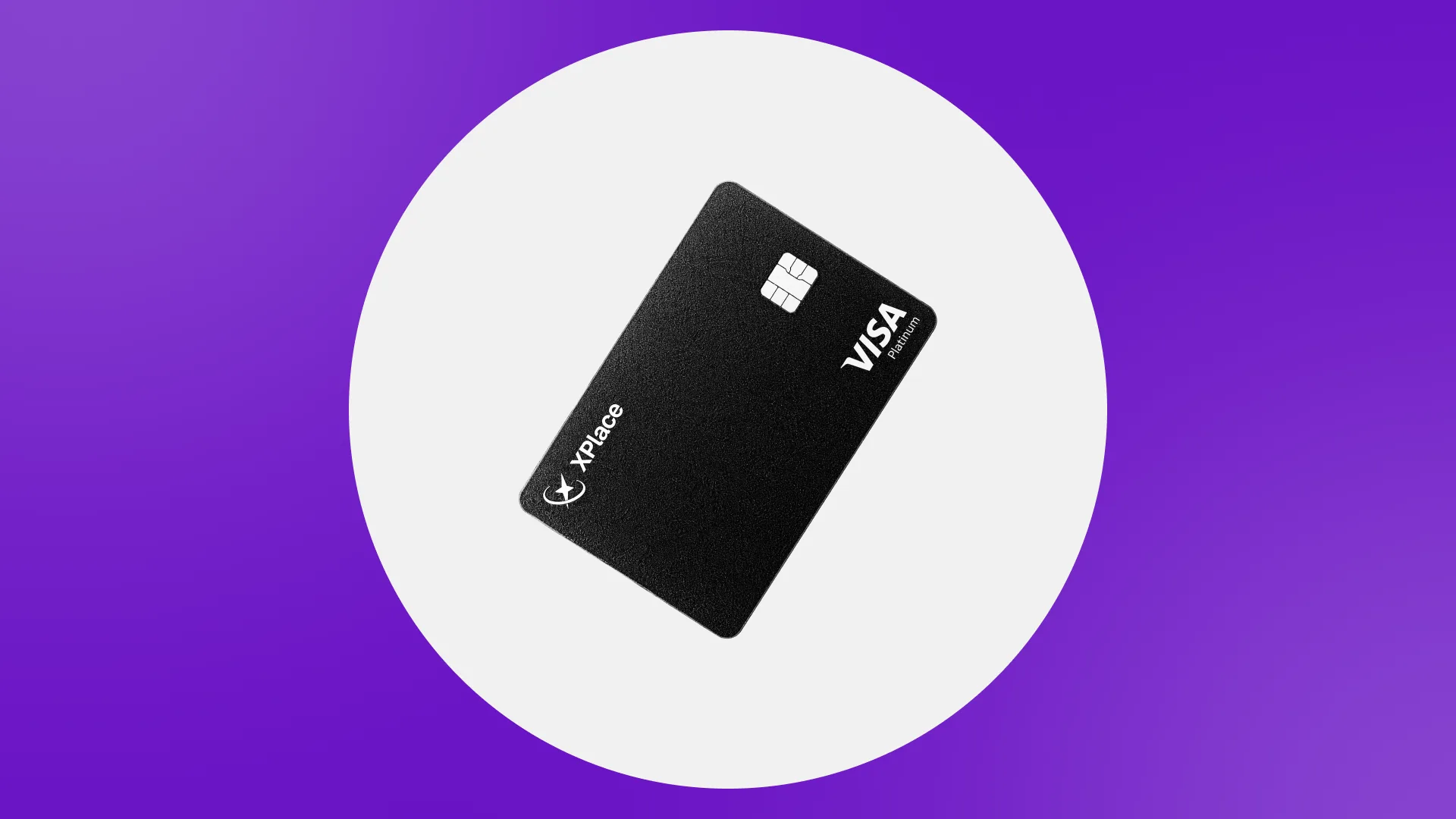
XPlace is a crypto-native financial platform built on Solana. Launched in late 2025 by Pontech Group L.L.C-FZ, the card functions as Solana's first true credit card, enabling users to borrow against their crypto holdings while continuing to earn DeFi yields on deposited assets. The card itself runs on Visa, a standard Visa card accepted at all Visa merchants across 160+ countries, with full Apple Pay and Google Pay support.
There are two spending modes, and the distinction is the whole point. Credit Mode spends using your collateral-backed credit line and earns USDC cashback plus XP points; Cash Mode spends directly from your wallet balance and does not earn XP points. Beyond the card, XPlace has added a banking layer: you can hold and send in USD, EUR, and BRL with IBAN and local rails across 160+ countries, effectively an account you can route salary and transfers through.
Supported Assets and How Funding Works
Funding runs through Solana's Kamino lending market. You deposit supported collateral, SOL, jitoSOL, USDT, or ETH and BTC as wETH and cbBTC, into Main Assets, XPlace routes it into Kamino, and one tap shifts part of your balance into collateral so you can borrow USDC against it. Deposits can arrive via crypto transfer, bank transfer, or Apple Pay.
2. Flexible Membership Tiers Built for Every Type of Crypto User
XPlace runs a four-tier model, Basic, Silver, Gold, and Platinum, where higher tiers raise limits and rewards. The card, credit line, yield, and cashback all work on the free tier; paid tiers raise the limits and add perks.
Tier-by-Tier Feature Breakdown
Per XPlace's published tier tables:
- Basic, free; entry-level access with the lowest cashback and XP rate.
- Silver, $99 per year; higher cashback, boosted XP, and first-level lounge access.
- Gold, $249 per year; priority support and expanded airport lounge and fast-track access.
- Platinum, $999 per year; the top XP cashback rate, maximum lounge and fast-track access, full concierge, and VIP events, plus a mirror-metal card.
Pricing here is a moving target. Earlier sources listed Silver at $200, Gold at $1,000, and Platinum at $5,000, so confirm the current fee on XPlace's site before subscribing.
Is It Worth Upgrading Your Tier?
The break-even runs on XP, not cashback. At $500/month spending, Basic gives about $2.50 USDC cashback plus 1% XP, while Silver gives $5 plus 3% XP but costs $200/year, the USDC difference is only about $30/year, far less than the fee; the real value is the XP multiplier. One independent review pegged the Silver break-even at $40,000 in annual spending. Casual spenders are usually best served by the free tier.
3. Industry-Competitive Cashback and a Rewards Program That Pays Back
XPlace's headline crypto debit card cashback is delivered in stablecoin. The card offers up to 2% USDC cashback and up to 10% XP rewards, with Borrow Mode cashback scaling 0.5% / 1% / 1.5% / 2% across Basic, Silver, Gold, and Platinum. One recent review reported that in July 2026 XPlace doubled Credit Mode cashback on every tier, moving the ladder from 0.5–2% to 1–4%, so verify the live rate before you rely on it.
The critical caveat: cashback only applies in Borrow Mode; Debit Mode spending with prepaid USDC does not earn rewards. Certain categories are also excluded, cash and ATM, money transfer, crypto purchases, and securities or insurance.
How the Crypto Card Rewards Program Compounds Value
XP is the second currency, and it carries real speculative weight. Users earn XP on card spending, trading, deposits, and referrals, and these points will determine allocation of XPlace's native token at a Token Generation Event expected in Q4 2026, with 40% of total token supply allocated proportionally to XP holders. As illustration: spend €2,000 a month in Credit Mode at a 2% rate and you would see roughly €40/month back in USDC, plus XP that may, or may not, hold value at launch. Crypto and token values fluctuate, so treat XP as an unrealised bet, not guaranteed income.
4. Unlock Liquidity Without Selling: The Crypto-Backed Credit Line
The Credit Hub is XPlace's core mechanism. Traditional crypto cards work by selling your crypto to process payments, while XPlace uses your crypto as collateral for a loan, your coins remain yours, just temporarily locked. That is what avoids a disposal event at the point of sale.
Supported Collateral and LTV Ratios
Loan-to-value varies by asset. XPlace's in-app view shows each asset's LTV as SOL 65%, wETH and cbBTC 70%, jitoSOL 50%, and USDT 80%. A worked example from the same review: deposit $10,000 of SOL and you unlock roughly $6,500 of USDC credit while the SOL keeps earning Kamino yield.
Interest Rates on the Credit Line
Because the credit line is sourced from Kamino, the cost is not fixed. Borrow APR is variable, sourced from Kamino's live market, and shown in the app before you draw. Some listings market this as 0% APR on purchases, but the honest read is a live lending rate you should check each time. Crucially, and this is the risk, because XPlace is non-custodial, Kamino holds the assets, so XPlace cannot move your collateral and cannot pause or reverse a liquidation if your collateral value falls below the protocol threshold. Interest accrues only on the amount you draw, not the full collateral.
5. Your Collateral Keeps Earning: Yield on Crypto Deposits
Unlike a card that simply parks your balance, XPlace keeps deposits productive. Users earn yields up to 16% APY on deposits, routed through Kamino's markets. Stablecoins such as USDT carry both the highest LTV and steady yield, while volatile assets like SOL and wETH offer variable rates that move with the market.
How Passive Income Stacks With Card Rewards
The appeal is dual earning: your collateral earns Kamino yield at the same time your Credit Mode spending earns USDC cashback and XP. Reinvested yield can compound over time. The honest qualifier: up to 16% APY is variable and not guaranteed, rates shift with on-chain demand, and the same collateral that earns yield is exposed to liquidation if prices fall sharply. This is passive income with genuine downside risk attached.
Weighing yield-bearing crypto cards against flat-cashback options? Compare the category side by side. Compare cards →
6. Transparent Fees and Rates: No Hidden Surprises
Many crypto cards bury costs in FX markups and ATM charges, so the fee structure deserves scrutiny.
XPlace Fees and Rates at a Glance
- Card transaction fee: 0% on every tier.
- FX fee: 1%, falling toward 0% at the top tier.
- Annual membership: free (Basic) up to $999 (Platinum) on the current official schedule, noting the pricing discrepancy flagged in Section 2.
- Foreign transaction fees: notably zero foreign transaction fees are advertised across all tiers, reconcile this against the 1% FX line above, as sources describe the FX charge differently, and confirm in-app.
- Bank transfers: tiered from 2% at Basic down to 0.5% at Platinum.
- Loan origination: one listing cites a 2.5% origination fee on the crypto-backed loans generated by spending.
The takeaway: XPlace's card-level fees are competitive, but the credit-line costs (variable borrow APR plus possible origination) are where the real expense sits.
7. Truly Global Access: Use Your Card Anywhere in the World
XPlace leans on Visa's reach. The card works across 160+ countries wherever Visa is accepted, and the banking layer adds a Global Bank Account to hold and transfer USD, EUR, and BRL over IBAN and local rails across 160+ countries, sitting in the same app as the card and credit line. Reported availability spans the US, EU, Africa, Asia-Pacific, Latin America, and the Middle East. Note that a US cardholder still faces local tax treatment, the IRS treats crypto card payments as taxable disposals, so "no taxable event" applies to the credit-line mechanism, not to your overall tax position.
8. Security, Regulatory Standing, and Peace of Mind
On the recurring "is XPlace safe?" question, the defining feature is non-custody. All balances and transactions are managed through on-chain smart contracts and licensed payment partners, and users keep full ownership. That removes issuer-insolvency risk over your coins but shifts responsibility to smart-contract and protocol risk. As one review put it plainly, a protocol exploit, insolvency, or sharp collateral drop can liquidate your position automatically, and XPlace cannot prevent or reverse it. XPlace is not a deposit bank, and crypto risk is inherent.
Built-In Card Security Features
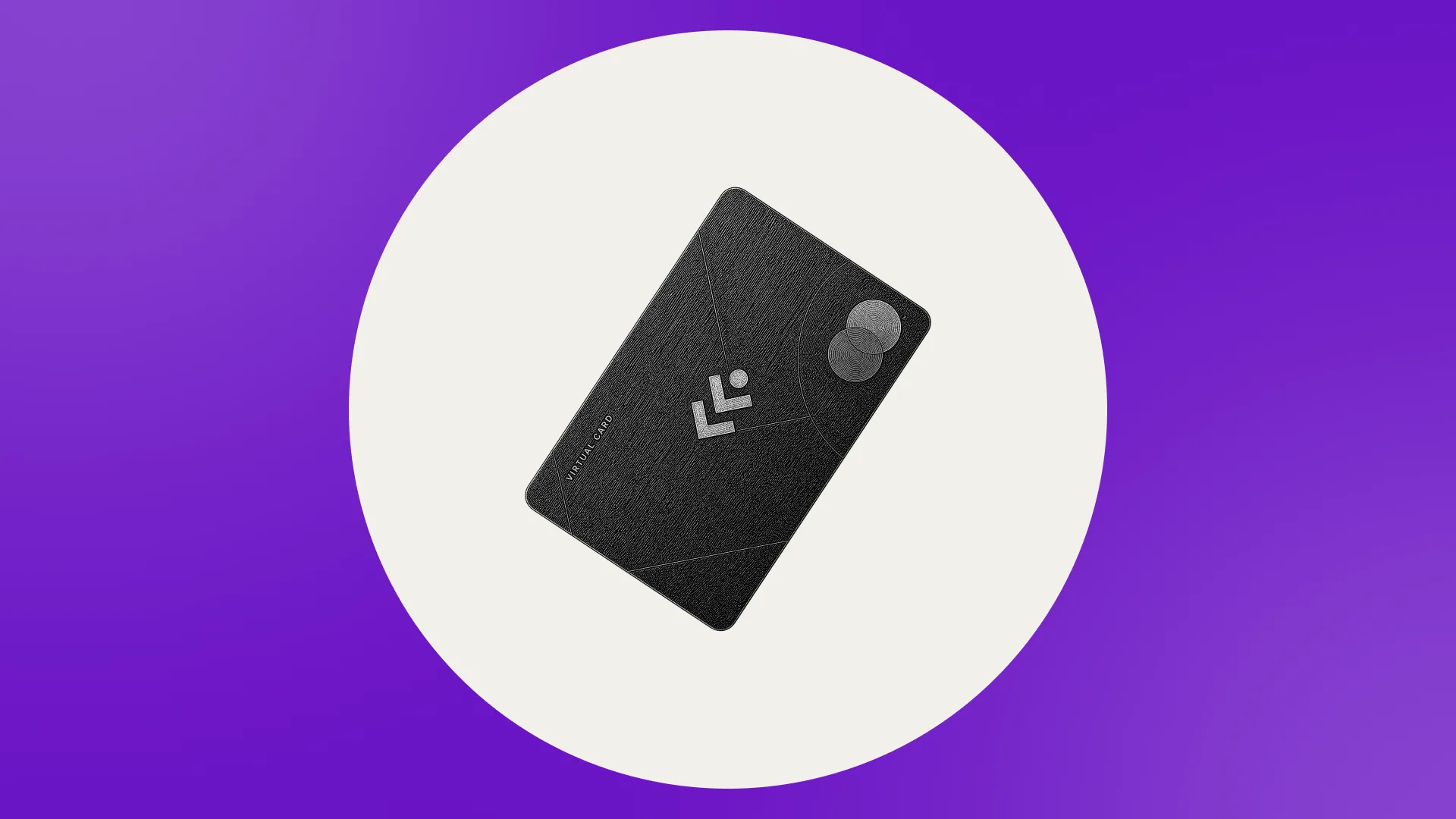
Standard app-level controls apply, instant virtual card issuance, PIN setup, and Apple/Google Wallet provisioning. After completing KYC, a virtual card is issued instantly and can be added to Apple Wallet or Google Wallet right away. Because assets sit in your own wallet, key management is the user's responsibility.
9. A Smooth, Intuitive Experience From Sign-Up to First Spend
XPlace is designed for same-day use: issue a virtual Visa, add it to your phone, and spend. The KYC process is light-touch, verify identity with a passport or national ID plus proof of residency, in a routine document-and-selfie check, not a financial background check.
Step-by-Step: How to Apply and Get Started
- Download the XPlace app.
- Create an account and pick a username (others can send you funds by username).
- Complete KYC with a government ID, selfie, and proof of residency.
- Choose your membership tier, you can upgrade later.
- Deposit crypto or fiat into Main Assets.
- Set a PIN; your virtual Visa is created instantly. Add it to Apple Pay or Google Pay.
- Open a credit line by designating collateral.
- Spend in Credit Mode to earn USDC cashback and XP.
Tips for a Faster Approval
Use clear ID photos and ensure your name matches across documents. The entire application takes roughly 10–15 minutes, and all you need is a valid passport.
How XPlace Compares to the Competition
The most-searched head-to-head is XPlace vs the Nexo Card, both let you spend against crypto, but they are built differently.
XPlace vs Nexo Card: Key Differences
Feature | XPlace Card | Nexo Card |
|---|---|---|
Card network | Visa | Mastercard |
Top-tier cashback | up to 2% USDC (Credit Mode only)¹ | up to 2% in NEXO or 0.5% in BTC (Credit Mode only) |
Credit line LTV (BTC) | ~70% (cbBTC) | up to 50% |
Yield on collateral | up to 16% APY (variable) | up to ~15% APY |
Annual fee | $0 – $999² | $0 (no annual/monthly fee) |
FX fee | 1%, lower at top tiers | 0.2%–2.5% by tier |
Custody | Non-custodial (Solana/Kamino) | Custodial |
Availability | 160+ countries | EEA + UK, not the US |
¹ XPlace's tier table lists 0.5%–2%; mid-2026 reporting cites an increase to 1–4%, confirm current rates. ² Current official page lists Silver $99 / Gold $249 / Platinum $999; earlier sources cited higher figures.
Where XPlace leads: reach and custody. It works across 160+ countries and keeps assets in your own wallet, whereas the Nexo Card is a Europe-only Mastercard, not supported in the US. Where Nexo leads: cost of entry. Nexo has no monthly, annual, or inactivity fees, and it offers a familiar custodial experience with cashback paid in either NEXO or BTC. Both gate cashback behind Credit Mode, and Nexo additionally requires a $5,000 portfolio minimum to earn any cashback. Crypto.com's Visa and the Coinbase Card, by contrast, lean toward pre-funded debit spending rather than a true collateral-backed credit line.
Who Should Choose Which
Choose XPlace for wider country coverage, self-custody, and the XP/airdrop angle; choose Nexo if you are in Europe or the UK and want a no-annual-fee, dual-mode card from an established custodial platform.
What Real Users Are Saying About the XPlace Crypto Card
Three use cases recur across reviews:
- The HODLer, locks BTC or SOL as collateral, spends the credit line without selling, and earns Kamino yield on the locked assets.
- The Active Spender, targets Platinum to maximise Credit Mode cashback, accepting the annual fee against high monthly volume, as Platinum's fee is best suited for heavy spenders or those with large referral networks who can recoup costs through the 25% commission.
- The Freelancer, receives international payments to the XPlace IBAN, holds in USD, EUR, or BRL, and spends with the card.
Individual experiences vary, and much of XPlace's upside is tied to an unlaunched token. Do your own due diligence before committing an annual fee.
Prefer a no-annual-fee, custodial alternative? See the Nexo Card's verified figures. View card →
Frequently Asked Questions About the XPlace Crypto Card
Is the XPlace Crypto Card available in my country?
XPlace reports availability across the US, EU, Africa, Asia-Pacific, Latin America, and the Middle East, with the card usable in 160+ countries wherever Visa is accepted. Regional support changes, so check XPlace's official site for the current country list before signing up.
What cashback rate does the XPlace card offer, and how is it paid?
XPlace's tier table lists up to 2% USDC cashback plus up to 10% XP rewards, with some mid-2026 reporting citing an increase to a 1–4% USDC range. It is paid in USDC stablecoin, and critically cashback only applies to Borrow Mode purchases, Debit Mode spending earns nothing.
How does the crypto-backed credit line differ from a traditional loan?
There is no credit check and no fixed repayment schedule; you use crypto as collateral rather than selling it, so your coins remain yours, just temporarily locked, and interest accrues only on what you draw. The risk is liquidation: because Kamino holds the assets, XPlace cannot pause or reverse a liquidation if your collateral falls below the protocol threshold.
What are the fees and rates associated with XPlace?
Card transaction fees are 0% on every tier with a 1% FX fee that falls to 0% at the top, membership runs from free to $999/year on the current schedule, and borrow APR is variable from Kamino. Some listings also cite a 2.5% loan origination fee. Confirm the latest schedule on XPlace's site, as pricing has changed recently.
Is XPlace safe and legitimate?
XPlace is a non-custodial platform where balances and transactions run through on-chain smart contracts and licensed payment partners, and users keep full ownership. It is not a deposit bank, and it carries inherent crypto risk, a protocol exploit, insolvency, or sharp collateral drop can liquidate your position automatically.
How long does the KYC process take to get approved?
Expect minutes to a day. After completing KYC, a virtual card is issued instantly, and the full application typically takes roughly 10–15 minutes with just a valid passport. Delays usually come from unclear photos or mismatched names across documents.
Conclusion: Is the XPlace Crypto Card Worth It in 2026?
XPlace's nine strengths, flexible tiers, competitive Credit Mode cashback, a genuine crypto-backed credit line, yield on deposits, low card-level fees, 160+ country reach, self-custody, a fast sign-up, and a distinctive XP/airdrop layer, add up to a card that turns idle crypto into a working financial tool without forcing a sale. The trade-offs are equally real: cashback is locked to Credit Mode, borrow rates are variable, liquidation is automatic and irreversible, and much of the upside rests on an unlaunched token.
It is not for everyone. If you hold little crypto or prefer a straightforward fiat product, a pre-funded debit card or a no-annual-fee option like Nexo may fit better. The sensible next step is to weigh XPlace against the wider field before committing, compare crypto cards on fees, rewards, custody, and availability so the card you pick matches how you actually spend.
Compare XPlace's model against 200+ crypto cards on fees, rewards, and availability. Compare cards →