

Phantom Crypto Card Review: Is It the Best Web3 Spending Card in 2026?
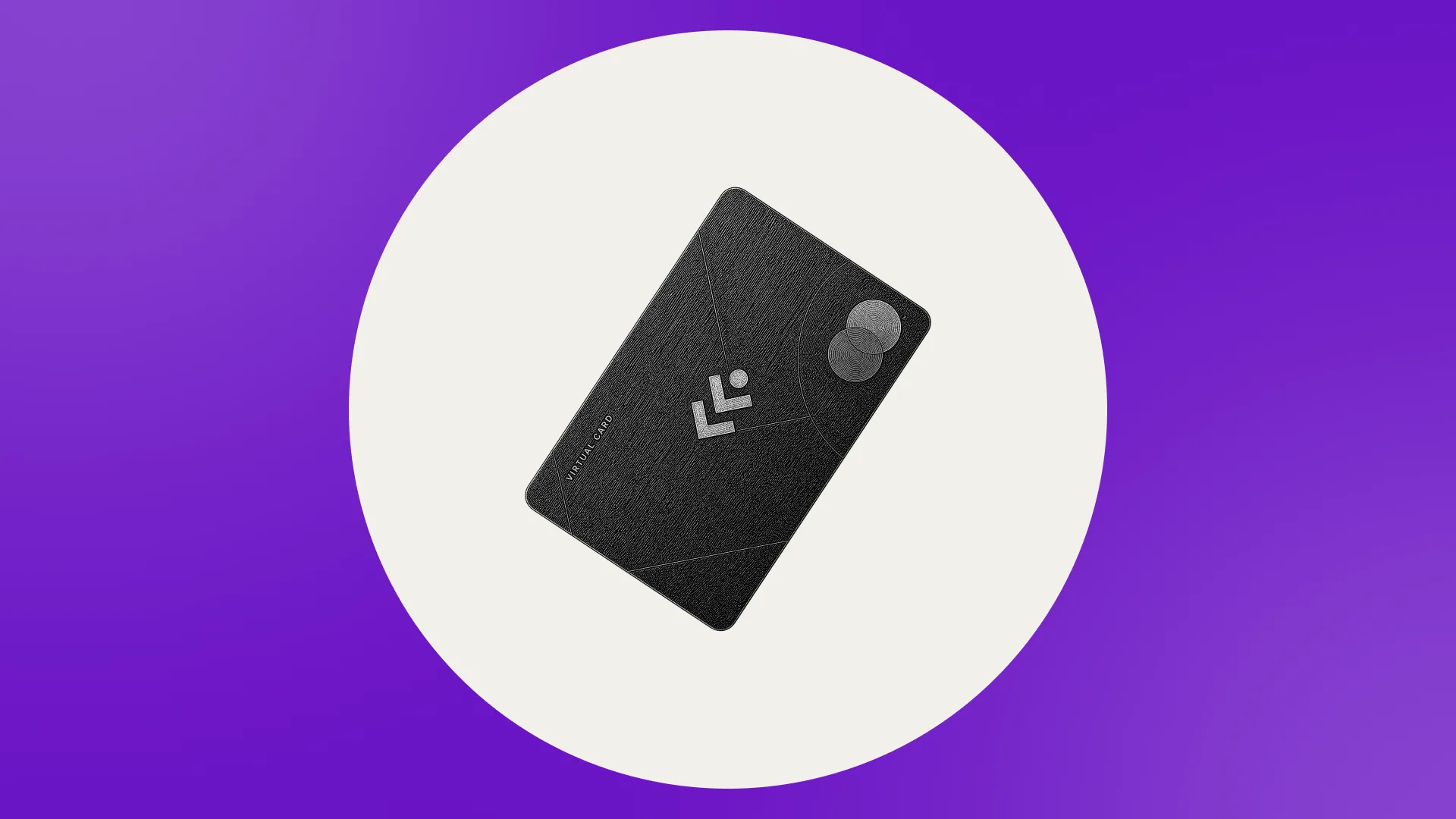
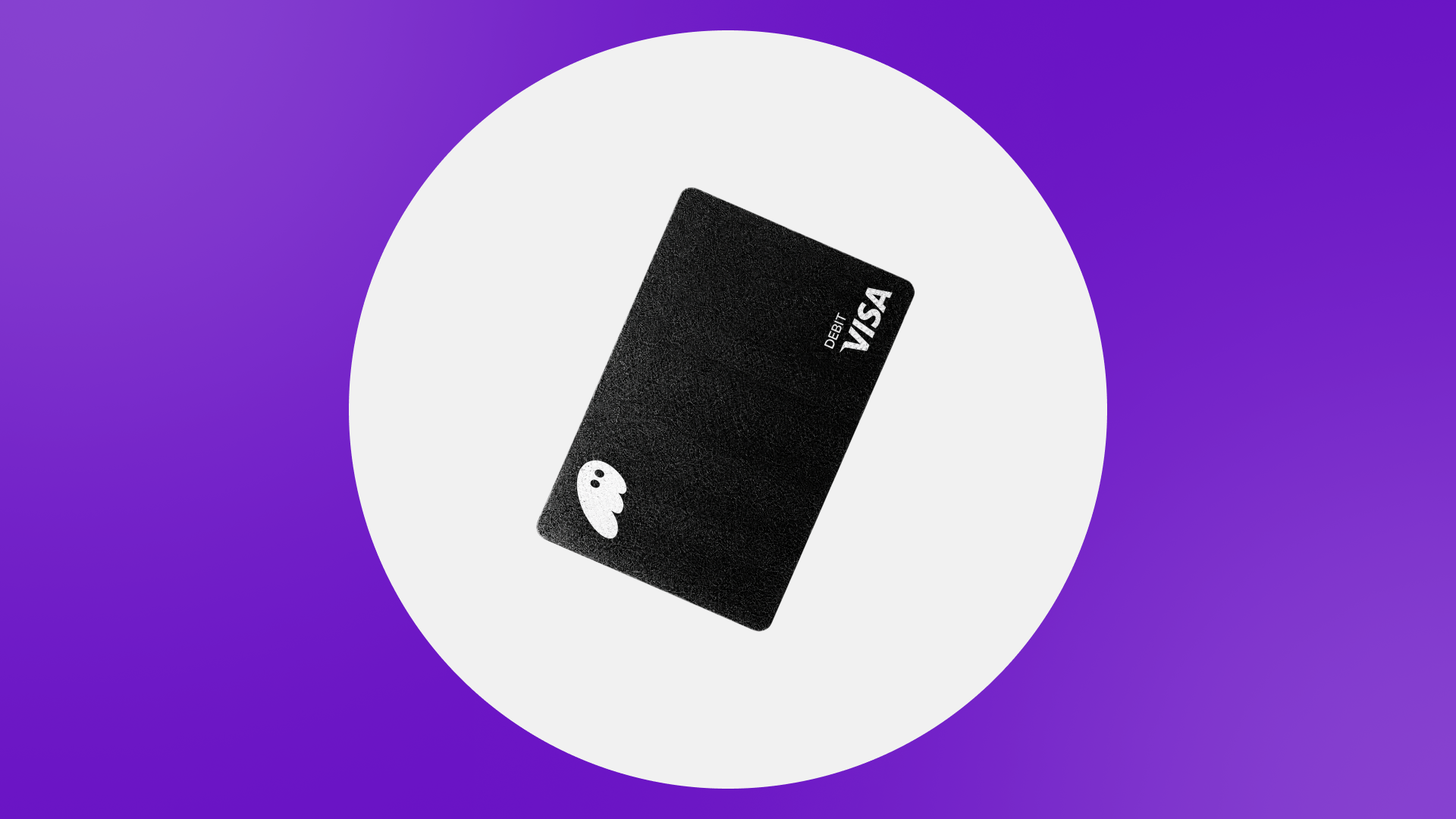
The Phantom Cash debit card is a prepaid Visa issued through Lead Bank and managed by Bridge Ventures that lets you spend stablecoin (CASH) balances from your Phantom wallet wherever Visa is accepted, including via Apple Pay and Google Pay. The card is issued by Lead Bank pursuant to licensing by Visa U.S.A. Inc., with Bridge Ventures LLC serving as the program manager; Phantom itself is not a bank. It launched in early access in December 2025, currently available in the United States except New York, and is virtual-only for now. However, the card's fee schedule remains partially undisclosed, geographic reach is narrow, and crypto values fluctuate, so whether it is the right Web3 spending card depends heavily on where you live and how you intend to use it.
MyCardCompare tracks the Phantom Card alongside 200+ cards compared, updated weekly, across crypto, cashback, travel, and other categories. This review breaks down fees, supported assets, security, and how the Phantom Card compares to the Coinbase Card, MetaMask Card, and Crypto.com Visa Card, using verified figures from each issuer.
See how the Phantom Card stacks up against other crypto spending cards on MyCardCompare. View card →
1. What Is the Phantom Crypto Card?
Phantom began a phased rollout of its Phantom Cash debit card in the United States, a prepaid Visa card that enables users to spend stablecoins directly from their Phantom wallet via Apple Pay and Google Pay. The product is part of Phantom's broader "Phantom Cash" feature set, which also includes gasless peer-to-peer transfers, username-based payments, and on/off-ramp services.
Phantom started as a Solana-first wallet when it launched in 2021, and support has since expanded to include Ethereum, Bitcoin, and Polygon. With more than 15 million monthly active users across Solana, Ethereum, Bitcoin, and Sui, the card extends Phantom's role from a wallet into what the company describes as a lightweight financial hub.
Unlike many custodial crypto cards issued by exchanges such as Coinbase or Crypto.com, users keep full self-custody of their crypto assets, the card acts as a spending layer connected to the wallet. When you make a purchase, Bridge (Phantom's partner) draws CASH from your Cash account, converts it to USD, and the merchant is paid like a standard Visa transaction.
At the core of Phantom Cash is CASH, a fully backed, USD-pegged stablecoin on Solana that keeps the spending experience stable and ready for everyday use. This means you are not spending volatile SOL or ETH directly at checkout, the CASH token functions as a dollar proxy on-chain.
How Does the Phantom Crypto Card Work?
The transaction flow looks like this:
- Fund your Cash account, Swap Solana tokens (SOL, USDC, etc.) into CASH within the Phantom app, or fund with a linked bank account, debit or credit cards, Apple Pay, or bank transfers (US only, except NY).
- Tap to pay, Online or in-app, select Visa at checkout and enter your card details, or use Apple Pay or Google Pay. In-store, tap to pay using Apple Pay or Google Pay at contactless terminals.
- Settlement, Bridge draws CASH from your Cash account at a 1:1 USD rate, converts it, and settles the merchant in fiat. The process is designed to feel like a standard card swipe.
Cash works only on Solana. It can hold CASH, but it cannot receive tokens from other networks such as Ethereum or Polygon. If you hold assets on another chain, you need to bridge them to Solana first before swapping into CASH.
2. Core Features and Spending Capabilities
The Phantom Card's feature set centres on seamless crypto-to-fiat conversion inside a single app:
- Accepted everywhere Visa is accepted, the card lets you pay with your CASH balance anywhere Visa, Apple Pay, or Google Pay are accepted, online, in apps, and in stores.
- Virtual card only (for now), the Phantom debit card is currently virtual only. Physical cards are expected at a later stage.
- Spending limits, the default daily spending limit is $2,000. You can request an increase to $5,000 per day by contacting Phantom Support.
- Stablecoin swaps, you can go from crypto to CASH with a few taps, completing trades without fees on stablecoins.
- Bank account integration, receive bank transfers and domestic wires using routing and account numbers; add funds via bank account, debit card, or Apple Pay/Google Pay.
- Peer-to-peer transfers, transfer CASH instantly to other Phantom users.
- DeFi yield, use CASH in DeFi apps such as Kamino for earning yield.
Phantom Wallet Features That Power the Card
The card does not exist in isolation, it is embedded inside the full Phantom wallet, which includes:
- Built-in swap functionality, Phantom added in-wallet swapping in 2021, letting users buy and exchange supported assets directly in the app.
- NFT and token management, Phantom has a built-in NFT gallery supporting Solana, Ethereum, and Polygon NFTs. You can buy, sell, and manage NFTs, browse collections, and preview different formats.
- Browser extension and mobile app, on desktop, users work through the Phantom wallet extension; on mobile, they use the Phantom wallet app. Both versions let users switch between supported chains and manage tokens from one interface.
- Transaction alerts, The app provides real-time notifications for card spending, swap completions, and incoming transfers.
Web3 Debit Card Capabilities vs. Traditional Crypto Cards
The key distinction with the Phantom Card is the self-custody model. Other wallets and exchanges have launched debit cards tied to crypto balances, but Phantom's approach stands out by keeping funds on-chain until the moment of purchase. Traditional custodial cards, like the Coinbase Card or Crypto.com Visa, require you to deposit assets into an exchange account, where the issuer controls the keys.
With Phantom, your CASH is always held on-chain and accessible through your self-custody wallet. This reduces counterparty risk but also means there is no FDIC or FSCS protection on the crypto balance itself.
3. Supported Cryptocurrencies and Networks
Phantom currently supports the following networks: Solana, Ethereum, Base, Polygon, Sui, Monad, Bitcoin (Native SegWit/Taproot), and HyperEVM.
However, the Cash account and debit card operate exclusively on Solana. Cash works only on Solana. If you hold USDC or other tokens on a different network (for example, Base), you must bridge them to Solana before swapping into CASH.
Tokens you can buy through Phantom's on-ramp partners include popular tokens such as SOL, ETH, USDC, and BTC, though availability depends on your region and the third-party provider (MoonPay, Topper, Banxa, or Stripe).
For card spending, the flow is: hold or acquire tokens → swap to CASH (the USD-pegged stablecoin) → spend via the Visa card. The card does not auto-convert SOL or ETH at the point of sale. You convert first, then spend the stable balance.
Solana Crypto Card: Why Solana Is Central to Phantom
Phantom best suits Solana users who want one app for swaps, NFTs, staking, and dApp access. Its biggest strength is that Solana still feels like the core product, even after expansion into a broader multi-chain wallet.
Solana's low transaction fees (typically fractions of a cent) and sub-second finality make it practical for frequent card-related swaps into CASH. On Ethereum, gas fees can range from $5–$20 or more during congestion, which would erode the value of small transactions.
The Phantom Card is one of the few self-custody crypto cards on the market. See how it compares to exchange-issued alternatives. View card →
4. Fees and Costs
Fee transparency matters, especially for a card where multiple layers of conversion happen before a merchant is paid. Phantom states that fees can apply when you send, swap, fund, or withdraw from your Cash account, and if a fee applies, you'll always see it in Phantom before you confirm.
Card Usage Fees
Phantom's official help centre lists card-related fees, but the detailed breakdown (specific percentages for card transactions, ATM fees, etc.) is presented within the app at the time of each action rather than in a single published schedule. Phantom notes that fees may apply, though specific card transaction fees have not been fully itemised publicly as of mid-2026.
Key points verified from Phantom's documentation:
- No published annual or monthly card fee, The card is free to activate and hold.
- Daily spending limit, $2,000 default, expandable to $5,000 on request.
- KYC, To access the Phantom debit card, KYC is required.
Crypto Conversion and Swap Fees
Within the broader Phantom wallet (separate from the Cash feature):
- Phantom charges a 0.85% fee on select in-app swaps.
- Cross-chain bridge swaps include a bridge provider fee of around 0.3% plus gas on both chains.
- On Solana mobile, gasless swaps charge a flat 1.5% all-in fee and require no SOL in your wallet.
- Network gas fees are set by the blockchain, not by Phantom, and vary with demand.
- Stablecoin-to-CASH swaps within the Cash account are fee-free.
Hidden Costs to Watch Out For
- Conversion spread, When buying crypto through Phantom's on-ramp partners, buying crypto through integrated partners may include payment processing fees, spread, and provider-specific costs.
- Bridge fees, Moving assets from Ethereum or another chain to Solana incurs bridge and gas fees that can add up.
- Third-party funding fees, Each on-ramp provider operates independently; tokens available, payment methods, fees, and exchange rates all vary by provider and region.
5. Security Architecture and Safety
For a card that draws from an on-chain balance, security is arguably the most critical factor. If your wallet is compromised, funds can be irreversibly lost, there is no bank to call for a reversal of an on-chain transaction.
Phantom Wallet Security Model
- Non-custodial design, Phantom is self-custody. The user controls the keys through the recovery phrase, and the wallet signs transactions locally.
- Seed phrase, This is the foundation of the security story, but it also creates the main operational burden. If the recovery phrase is lost, funds are usually unrecoverable.
- Biometric authentication, PIN and biometric locks are available on the mobile app.
- Ledger integration, Ledger integration adds a stronger signing layer for larger balances.
- Google/Apple login, Phantom offers a Google or Apple login with a 4-digit PIN. It still treats the wallet as self-custody, and users can export the recovery phrase or private keys locally as a backup.
Card-Level Security Features
- Lock/unlock functionality, If your card is lost or compromised, select Lock Card to temporarily disable it. Select Unlock Card to re-enable it.
- PIN management, Some merchants require a PIN at checkout. Select Set PIN or Change PIN to create one.
- Dispute process, Disputes are handled by Galileo, Phantom's card processor, who manages the end-to-end investigation process directly with you.
- Privacy protections, Phantom does not store your identity documents or link your wallets to your real-world identity. Your identity is not linked to your non-Cash wallet addresses.
Known Security Risks and How to Stay Safe
Phantom's own security content warns that scammers use fake sites and fake support DMs to trick users into entering seed phrases or approving malicious prompts.
In late September 2021, browser extension wallets including Phantom were affected by a vulnerability named "Demonic" that could have exposed recovery phrases, but Phantom patched it before any theft occurred. A 2022 incident involved hackers sending fake Phantom security update links via NFT containing malware; Phantom responded by launching a burn NFT feature and an open-source blocklist of over 2,000 malicious domains.
Best practices:
- Store your seed phrase offline, never digitally.
- Use a Ledger hardware wallet for larger balances.
- Enable only the networks you actively use.
- Never approve transactions or sign messages from unverified dApps.
6. Pros and Cons of the Phantom Crypto Card
A balanced assessment, sorted by what matters most for different user types:
Pros
- Self-custody spending, Your crypto stays on-chain until the moment of purchase. No exchange deposit required.
- Multichain wallet, As of June 2026, Phantom supports Solana, Ethereum, Base, Polygon, Sui, Monad, Bitcoin, and HyperEVM.
- No published annual fee, The card is free to activate.
- Apple Pay and Google Pay, Virtual card works with both mobile payment systems from day one.
- Stablecoin-powered, Spending a USD-pegged token (CASH) avoids the volatility risk of spending SOL or ETH directly.
- Solana speed, Low-cost, near-instant swaps into CASH on Solana.
- DeFi access, CASH can be used in DeFi protocols like Kamino for yield between spending.
Cons
- US only (except New York), The card is available in the US only (except NY) and requires identity verification. No international rollout confirmed.
- Virtual only, No physical card available yet.
- Limited fee transparency, Specific card transaction fees are disclosed in-app, not in a single public schedule.
- No published rewards or cashback programme, Unlike the Coinbase Card (up to 4%) or MetaMask Metal (3%), Phantom has not announced any card-based rewards.
- Cash account is Solana-only, Assets on Ethereum, Base, or other chains must be bridged to Solana first.
- No FDIC/FSCS insurance on crypto, Funds in the Cash account are not covered by traditional deposit protection.
- KYC required, Identity verification is needed for the debit card and bank transfer features.
- $2,000 daily default limit, Low relative to some competitors.
7. Who Is the Phantom Crypto Card Best For: and Who Should Skip It?
Ideal User Profiles
- Solana ecosystem participants, If SOL, USDC on Solana, or Solana-based DeFi earnings are your primary holdings, the on-chain-to-card flow is seamless.
- Self-custody advocates, Users who prefer to control their own keys rather than depositing into an exchange.
- Freelancers paid in crypto, Receive USDC or SOL, swap to CASH, and spend with the card without leaving Phantom.
- Existing Phantom users, If you already use Phantom for swaps, NFTs, or staking, the card is a natural extension.
Who Should Skip the Phantom Crypto Card
- Users outside the US, The card is not yet available internationally.
- New York residents, Explicitly excluded from Cash features.
- Users who want cashback or rewards, No rewards programme exists on this card.
- Those needing a physical card, Virtual only for now.
- Risk-averse users, No deposit insurance, and crypto values fluctuate (note: CASH is USD-pegged, but the broader crypto holdings are volatile).
- Complete beginners, Self-custody requires understanding seed phrases, on-chain transactions, and DeFi concepts before use.
Wondering whether a different crypto card suits your spending style? MyCardCompare ranks 200+ cards by fees, rewards, and availability. Compare cards →
8. How to Set Up and Get Started with the Phantom Crypto Card
Step 1: Download and Install the Phantom Wallet
Phantom is available as a mobile app on iOS and Android, and as a browser extension for Chrome, Brave, Edge, and Firefox. Open the app and tap "Create a new wallet." Agree to the Terms of Service.
Create a 4-digit PIN. Re-enter the PIN and enable biometric security. Phantom will generate a 12-word seed phrase that you need to write down and keep somewhere safe. This is the most critical step, if you lose the seed phrase and your device, your funds are gone.
Step 2: Fund Your Phantom Wallet
You can buy crypto directly in Phantom through on-ramp partners: your purchase is handled by a third-party provider such as MoonPay, Topper, or Banxa, not by Phantom. Payment methods include debit card, Apple Pay, PayPal, or bank transfer (availability varies by region).
For card use, the recommended path is to acquire USDC on Solana and swap it to CASH, this avoids volatility and keeps conversion costs low.
Step 3: Activate the Cash Account and Debit Card
Identity verification (KYC) is optional for most Cash features, swaps, peer-to-peer transfers, and Solana wallet withdrawals work without it. But to access the Phantom debit card, KYC is required.
Phantom uses progressive verification with 3 levels. You start with basic information (name, email, address) and can provide more over time (Social Security number, government-issued ID) to unlock higher funding limits.
Step 4: Add to Apple Pay or Google Pay and Start Spending
Open the Cash tab. Tap the card symbol in the upper right. Tap "Add to Apple Wallet" or "Add to Google Pay." Follow the prompts.
Make sure your Cash account is funded before making a payment. You can set a PIN for merchants that require one, and lock the card from within the app if needed.
9. Phantom Wallet Integration: The Foundation Behind the Card
Phantom Wallet Overview (2026 Edition)
Phantom launched in 2021 as a Solana-focused wallet designed for fast DeFi and NFT activity. Phantom raised $268 million in total across 3 funding rounds, with the Series C ($150 million) in January 2025 at a $3 billion valuation.
Phantom served almost 17 million monthly active users at its peak, with growth described as 5x over the prior year. The wallet has expanded into prediction markets (powered by Kalshi), perpetual futures (via Hyperliquid), and now everyday spending through Phantom Cash.
Recovery Model and Backup
Phantom is still a non-custodial wallet at its core. In a standard setup, the recovery phrase and private keys stay with the user, not with Phantom or an exchange.
If you set up via Google or Apple login, it is still a self-custody wallet, not a custodial account. You can restore that wallet with the same login and PIN, and Phantom recommends exporting the recovery phrase as an extra backup.
Phantom as a Full-Stack Web3 Hub
Prediction markets, stablecoin payments, and yield products have gradually turned the wallet into something closer to a lightweight financial hub rather than a pure crypto interface. The card fits into this broader strategy of becoming the one app where users hold, swap, earn, predict, and now spend.
10. Real User Reviews and Reputation
Community Sentiment and Trust Signals
On the iOS App Store, Phantom holds a 4.6/5 rating from over 203,900 reviews. On Google Play, Phantom is rated 4.52 out of 5 based on 150,000 ratings. The app has been downloaded over 20 million times.
Users praise Phantom's speed, clean UX, and reliable multi-chain support, with several calling it their primary wallet, especially for Solana.
Reported Issues and Complaints
User reviews reveal several recurring pain points:
- Customer support limitations, Multiple reviewers mention slow response times and reliance on chatbot-first support.
- Scam NFTs, Critical reviews warn about scam NFTs appearing in-app and limited recourse after losses.
- Phantom Cash bugs, Some users report issues with Cash balance visibility across devices and delays activating the debit card.
There have not been any widely known major wallet-draining protocol exploits tied to Phantom itself, though that should not be confused with immunity from scams or user-side compromise.
Industry Recognition
App store rankings show Phantom consistently in the top 3 self-custody wallet apps on both iOS and Android. The wallet has been featured in multiple independent reviews from outlets like CoinBureau, CryptoSlate, and CoinDesk.
11. Phantom vs. Competitors: How Does It Stack Up?
Phantom Crypto Card vs. Coinbase Card
Coinbase's debit card spends directly from your Coinbase balance. It is a custodial model, your assets sit on Coinbase's platform, not in your own wallet. The Coinbase Card has $0 annual/monthly fee, $0 Coinbase fee for card spend, but crypto spend incurs a Coinbase spread via conversion to USD. The foreign transaction fee is 2.49%.
The Coinbase Card offers crypto rewards (variable, up to 4% depending on the asset selected), which Phantom does not currently match. However, Phantom's self-custody model means you never hand over your keys.
Phantom Crypto Card vs. MetaMask Card
Consensys launched the MetaMask Card in February 2026 across 49 US states. Like Phantom, it is self-custody, funds remain in your own wallet until each transaction is authorised.
The MetaMask virtual card has no annual fees; the Metal card has an annual fee of $199. Standard cardholders receive up to 1% cashback, while Metal card transactions earn 3% mUSD back on the first $10,000 spent each year.
MetaMask Card runs on the Mastercard network (vs. Phantom's Visa) and supports spending on Linea, Base, and Solana, a broader multi-chain card experience.
Phantom Crypto Card vs. Crypto.com Visa Card
The Crypto.com Visa Card is custodial, your crypto is automatically converted to local fiat at the point of sale. The entry-level Midnight Blue tier requires no staking but earns 0% cashback. To unlock meaningful rewards of 2%–5%, you must stake CRO ranging from about $500 to $500,000.
Crypto.com offers richer rewards and wider geographic availability (US, EU/EEA, Canada, Singapore, and more), but requires significant CRO staking and is fully custodial. Note: CRO rewards are crypto-denominated and values fluctuate.
Quick Comparison Table
Feature | Phantom Card | Coinbase Card (Debit) | MetaMask Card (Virtual) | Crypto.com Card |
|---|---|---|---|---|
Custody Model | Self-custody | Custodial | Self-custody | Custodial |
Card Network | Visa | Visa | Mastercard | Visa/Mastercard |
Annual Fee | $0 | $0 | $0 (virtual); $199 (Metal) | $0 (stake-based tiers) |
Cashback/Rewards | None announced | Up to 4% (variable, rotating) | 1% (virtual); 3% (Metal, first $10K) | 0%–5% (CRO stake dependent) |
FX / Cross-border Fee | Not disclosed | 2.49% | 1% (virtual); 0% (Metal) | 0% (most tiers) |
Daily Spend Limit | $2,000 (expandable to $5,000) | $2,500 | $15,000 (virtual); $30,000 (Metal) | Varies by tier |
KYC Required | Yes | Yes | Yes | Yes |
Availability | US only (except NY) | US (except HI); EU/EEA | 49 US states + EU/EEA, UK, LATAM | US, EU/EEA, CA, SG, AU, BR |
Best For | Solana/Web3 self-custody users | Coinbase account holders | EVM + Solana self-custody users | CRO stakers seeking high cashback |
Figures verified July 2026. Confirm current terms on each issuer's site before applying. Crypto-denominated rewards fluctuate in value.
12. Final Verdict: Is the Phantom Crypto Card Worth It in 2026?
The Phantom Card occupies a distinct niche: it is one of the few crypto debit cards that operates from a self-custody wallet with on-chain settlement via a Solana-based stablecoin. For users already embedded in the Phantom/Solana ecosystem, it provides a clean way to spend without leaving the app or trusting an exchange with funds.
Where it falls short is in the details that make competitors more compelling for everyday use, no rewards programme, a $2,000 daily default limit, US-only availability (excluding New York), and a fee structure that is partially disclosed. Users who prioritise cashback, broader geographic reach, or a physical card will find more options elsewhere.
Summary scores (MyCardCompare independent editorial assessment):
Dimension | Rating |
|---|---|
Fees | 3.5/5, No annual fee, but swap and conversion costs add up; card-specific fee schedule not fully public |
Security | 4.2/5, Self-custody with Ledger support; strong for a hot wallet; no deposit insurance |
Usability | 4.3/5, Clean mobile UX, Apple/Google Pay integration, but virtual only |
Features | 3.8/5, DeFi integration, Solana speed; no rewards, limited geography |
Overall | 3.9/5 |
The Phantom Card suits Solana-native users who want self-custody spending. It does not suit users looking for high cashback, physical cards, or international availability. As Phantom's roadmap develops, including a planned yield feature and potential international expansion, this assessment may improve on refresh.
Compare the Phantom Card head-to-head with other self-custody and exchange-issued crypto cards on MyCardCompare. Compare cards →
Frequently Asked Questions (FAQ)
Is the Phantom wallet safe to use as a self-custody wallet?
Broadly, Phantom is reasonably safe for a hot wallet if used correctly. It includes good warning systems, privacy-friendly setup, blocklists, and optional hardware wallet support. As a non-custodial wallet, you control your private keys through a 12-word recovery phrase. That means security is largely in your hands, if you lose the seed phrase or approve a malicious transaction, Phantom cannot reverse it. For larger balances, pairing Phantom with a Ledger hardware wallet is the safer approach.
What fees does the Phantom Crypto Card charge?
The card has no published annual or monthly fee. Stablecoin-to-CASH swaps are fee-free. In-app token swaps carry a 0.85% fee on select pairs, and gasless swaps on Solana mobile charge a flat 1.5% all-in. Specific card transaction fees are shown in-app before confirmation but are not published in a single public schedule. On-ramp and bridge fees vary by provider.
Which cryptocurrencies can I spend with the Phantom Crypto Card?
You do not spend cryptocurrencies directly. Instead, you convert supported Solana tokens (SOL, USDC, etc.) into CASH, a USD-pegged stablecoin, and spend that balance. Cash works only on Solana, so assets on other chains must be bridged first.
How does the Phantom Crypto Card compare to the Coinbase Card?
The core difference is custody: Phantom is self-custody; Coinbase is custodial. Coinbase offers up to 4% crypto rewards (variable), broader availability (US and most of EU/EEA), and no annual fee, no issuer ATM fee. Phantom offers no rewards but lets you spend from your own wallet without depositing on an exchange. Coinbase charges a 2.49% foreign transaction fee, whereas Phantom's cross-border fee structure is not yet publicly documented. You can compare both on MyCardCompare's head-to-head page.
Can I use the Phantom Crypto Card outside the United States?
The virtual Phantom debit card is available only in the US (except NY). Phantom has not shared a timeline for other regions. International expansion has been mentioned but not confirmed with dates.
What happens to my crypto if I lose access to my Phantom wallet?
If you have your 12-word recovery phrase, you can restore your wallet on any new device. If the recovery phrase is lost, funds are usually unrecoverable. Phantom is a self-custody wallet, there is no customer support "reset password" option for the on-chain wallet. The Cash account has some recovery paths through Phantom Support, but the core wallet depends entirely on the seed phrase. Store it offline, in a secure location, and never share it with anyone.
Conclusion
The Phantom Crypto Card represents a meaningful step for self-custody crypto spending. It turns Solana-based assets into everyday purchasing power through a Visa-branded prepaid card, without requiring users to deposit on a centralised exchange. The stablecoin-backed spending model (via CASH) avoids direct volatility risk at checkout, and the integration with Phantom's broader wallet, swaps, DeFi, NFTs, creates a genuine one-app experience.
That said, the card is early-stage in 2026: virtual only, US only (excluding New York), with no rewards programme and a partially disclosed fee schedule. Users outside the US, those who want high cashback, or those uncomfortable with seed-phrase responsibility should look at alternatives.
For Solana ecosystem participants, DeFi users wanting to spend yield, and privacy-conscious holders who value self-custody, the Phantom Card is worth tracking as it matures. For everyone else, the wider crypto card landscape, which MyCardCompare covers across 200+ cards, offers options better suited to different priorities.
This article provides comparative information only. MyCardCompare is not a bank, card issuer, lender, or financial adviser. Cryptocurrency values fluctuate; do not spend more than you can afford to lose. All figures verified July 2026, confirm current terms with each issuer before applying.