

MetaMask Card Review: Fees, Cashback, and Is It Worth It in 2026?
MetaMask Card is a self-custodial Mastercard debit card that earns 1–3% cashback in mUSD and charges no annual fee on its free Virtual tier. It is a non-custodial Mastercard debit card that spends directly from your self-custody wallet: funds stay in your MetaMask wallet until the moment of payment. The premium Metal card offers 3% mUSD back and no foreign fees, while the Virtual card delivers 1% mUSD back. That said, sign-ups for MetaMask Card in the US and the UK are temporarily closed, and the Metal card order pause means availability is narrower than the product's ambitions right now.
MyCardCompare tracks 200+ cards, updated weekly, including MetaMask Card, here is how it stacks up on fees, rewards, availability, and real-world usability.
MetaMask Card is one of several self-custody crypto cards now on our comparison surface, see the full breakdown. View card →
1. What Is MetaMask Card?
MetaMask Card is a self-custodial debit card that allows you to spend crypto directly from your MetaMask wallet anywhere Mastercard is accepted. It offers instant crypto-to-fiat conversion at the point of sale, maintaining user custody until the transaction occurs.
The key differentiator is the non-custodial model. Unlike most crypto cards, which require you to deposit assets onto an exchange before spending, MetaMask Card pulls from your own wallet at the moment of purchase. Baanx is the provider of the MetaMask Card, Monovate is the card issuer, and Mastercard operates the payment network. MetaMask is a self-custodial Ethereum wallet first released in 2016 and developed by Consensys, the blockchain software company founded in 2014 by Ethereum co-founder Joseph Lubin.
Following a successful pilot first unveiled at ETHDenver 2025, the MetaMask Card became available to users nationwide in the US in February 2026, though that access is now paused. The card is available in 50+ countries including EU, UK, Canada, Argentina, Brazil, Chile, Colombia, and Mexico.
2. How MetaMask Card Works
The Self-Custody Spending Mechanism
Unlike most traditional crypto cards, which are custodial and require users to pre-load funds onto an exchange account, MetaMask Card is fully self-custodial. Users retain control of their digital assets in their MetaMask wallet until the moment they pay. There is no pre-funding step, no balance sitting on a third-party platform.
When you tap your card (or use Apple Pay / Google Pay), MetaMask Card instantly converts your tokens into the local currency, and conversion rates are calculated at the time of transaction. The card delegates a specific spending limit that you approve on-chain, so a lost card does not equal a compromised wallet.
The Mastercard Partnership Mechanism
Baanx is the provider of the MetaMask Card, Monovate is the card issuer, and Mastercard operates the payment network. In the US, the partnership with Cross River Bank, a New Jersey-based leader in fintech banking, provides the necessary regulatory backbone for the card's issuance. For merchants, the experience is standard Mastercard acceptance, no crypto knowledge is needed at checkout.
3. Supported Blockchains and Assets
Compatible Networks
MetaMask Card connects directly to MetaMask wallet via Linea, Base, Monad, and Solana. Linea, Consensys's own Layer 2, carries the lowest gas costs, typically sub-penny per transaction. Users in New York and Texas can only spend supported tokens on Linea. Solana, Base, and Monad are not supported in these states.
Supported Tokens
MetaMask Card currently supports the following tokens on the following networks: Linea: mUSD, USDC, USDT, wETH, EURe, GBPe, aUSDC, and amUSD. On Solana: USDC, USDT. On Base: USDC, USDT, aBasUSDC. On Monad: USDC.
A notable feature is support for Aave-wrapped tokens. You can spend yield-bearing positions (amUSD, aUSDC, aBasUSDC) directly without unwrapping first. Your tokens continue earning Aave yield until the moment they are spent.
NFTs, LP tokens, and volatile altcoins beyond wETH are not spendable. For everyday use, stablecoins like USDC or mUSD are the most practical choice, they avoid price volatility and simplify tax tracking. Remember that crypto values fluctuate, so spending volatile assets like wETH means your purchasing power can change between the time you check your balance and the time you tap.
4. Card Types: Virtual vs. Physical Metal
Virtual Card
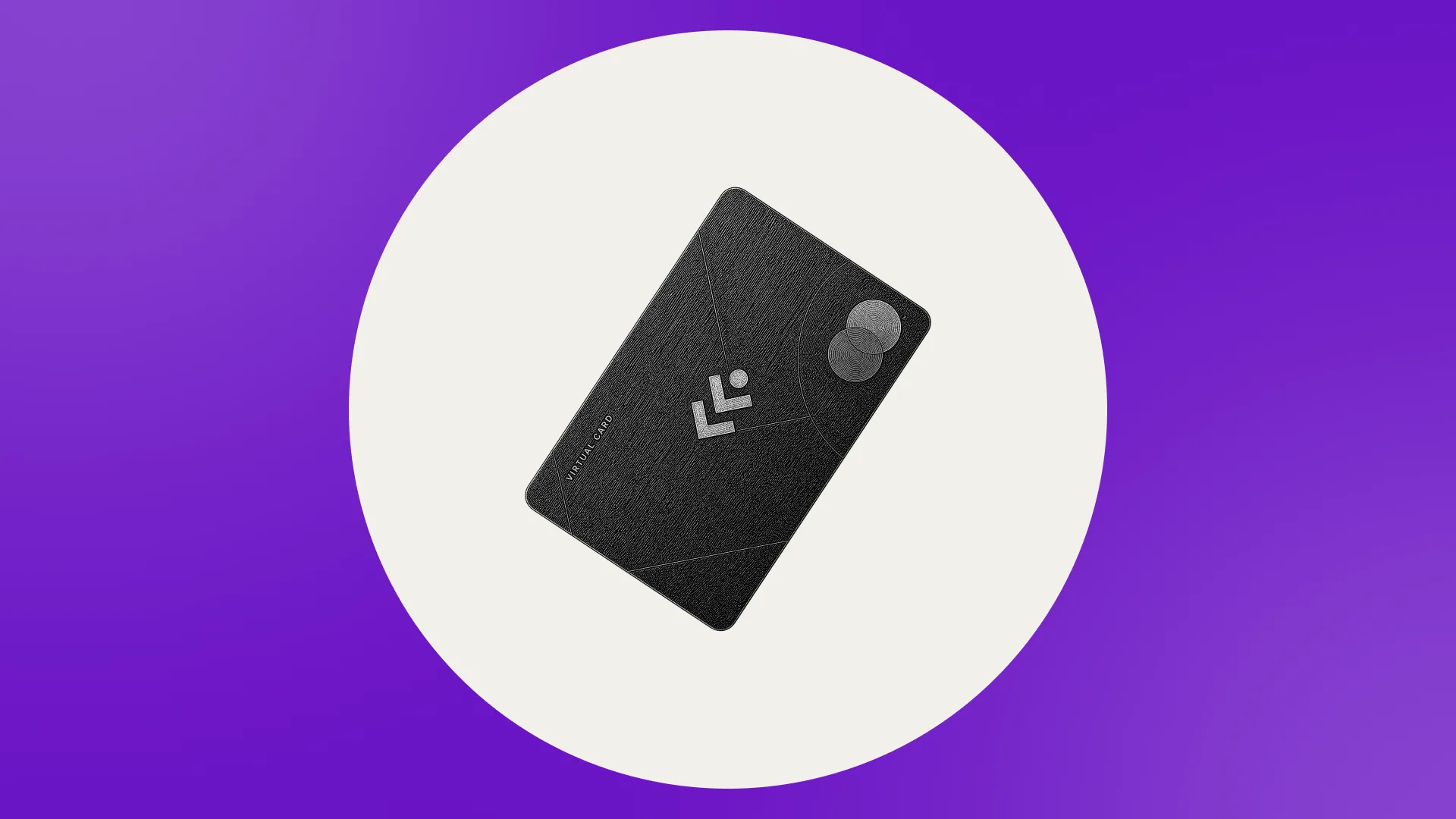
Upon approval, a virtual version of the card is issued instantly. You can add this digital card to Apple Pay or Google Pay for immediate use at physical and online merchants. The Virtual card has no annual fees or maintenance fees.
Physical Metal Card
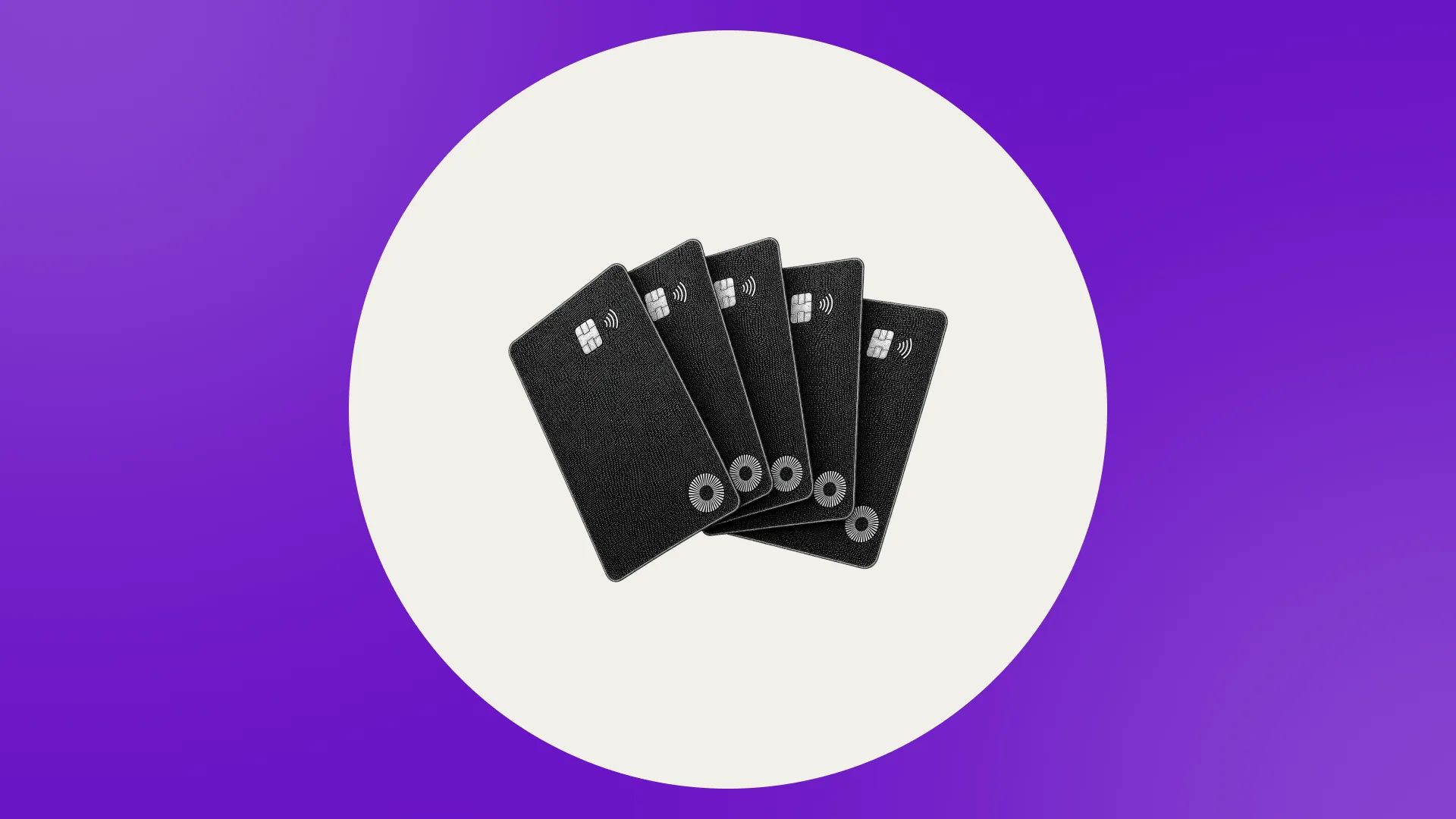
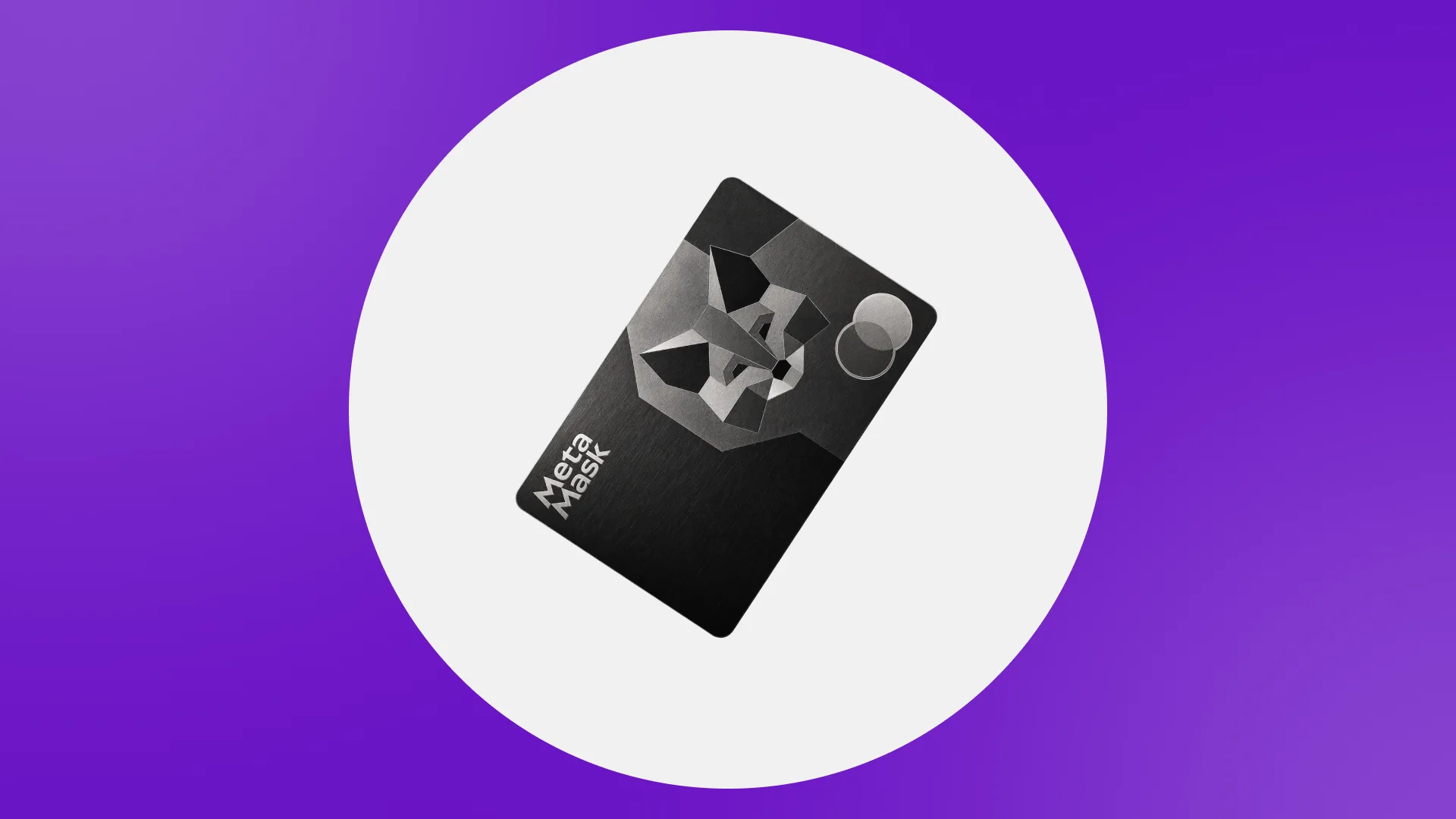
The physical card is designed with a chromatic finish, weighs 16 grams, and is accepted at over 150 million Mastercard-supported merchants worldwide. Physical metal cards ship within 6–8 weeks of your order. However, orders for the MetaMask Metal card are temporarily paused as of June 2nd, 2026. Users in eligible countries outside the US can sign up for a Virtual card today.
Feature | Virtual (Free) | Metal ($199/yr) |
|---|---|---|
Annual fee | $0 | $199 |
Cashback | 1% mUSD | 3% mUSD (first $10,000/yr), then 1% |
Cross-border fee | 1% | 0% |
Daily spending limit | $15,000 | $30,000 |
ATM withdrawal fee | 2% | Free up to $1,200/mo, then 2% |
Physical card | No | Yes (16g stainless steel) |
Current availability | EEA, Canada, LATAM, Switzerland | US only (paused) |
Sources: MetaMask official fees page and support FAQs, verified July 2026.
5. MetaMask Card Fees Breakdown
Issuance and Maintenance Fees
The MetaMask Card has an issuance fee of free and an annual fee of free on the Virtual tier. The Metal card has an annual fee of $199. There are no monthly maintenance fees on either tier.
Transaction and FX Fees
When you pay with a MetaMask Card, your crypto is converted to local currency at Mastercard's rates, with no additional MetaMask fees, and minimized network costs.
Token conversion fees vary: 0% for matching stablecoins, 0.5% for mismatched/foreign stablecoins, 0.875% for volatile assets (e.g. wETH). The cross-border fee is 1% for the Free tier, 0% for Metal (subject to fair usage).
Because MetaMask Card is loaded on-chain, frequent small top-ups add gas cost: a daily-spender profile pays about $0.80/mo in gas versus $0.04/mo for a single monthly load.
ATM Withdrawal Fees
ATM fee is 2% for Free tier; Metal tier is free up to $1,200/mo, then 2%. Metal card users and Virtual card users in the United States can withdraw cash from an ATM. At this time, Virtual card users in other regions cannot withdraw cash from an ATM.
Other Fees to Watch
Gas fees apply for setting spending limits and transactions. Each time you set or update a spending limit, you pay a small gas fee on-chain. There are no confirmed inactivity fees. Card replacement is managed through the MetaMask dashboard.
6. Rewards and Cashback Structure
Cashback Rates
Virtual card transactions earn 1% mUSD back on all eligible transactions. Metal card transactions earn 3% mUSD back on the first $10,000 spent each year (and 1% thereafter). Cashback is paid in mUSD (MetaMask USD), a stablecoin-pegged asset, and is auto-deposited to your Money Account.
MetaMask Rewards earn 1 point per $1 spent, unlocking fee discounts and future reward allocations within the MetaMask ecosystem. The points system is separate from cashback, you earn both on every transaction.
Conditions and Exclusions
You need to pay a small amount of gas to redeem your mUSD cashback, which will be quoted in the transaction confirmation. MetaMask Card Travel provides additional perks: when you book a hotel through MetaMask Card Travel, you automatically receive 4% mUSD back at checkout. If you use your Metal Card, you receive an additional 3% mUSD back, for a total of 7%.
Long-Term Value Assessment
The Virtual card's 1% cashback is cancelled out abroad by its 1% cross-border fee, netting roughly zero overseas; the Metal card waives the cross-border fee. For domestic-only spending on the Virtual tier, the full 1% return is realised. Metal's break-even versus the Virtual tier is approximately $830/month in spending, below that, the $199/yr fee costs more than the extra cashback delivers.
MetaMask Card sits among several crypto cards earning 1–3% cashback, see how it compares on our full comparison surface. View card →
7. MetaMask Card Setup: Step-by-Step Guide
Prerequisites
You can sign up natively on MetaMask Mobile (version 7.64.1 or later), or with MetaMask Portfolio. You need a MetaMask wallet with supported tokens already on a compatible chain (Linea, Base, Solana, or Monad).
KYC Verification Process
Because the MetaMask Card is bridging DeFi and traditional finance, you need to fill out KYC (Know Your Customer) while setting up your MetaMask Card. Crypto Life manages this step and will process any personal information you provide. Setting up your account involves adding an email/password, confirming your phone number, and verifying your identity through a secure KYC process.
To comply with Anti-Money Laundering (AML) and KYC requirements, users must undergo identity verification during the sign-up process. This process is handled within the MetaMask Portfolio or mobile app, typically taking only a few minutes.
While the MetaMask wallet itself does not require KYC, the card product does, this is a regulatory requirement, not an optional step.
Funding and Activating the Card
When you first set up your card, you'll be prompted to select a network and enable tokens by setting spending limits. You can do these steps later, but you won't be able to spend until you have approved tokens and set a spending limit. You can set spending limits for multiple networks at a time, and then set a priority to decide which tokens on which network should be spent in which order.
You can add MetaMask Card to Apple Wallet or Google Wallet for convenient, everyday use.
8. Geographic Availability and Eligibility
Supported Countries
MetaMask Card is currently available in: Andorra, Argentina, Austria, Belgium, Brazil, Bulgaria, Canada, Chile, Colombia, Costa Rica, Croatia, Cyprus, Denmark, Dominican Republic, El Salvador, Finland, France, Germany, Gibraltar, Greece, Guatemala, Guernsey, Hungary, Iceland, Ireland, Isle of Man, Italy, Jersey, Liechtenstein, Luxembourg, Malta, Mexico, Monaco, Netherlands, Norway, Panama, Poland, Portugal, Romania, Slovakia, Slovenia, Spain, Sweden, Switzerland, and Uruguay.
Regional Restrictions and Future Expansion
Sign-ups for the MetaMask Card in the United States are temporarily paused as of June 3, 2026. Sign-ups in the UK are also temporarily closed. As of February 2026, Vermont is the only US state where the card was not available due to local regulatory requirements.
If your country is not yet supported, MetaMask offers a waitlist. Asia and Africa are not currently covered. For readers in unsupported regions, alternative crypto cards are available, you can compare options on MyCardCompare's crypto cards category page.
9. Security and the Self-Custody Model
Non-Custodial Architecture Explained
The core security advantage is straightforward: because the MetaMask Card is a self-custody product, your crypto assets remain under your control until the moment of purchase, significantly reducing counterparty risk. If the card issuer experiences problems, your wallet and its contents are unaffected, you hold the keys.
MetaMask Card does not have custody over your tokens. Instead, you decide which tokens MetaMask Card can draw upon, and the card will never go over your spending cap.
Card Security Controls
You can freeze or deactivate your MetaMask Card instantly on the MetaMask app. Reorder your Virtual or Metal cards anytime. Your funds will stay secure in your wallet. Mastercard's standard 3D Secure protocol applies for online transactions, and chargebacks can be filed through Crypto Life support.
Risks to Be Aware Of
Gas fee variability can add friction, on congested networks, a transaction might cost more than expected. Every smart contract spending approval is a potential surface for risk; revoking unused approvals is a sensible habit. And the regulatory landscape for crypto cards continues to evolve, which is why availability changes (like the current US and UK pauses) can happen quickly.
10. Spending Limits and Card Controls
Daily and Monthly Spending Limits
Daily spending limit: $15,000 (Free) / $30,000 (Metal). The single transaction cap for the Virtual card is $10,000.
Adjusting Limits and Controls
You can set daily, weekly, or monthly spending limits in the MetaMask Card tab under Manage Limits. Pause or adjust anytime to control spending and crypto exposure. If you have delegated multiple tokens, you can set a spend priority, which tells the card which token to spend first. Once you run out of this token, the card will start drawing upon the next token in the priority list.
11. Crypto-to-Fiat Conversion at Point of Sale
The settlement uses Mastercard's mid-market exchange rate with zero MetaMask markup. When you tap your card, the exact amount of crypto needed is converted in real time, there is no pre-loaded fiat balance.
For stablecoins pegged to your local currency (e.g., EURe in the eurozone), conversion fees are 0%. Stablecoins in a non-local currency are 0.5%, and wETH is 0.875%.
Tax implications: Each card spend that converts crypto to fiat may constitute a taxable disposal event in many jurisdictions. MetaMask does not provide financial advice, and you should consult a tax professional. Spending stablecoins pegged to your local currency minimises both volatility risk and tax complexity. You can view all transactions instantly in the MetaMask Card Activity tab, and export transaction statements for crypto taxes or accounting purposes.
12. MetaMask Card Pros and Cons
Pros
- True self-custody, private keys never leave your wallet
- Accepted at 150+ million Mastercard merchants worldwide
- Multi-chain support, Linea, Base, Solana, and Monad
- Instant Virtual card issuance at no cost
- 1–3% mUSD cashback plus MetaMask Rewards points
- No pre-funding or custodial account required
- Aave-wrapped token support, spend from yield-bearing positions
Cons
- Geographic restrictions, US and UK sign-ups currently paused; Metal card orders also paused
- Gas fees add to transaction costs, especially with frequent small spends
- Tax event on every spend when using volatile assets
- KYC required, not fully permissionless
- Virtual card's 1% cross-border fee offsets cashback on international transactions
- Relatively new product, limited track record compared to established alternatives
Who Is MetaMask Card Best For?
MetaMask Card fits readers who already hold assets in a MetaMask wallet and want to spend without moving funds to a centralised exchange. Specifically:
- DeFi-native users in Europe, Canada, or Latin America who want everyday spending utility
- Privacy-conscious holders who prefer self-custody over exchange-based card products
- Stablecoin holders wanting to earn 1% cashback on domestic purchases with minimal tax friction
Not ideal for: US and UK users during the current sign-up pause, high-volume spenders who need premium rewards tiers available elsewhere, or those unfamiliar with managing wallets and on-chain gas.
See how MetaMask Card compares with other self-custody and custodial crypto cards on MyCardCompare. Compare cards →
Frequently Asked Questions (FAQ)
Which countries is the MetaMask Card available in?
MetaMask Card is currently available in over 40 countries across the EEA, Switzerland, Canada, and Latin America (including Argentina, Brazil, Chile, Colombia, Mexico, and Uruguay). Sign-ups in the US and UK are temporarily closed. If your country is not listed, you can join the waitlist via MetaMask Portfolio.
What are the MetaMask Card fees I should know about?
The Virtual card has $0 annual fee. The cross-border fee is 1% for the Free tier, 0% for Metal. Token conversion fees are 0% for matching stablecoins, 0.5% for mismatched stablecoins, and 0.875% for volatile assets like wETH. ATM fee is 2% for the Free tier; Metal is free up to $1,200/mo, then 2%. See the full fee table in Section 5 above.
Does MetaMask Card require KYC verification?
Yes. Because the MetaMask Card is bridging DeFi and traditional finance, you need to fill out KYC while setting up your card. This process is handled within the MetaMask Portfolio or mobile app, typically taking only a few minutes. You will need to provide a government ID and confirm your phone number and email.
What tokens and blockchains does MetaMask Card support?
MetaMask Card uses Linea, Solana, Base, and Monad. Supported tokens include mUSD, wETH, EURe, GBPe, USDC, and USDT, plus Aave-wrapped tokens (aUSDC, amUSD, aBasUSDC). Token availability varies by network and region.
How does MetaMask Card cashback work, and what rate do I earn?
Virtual card transactions earn 1% mUSD back on all eligible transactions. Metal card transactions earn 3% mUSD back on the first $10,000 spent each year (and 1% thereafter). Cashback is auto-deposited as mUSD to your Money Account. You need to pay a small amount of gas to redeem your mUSD cashback.
Is MetaMask Card safer than a custodial crypto debit card?
In terms of counterparty risk, yes, your assets remain in your self-custody wallet until the moment of purchase. If the card provider experiences difficulties, your wallet is unaffected. However, self-custody also means you bear full responsibility for wallet security (seed phrase management, revoking unused smart contract approvals). The self-custodial model means even a worst-case scenario only affects card access, not your assets.
Conclusion: Is MetaMask Card Worth It?
MetaMask Card occupies a distinct position in the crypto card market as one of the few genuinely non-custodial spending cards with mainstream Mastercard acceptance. It offers two tiers, Virtual (free, 1% cashback, 1% cross-border fee, $15,000/day limit) and Metal ($199/year, 3% on first $10,000/yr then 1%, 0% FX, $30,000/day limit).
The fees are competitive for a self-custody product. Domestic stablecoin spending on the free Virtual tier nets a genuine 1% return, and the conversion cost on matching stablecoins is 0%. The Metal tier removes the cross-border fee and lifts cashback to 3%, but its $199/yr cost only pays off above roughly $830/month in spending, and orders are currently paused.
The biggest limitation is availability. With US and UK sign-ups temporarily closed and the Metal card on hold, the product is most accessible to users in the EEA, Canada, Switzerland, and Latin America right now.
Best for: Existing MetaMask and DeFi users in supported European or LATAM regions who want to spend crypto, especially stablecoins, without handing custody to an exchange.
Wait and see: Users in the US, UK, or regions outside current coverage, or anyone who prioritises the highest possible reward rates.
Look elsewhere: Readers who want a physical card with premium perks today, or who are uncomfortable managing on-chain gas and spending approvals.
MetaMask Card is rated and tracked on MyCardCompare alongside other crypto debit cards. For a side-by-side view of fees, cashback, and availability, see the card's full profile.