

COCA Card Review 2026: Fees, Cashback, Tiers, and How It Compares
The COCA Card is a non-custodial crypto debit card offering 1–8% stablecoin cashback across 6 tiers, 0% FX fees, and up to 5% APY on USD balances, with no annual fee. It is issued by Wirex and uses Privy-powered smart contract wallets (ERC-4337/EIP-7702) to let you spend stablecoins while retaining control of your funds. Additional features include 50% subscription rebates, a personal EUR IBAN with SEPA transfers, and $200/month in free ATM withdrawals. However, reaching the headline 8% cashback rate requires holding 30,000 $COCA tokens, a small-cap, volatile asset, and cashback is capped by monthly spending allowances that reset each month.
This review covers every detail across 200+ crypto cards compared on MyCardCompare, updated weekly: tiers, fees, cashback mechanics, APY, the $COCA token, security model, and how the card compares to alternatives like Wirex and ether.fi.
See how the COCA Card stacks up against other crypto debit cards on fees, cashback, and yield. View card →
1. What Is the COCA Card?
COCA is a non-custodial crypto wallet that uses Multi-Party Computation (MPC) cryptography in place of seed phrases, paired with a debit card issued in partnership with London-based Wirex. The wallet and card combination was unveiled in January 2024 and is available across the UK, EEA, and selected APAC and LATAM markets.
COCA 3.0, launched in April 2026, is positioned as a self-custodial banking app combining EUR IBAN accounts, a Visa card, real-time APY, and up to 8% cashback. Unlike neobanks, COCA keeps users in full ownership of their funds through non-custodial architecture.
The core differentiator is straightforward: COCA cannot access, freeze, or move your funds. Each card transaction requires your wallet's authorization for the specific amount. This is fundamentally different from custodial exchange cards where the exchange holds your balance.
Quick-glance card specs:
Spec | Detail |
Card network | Visa or Mastercard (region-dependent; issued via Wirex) |
Supported stablecoins | USDT, USDC, EURC, EURS |
Supported fiat | EUR (IBAN/SEPA) |
Available regions | 75 countries as of July 2026 (Europe, APAC, LATAM, Africa) |
App platforms | iOS and Android |
Mobile wallets | Apple Pay and Google Pay |
2. COCA Card Tiers and Membership Levels
COCA's loyalty program is built around 6 tiers, each requiring different amounts of $COCA tokens to be held. To unlock higher tiers, you simply hold the required amount of $COCA in your COCA Wallet. Once your balance meets a tier threshold, that tier is activated automatically, no manual staking or lock-ups required.
Tier Breakdown at a Glance
Tier | $COCA Required | Cashback Rate | Monthly Allowance | Subscription Rebate Categories |
Starter | 0 | 1% | — | — |
Standard | 300 | 3% | $1,000 | 1 (Video Streaming) |
Standard+ | 1,000 | 4% | $1,750 | 2 (+ AI Assistants) |
Premium | 3,000 | 5% | $2,500 | 3 |
Premium+ | 10,000 | 6% | $5,000 | 3 (+ Music) |
Elite | 30,000 | 8% | $10,000 | 4 (all categories) |
All rates above apply within each tier's monthly allowance. Above the allowance, all tiers earn 1%.
How to Upgrade Your Tier
To unlock higher tiers, simply hold the required amount of $COCA in your COCA Wallet. Once your balance meets a tier threshold, that tier is activated automatically.
If your $COCA token balance falls below the requirement for your current tier, your benefits remain active for 30 days. After that period, if your balance is still below the threshold, you are automatically downgraded to the next eligible tier.
Keep in mind that staked tokens are locked for the duration of your tier membership. To unstake, you cancel your tier (downgrade to Starter) and wait 30 days before claiming tokens. No partial unstaking is allowed.
3. Cashback Rewards and Benefits
Everyday Purchase Cashback
COCA Card offers 1–8% cashback, with higher rewards available to users who hold $COCA tokens and unlock loyalty tiers. At the highest tier, cashback can go as high as 8%, which places it among the highest cashback rates in the crypto card space.
Cashback is paid in stablecoins and is distributed by the 10th of each month. Cashback is credited in stablecoins (e.g., USDC, EURC) to the user's self-controlled accounts.
A realistic note: while COCA promotes up to 8% cashback, entry-level users qualify for 1% cashback, capped at €300 per month. That said, this still exceeds the competitor average of €50 per month for entry-level users.
Subscription and Lifestyle Perks
COCA offers 50% cashback on popular subscription services, including Netflix, Spotify, ChatGPT, and YouTube Premium, with higher tiers unlocking more options. Each subscription category allows 1 service at 50% rebate, with a $70/month cap per service.
COCA also provides access to the COCA Travel platform, where users can book hotels with discounts of up to 50% on standard rates.
Crypto Rewards vs. Fiat Cashback
Because COCA pays cashback in stablecoins (USDC or EURC) rather than a volatile native token, rewards maintain their fiat-equivalent value, a meaningful difference from competitors paying in tokens like CRO or WXT, whose value fluctuates with market conditions. Cashback is settled monthly, not instantly, so factor in that timing. Recipients should consult a qualified tax professional about the tax treatment of crypto rewards in their jurisdiction.
4. COCA Card Fees and Charges
Foreign Exchange (FX) Rates and Conversion Costs
COCA charges a Foreign Exchange fee of 0%, compared to the crypto card industry average of 1.5%. This is one of the card's clearest advantages. For example, spending €100 abroad incurs no FX markup on the card's side.
However, while there's no explicit fee for crypto-to-fiat conversion, there is typically a spread of around 0.5% built into the exchange rate. On €1,000 in monthly spending, that spread costs approximately €5, still competitive versus the industry average of ~1.5%.
ATM Withdrawal Fees
COCA offers up to $200 in fee-free ATM withdrawals globally. Note that official COCA documentation shows conflicting information regarding ATM withdrawal allowances, $200 vs. $250 monthly, so verify the current figure in the app before withdrawing.
A local EUR ATM withdrawal of €200 in USDT costs approximately ~€8.18 total (4.1% of €200) when factoring in the conversion spread. International withdrawals are more expensive at ~€14.15 (7.1% of €200).
Card Issuance, Maintenance, and Other Fees
All tiers share: $0 annual fee, free virtual card, 0% FX fees, and 0% trading fees. The physical card costs $20 for Starter, Standard, and Standard+ tiers; it is free for Premium, Premium+, and Elite. COCA subsidizes gas fees, so users pay effectively 0% on-chain transaction fees.
No inactivity fees have been documented. Top-up via SEPA bank transfer and stablecoin deposits are free; debit/credit card top-ups may incur third-party payment processor fees.
Comparing COCA's fee structure against other crypto cards? View the full breakdown side by side. View card →
5. Self-Custody Wallet Architecture and Security
How the Self-Custody Model Works
COCA uses Privy-powered smart contract wallets (ERC-4337/EIP-7702) where you control your funds. This hybrid self-custody model offers enhanced security through biometric authentication and elimination of seed phrase vulnerabilities, while maintaining user control over funds.
An important nuance: this model differs from traditional hardware wallet or seed phrase-based self-custody in terms of independence and portability. Users do not normally manage a traditional seed phrase, and practical independent control depends on whether they can view/export and use the wallet outside COCA. Some reviewers classify this as "app-mediated self-custody" rather than full independent self-custody.
Security Features
- PCI DSS and ISO compliant. 3DS for online transactions. Freeze/unfreeze in-app.
- Wallet security infrastructure is SOC 2 Type I and Type II certified, with third-party audits by Cure53, Zellic, and Doyensec. A bug bounty program is active.
- Private key export is available, though the process is irreversible, users lose COCA wallet access after exporting.
- Card issuer: Wirex Limited (FCA-regulated, UK) and UAB Wirex (licensed, EEA).
- All cards include EMV chip technology, contactless payment capability, and PIN protection, along with 3D Secure for online transaction security.
Note that cryptocurrency is not covered by traditional deposit insurance (e.g., FSCS, FDIC) in most jurisdictions.
6. How Spending Works. Transaction and Pre-Load Flow
The transaction flow works in clear steps:
- Hold stablecoins: deposit USDT, USDC, EURC, or EURS into your COCA smart wallet, or fund via SEPA bank transfer into your EUR IBAN.
- Automatic conversion at point of sale: your crypto is automatically converted to fiat at the time of purchase.
- Merchant receives fiat: the payment settles through the Visa/Mastercard rails as a normal card transaction.
- Cashback accrues: cashback is distributed by 23:59 CET on the 10th of each month, covering transactions from the prior calendar month.
Top-up options include SEPA bank transfer (via your personal IBAN), debit/credit card top-up, or stablecoin deposit. The daily spending limit is €30,000.
7. Stablecoin Yield and APY on Card Balance
APY Rates and Supported Assets
As of the last update of COCA's terms, APY on USD balances is 5%. EUR balances do not earn APY. APY accrues in real time on your spendable balance. No lock-ups. No staking. The moment money lands in your account, it starts earning.
APY caps vary by tier, Starter is capped at $5,000; higher tiers raise the cap, with Elite earning on an unlimited balance. A rate of 2% APY may apply to amounts exceeding the cap. APY rewards are earned in real time and credited upon a manual claim.
Risks and Considerations
The yield comes from Morpho lending markets managed by Gauntlet, not from COCA subsidizing rates. This provides transparency about yield sources, but it means users bear smart contract risk on the Morpho protocol. All APY figures are variable and subject to market conditions.
For context, typical European bank savings accounts currently offer 1–3% APY, making COCA's 5% rate competitive, though it carries DeFi-specific risk rather than deposit insurance.
8. The $COCA Token. Utility, Staking, and Risk
Token Utility
The $COCA token serves as the key to COCA's tier system. By holding $COCA tokens, users unlock higher cashback tiers with better rates and exclusive perks. Staked tokens also grant veCOCA for platform governance.
Users can buy $COCA directly on MEXC and BitMart, or through decentralized exchanges like Uniswap or 1inch.
Staking Mechanics
Tier upgrades take effect almost immediately upon holding the required COCA tokens. Users can downgrade at any time, but a 30-day cooldown period applies before they can upgrade again, and tokens are only returned after this period ends.
Token Risk Considerations
This is the critical trade-off. The entire risk-reward calculation hinges on $COCA token exposure: stake zero tokens at Starter and get solid baseline features, or stake $COCA and unlock one of the strongest reward packages in crypto.
COCA hit an all-time high of $1.65 in January 2026 and trades around $1.12 as of recent data. The token is small-cap, traded on MEXC, BitMart, and DEXes. At the Elite tier, that's 30,000 tokens, a significant position in a micro-cap asset whose value could drop meaningfully during a market downturn. Crypto values fluctuate, and the real cost of tier benefits must account for potential token depreciation.
9. Physical vs. Virtual Card Options
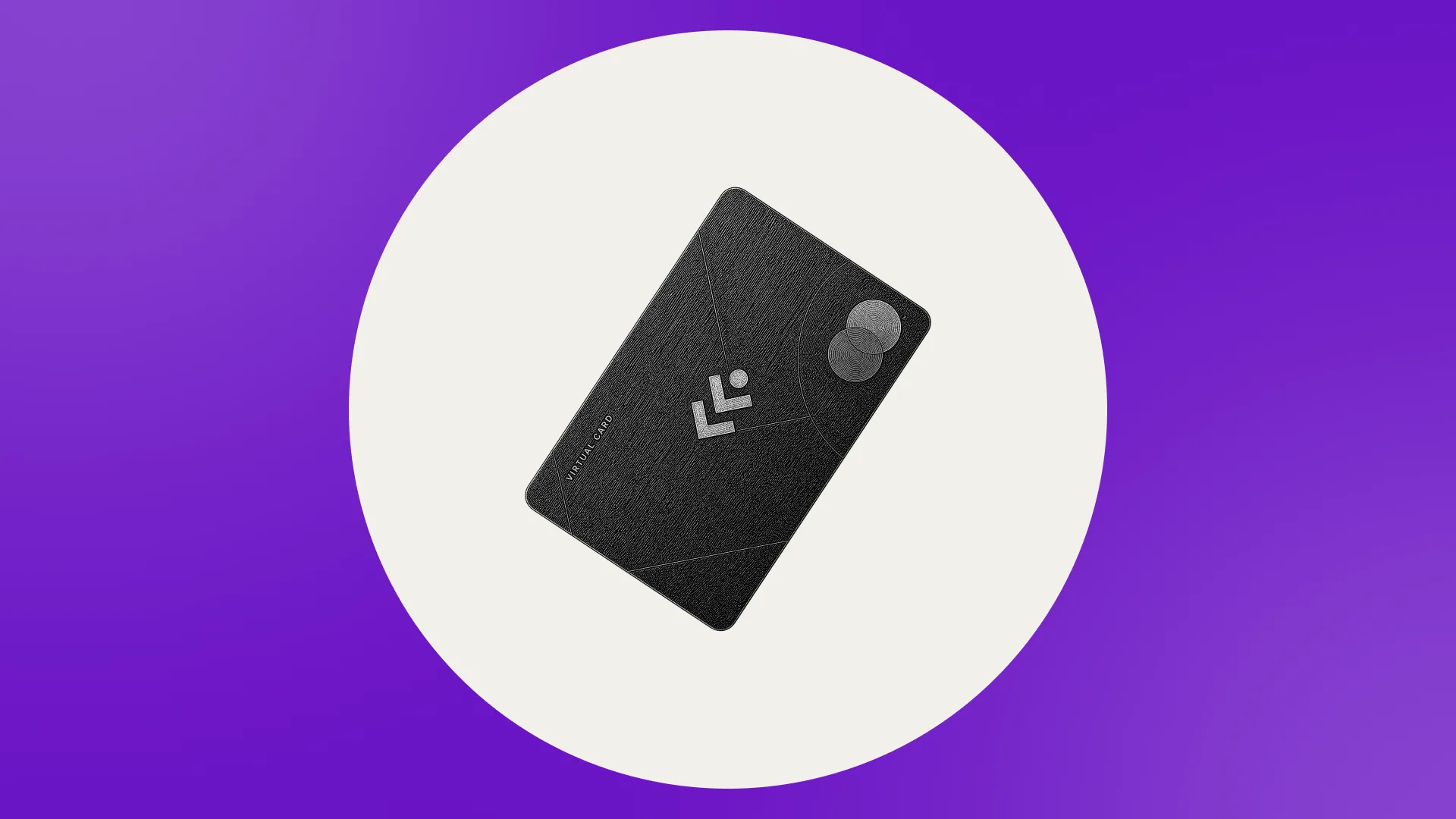
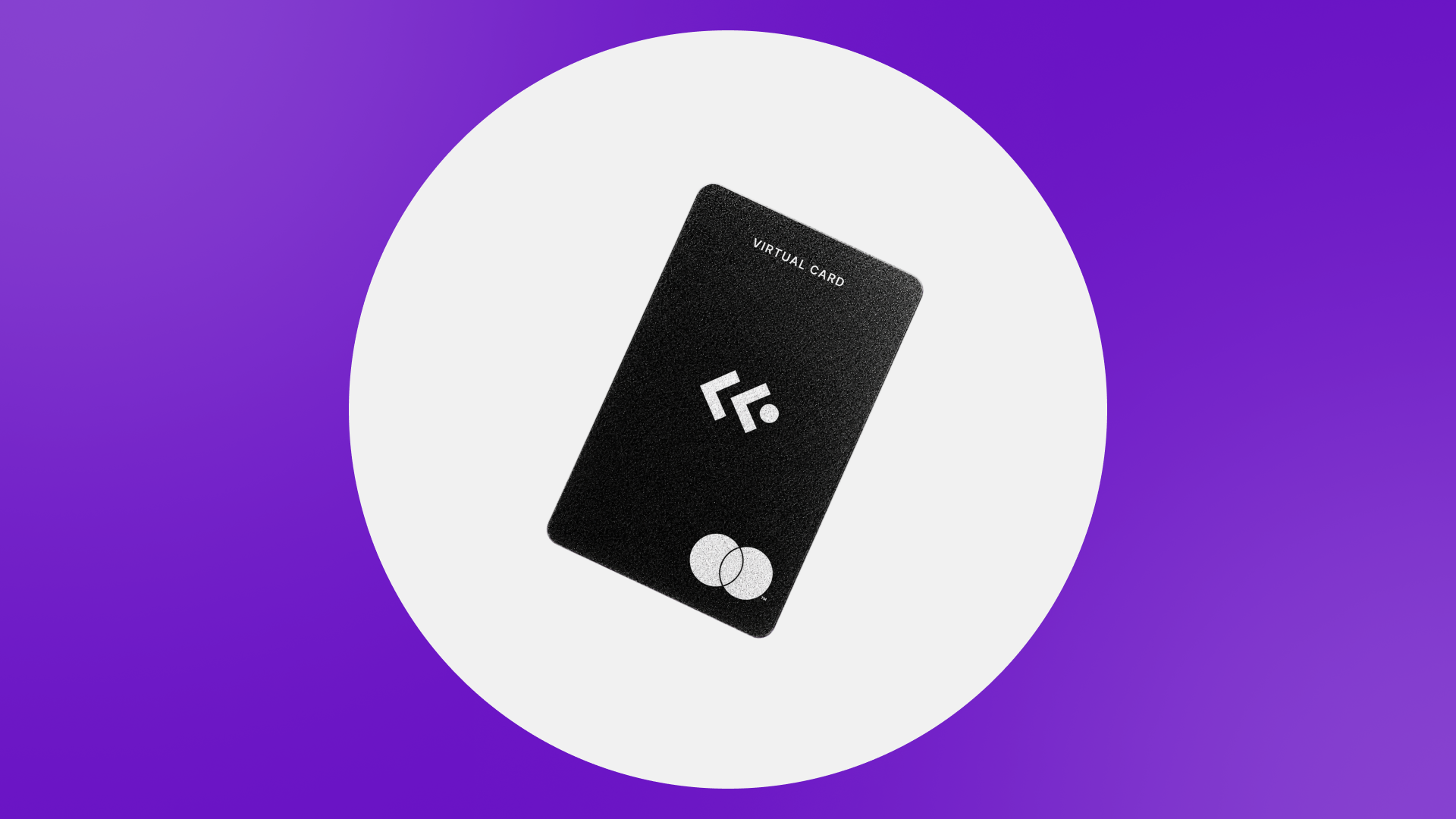
COCA provides both physical and virtual card versions. The virtual card is available instantly after completing KYC identity verification, while the physical card is mailed to your address.
- Virtual card: Free for all tiers, instant issuance. Suited for online purchases, subscriptions, and mobile-wallet spending.
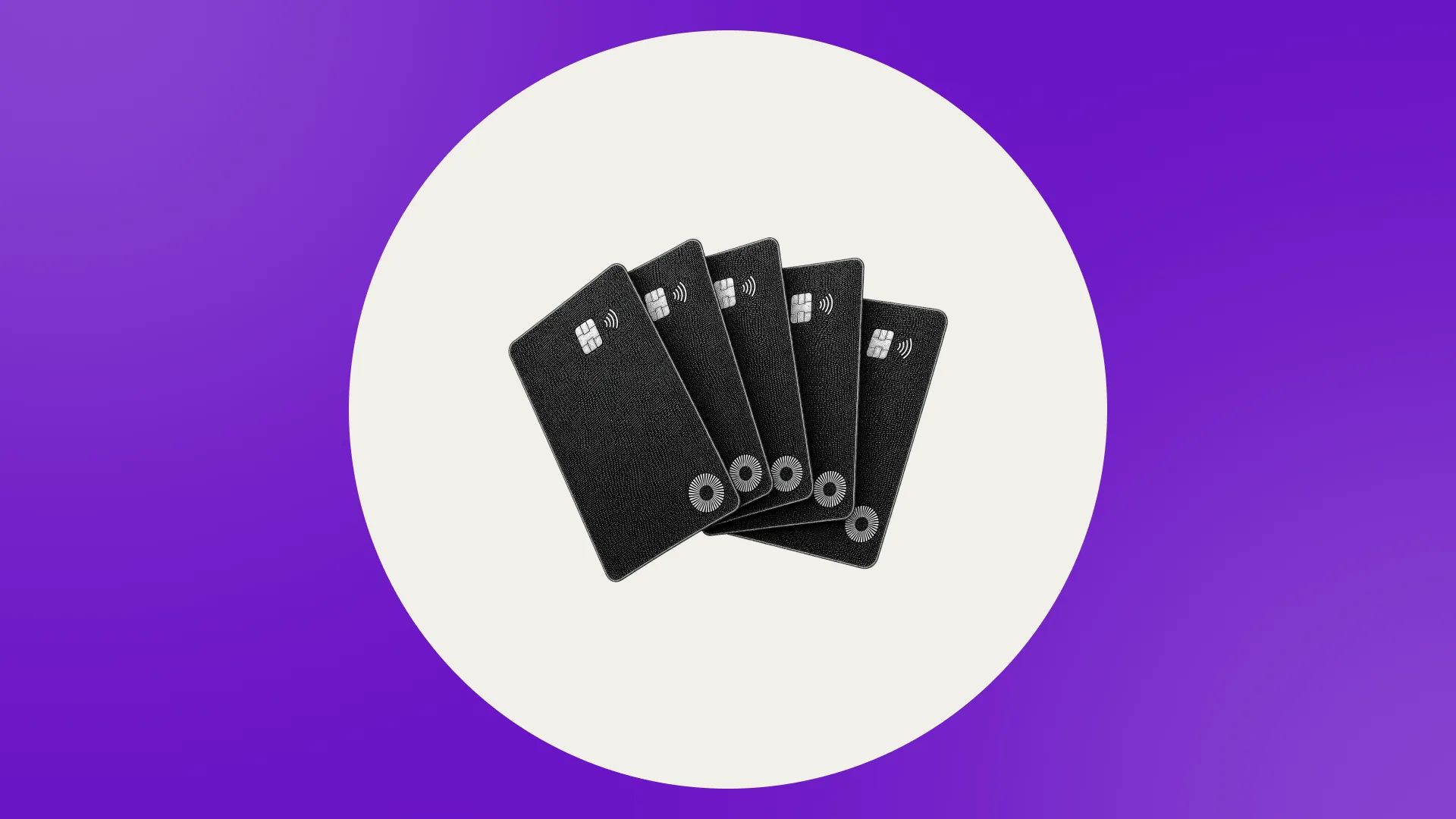
- Physical card: $20 for Starter/Standard/Standard+ tiers; free for Premium/Premium+/Elite. Features a standard Wirex-branded plastic design with EMV chip, contactless payment, and PIN protection.
- The card supports Apple Pay and Google Pay for contactless payments.
Replacement card costs are not clearly documented, contact COCA support for current terms.
10. COCA Card vs. Competitors
COCA Card vs. Wirex
Both cards are issued through Wirex infrastructure, but they differ substantially in model and costs.
Wirex is a custodial Visa debit card offering 0% FX fees, with tiered Cryptoback rewards from 0.5% (free) to 8% (Elite Ultimate with 7.5M WXT lockup). Higher cashback requires paid subscriptions, Premium at €9.99/month or Elite at €29.99/month, plus holding/staking WXT tokens.
COCA charges no monthly subscription at any tier, and cashback is paid in stablecoins rather than a volatile native token. Wirex, however, has a longer track record (since 2014) and broader geographic reach.
COCA Card vs. Holyheld and ether.fi Card
Holyheld is fully non-custodial and supports 20+ networks, but offers only 0.5–1% USDC cashback with high upfront fees. Holyheld charges 2.5% + €1 on international payments and €1 per domestic ATM withdrawal, significantly more than COCA's 0% FX.
The ether.fi Card offers 3% cashback with a non-custodial design and a credit (borrow) mode that avoids triggering taxable disposals. However, cashback drops as monthly spend increases, and it does not offer stablecoin yield on card balances.
Summary Comparison Table
Feature | COCA | Wirex | Holyheld | ether.fi |
Custody model | Non-custodial (MPC) | Custodial | Non-custodial | Non-custodial (Gnosis Safe) |
FX fee | 0% | 0% | 2.5% + €1 (intl.) | 0% |
Cashback | 1–8% (stablecoin) | 0.5–8% (WXT) | 0.5–1% (USDC) | Up to 3% |
APY on balance | 5% (USD) | Variable (X-Accounts) | None | Via vault yield |
Monthly subscription | €0 | €0–€29.99 | Varies by tier | €0 |
Token staking required | Optional (for higher tiers) | WXT lockup for top tiers | No | Points-based |
COCA is strongest for users who already hold or plan to accumulate $COCA tokens and want stablecoin-denominated cashback with DeFi yield. Wirex suits multi-currency travelers who prefer a longer-established platform. The ether.fi Card appeals to ETH holders seeking a borrow-to-spend model.
11. Eligibility, Requirements, and Regional Availability
- KYC: Full identity verification, government ID, selfie/liveness check. COCA requires full KYC.
- Age: 18+
- Available regions: Available in Europe, Asia-Pacific, Latin America, and Africa, coverage varies by region. Not available in the United States. Not available in Canada.
- Device requirements: iOS or Android smartphone running the COCA app
- Residency: COCA requires residency in a supported country. Sanctioned countries and high-risk jurisdictions are excluded.
- EEA users get a personal IBAN to receive salary and pay bills directly inside COCA.
Always verify your country's eligibility directly on coca.xyz before applying, as coverage can change.
12. Real User Reviews and Customer Support Experience
Reviewers mostly like COCA for being easy to use, especially its clean interface, simple crypto management, and MPC setup that removes seed-phrase hassle. Several also praise fee-free or low-fee swaps, good rates, and the card concept.
On the negative side, detailed feedback points to friction: one user hit card-loading problems tied to needing BNB and unclear fees, while others want better card support, a gas-payment option, and tax export tools.
The Google Play rating sits at 4.4/5 stars with 500K+ downloads, though recent reviews (April 2026) highlight concerns about post-migration issues and missing transactions following the COCA 3.0 upgrade.
Customer service responses are mixed, some agents are very competent, while others are not. Support channels include in-app live chat, email, and community channels on Discord and Telegram. Support is generally seen as responsive when issues arise.
Ready to compare COCA's tier and fee structure against other crypto cards? Compare cards →
Frequently Asked Questions
What fees does the COCA Card charge?
All COCA Card tiers share $0 annual fee, a free virtual card, 0% FX fees, and 0% trading fees. There is no explicit crypto-to-fiat conversion fee, though a spread of around 0.5% is built into the exchange rate. ATM withdrawals are free up to $200/month; fees apply after that. Physical card issuance costs $20 for the 3 lowest tiers and is free for Premium and above.
How does COCA Card cashback work and what rate do I earn?
There are 6 tiers: Starter (1%), Standard (3%), Standard+ (4%), Premium (5%), Premium+ (6%), and Elite (8%). These rates apply within each tier's monthly allowance ($1K–$10K). Above the allowance, all tiers earn 1%. Cashback is credited in stablecoins (USDC or EURC) and distributed by the 10th of each month.
Is the COCA Card available in my country?
COCA is available in 75 countries as of July 2026, covering Europe, APAC, LATAM, and Africa. It is not available in the United States or Canada. Check coca.xyz directly for the full list, as availability changes.
What APY can I earn on my COCA Card balance?
APY on USD balances is currently 5%, accruing in real time with no lock-ups. EUR balances do not earn APY. APY figures are variable and subject to market conditions, yield is sourced from Morpho lending markets, which carry smart contract risk. Verify live rates in the app.
Do I need to stake $COCA tokens to use the card?
No. All new users automatically start with the Starter tier. No COCA staking is required for Starter tier benefits. You can earn 1% cashback and 5% APY immediately. However, upgrading to higher tiers, with higher cashback rates, more subscription rebates, and larger APY caps, requires holding 300–30,000 $COCA tokens.
How does the COCA Card compare to Wirex?
Both cards are issued through Wirex infrastructure, but COCA is non-custodial while Wirex is custodial. Wirex's headline 8% Cryptoback rate demands an Elite plan at €29.99/month plus 7.5 million locked WXT. COCA achieves 8% cashback at its Elite tier with 30,000 $COCA tokens and no monthly subscription fee. COCA pays cashback in stablecoins; Wirex pays in its native WXT token. For a full dimension-by-dimension breakdown, see the comparison section above.
13. Conclusion. Is the COCA Card Worth It?
The COCA Card packages non-custodial ownership, stablecoin cashback (1–8%), real-time 5% APY on USD balances, and 50% subscription rebates into a single product with 0% FX fees and $0 annual costs. That combination is difficult to match in a single card.
Best-fit user profiles:
- Self-custody advocates who do not want to hand keys to a custodian
- DeFi-native users already holding stablecoins and seeking passive yield from their spending balance
- Frequent travellers in Europe and supported regions wanting 0% FX with stablecoin cashback
Caution flags:
- Cashback and tier benefits are tied to $COCA token holdings, a volatile, small-cap asset whose price risk should be factored into any tier upgrade calculation
- Not available in the US or Canada, with regional restrictions that may limit features even in supported countries
- COCA 3.0 is a newer product; some users have reported migration issues and inconsistent customer support responses
The Starter tier, with 1% cashback, 0% FX, and 5% APY on up to $5,000, carries zero token risk and represents a competitive baseline for anyone testing the card. For higher tiers, run the numbers on $COCA token exposure before committing.
To compare the COCA Card against other crypto debit cards on fees, cashback, and availability, view the full comparison on MyCardCompare's crypto cards page.