


Gnosis Card
#144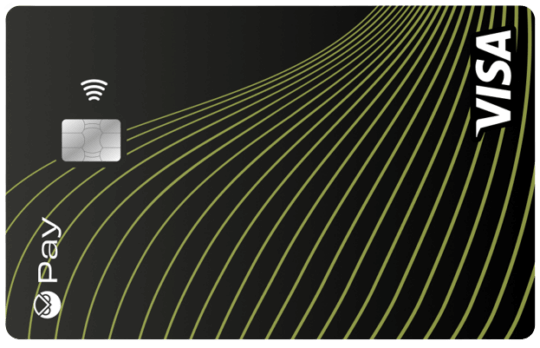
A genuinely fee-free self-custody crypto debit card with competitive cashback tiers. The main catch is that rewards are paid in GNO and scale with token holdings. Best for Gnosis ecosystem users in Europe.
Get Gnosis CardAvailability
Rewards rate
Up to 5%
FX fee
0%
Savings
0.0
Availability
38 countries
Gnosis CardMain perks
Bonus offers
Rewards
Pros
Cons
Options to Gnosis Card


FAQs
Questions, answered
The Gnosis Pay Card is a self-custodial Visa debit card that connects an on-chain Safe smart account to everyday card payments. It is designed so users can hold supported stablecoins in their own blockchain account and spend them at ordinary Visa merchants.
The card uses Gnosis Pay's payment infrastructure and Gnosis Chain. When a purchase is authorised, supported assets in the user's Gnosis Pay Safe provide the value for conventional card settlement.
This structure makes Gnosis Pay different from exchange-issued crypto cards. Users retain on-chain control of funds in the Safe rather than preloading a custodial exchange card balance, while the merchant still receives a normal card payment.
Yes. Self-custody is one of Gnosis Pay's defining features. Card funds are held in a Gnosis Pay Safe, a smart-account structure based on Safe technology, rather than in a conventional custodial exchange wallet.
Users control the on-chain account and can view transactions directly on the blockchain. Gnosis Pay's card infrastructure obtains the permissions needed to process eligible card payments without turning the user's entire balance into a centrally held card account.
Self-custody still creates responsibility for wallet security and account recovery. The Visa transaction and fiat settlement also rely on regulated payment partners, so the card combines self-custodial crypto infrastructure with conventional financial rails.
Gnosis Pay focuses on supported stable-value assets held on Gnosis Chain rather than allowing every token in a wallet to be spent directly. The available spending assets are displayed in the Gnosis Pay interface and can evolve as the product adds support.
Euro-denominated stable assets are particularly important to the European card programme because they reduce the need for currency conversion when purchases are settled in euros. Supported dollar stablecoins can also be relevant depending on the current configuration.
Before bridging or transferring assets specifically for card use, check the live supported-token list and network. Holding an unrelated token in the same wallet does not automatically make it available for card authorisation.
Gnosis Pay charges for card issuance according to the current card option and delivery programme shown during onboarding. Pricing has changed as the product has expanded, so users should rely on the live checkout rather than an older fixed launch price.
There is no need to prepay a conventional monthly custodial card balance simply to keep the Safe open. Other costs can arise from card issuance, replacement, foreign exchange, ATM use or blockchain actions depending on the transaction.
For comparison purposes, users should calculate the full cost of the card plus any FX and ATM charges relevant to their spending pattern. Gnosis Pay's Help Centre and checkout provide the current amounts.
Gnosis Pay has offered cashback through the Gnosis Pay Rewards programme, with benefits linked to conditions such as holding or locking qualifying GNO and using the card for eligible purchases.
The effective reward rate depends on the current rewards programme and the user's qualification level rather than one permanent universal percentage for every cardholder. Reward terms can change as the programme evolves.
Users considering Gnosis Pay mainly for cashback should check the live Rewards page and calculate the opportunity cost of any GNO requirement. The card's self-custodial structure can still be valuable even when a user does not qualify for the highest reward tier.
Gnosis Pay's costs depend on the card, transaction currency and use case. Users should check current issuance, replacement, foreign-exchange and ATM pricing in the official Help Centre and card account.
One advantage of the model is that supported on-chain assets can remain in the user's Safe until they are needed for spending, rather than requiring repeated custodial card top-ups. Blockchain transfers or swaps used to obtain the supported spending asset can still have their own costs.
Merchant or ATM operators can also impose third-party charges. For international use, compare Gnosis Pay's conversion treatment with any dynamic currency conversion offered by the merchant or ATM before confirming.
Yes. The physical Gnosis Pay Visa card supports withdrawals at compatible ATMs, subject to the card's current withdrawal limits and regional rules.
ATM fees can come from Gnosis Pay's card programme and from the ATM operator. Currency conversion can add another cost when withdrawing in a currency different from the relevant card or stablecoin settlement currency.
Users who plan to rely on Gnosis Pay for travel cash should review the current ATM allowance and limits in the Help Centre before departure. Self-custody of the underlying Safe does not remove the conventional restrictions that apply when cash is dispensed through the Visa network.
Gnosis Pay supports major mobile-wallet functionality for eligible cards and regions, allowing cardholders to use compatible devices for contactless Visa payments.
Mobile-wallet provisioning is separate from the self-custodial Safe. Adding the card to Apple Pay or Google Pay creates a tokenised payment credential, while the supported on-chain assets in the Safe continue to provide the spending value.
Availability can depend on country, device and the specific issued card. Users should follow Gnosis Pay's current wallet setup instructions if enrolment is unavailable rather than assuming there is a problem with the underlying blockchain account.
Gnosis Pay card eligibility is based on residence and the jurisdictions supported by its card programme. The product initially focused on Europe and has expanded its coverage over time.
Applicants need to complete the required identity and residency verification even though the underlying spending account is self-custodial. A permissionless blockchain wallet does not remove the compliance obligations associated with issuing a Visa card.
Country support can change, so users should check the live application page before moving funds specifically for the card. Being able to use Gnosis Chain or Safe does not automatically mean the card can be issued in the user's country.
Yes. Gnosis Pay requires identity verification for card issuance. This can surprise users who associate self-custody and DeFi with permissionless access, but the Visa card itself operates through regulated payment infrastructure.
Applicants should expect to provide personal and residency information and the identity documents requested during onboarding. The exact process depends on jurisdiction and can be updated by the card provider.
KYC applies to the card programme rather than to the general ability to use Gnosis Chain. Users should submit documents only through Gnosis Pay's official application flow and should never provide a Safe recovery phrase or private key to support.
Gnosis Pay provides digital card access as part of its card experience, allowing eligible users to view card details and use supported digital-wallet payments without relying solely on the physical card.
The exact sequence for virtual activation and physical delivery depends on the current programme. Digital access can be useful for ecommerce and mobile payments while the physical card is being delivered.
A virtual credential does not change the underlying Safe or supported spending assets. Users should manage card details through the official Gnosis Pay interface and freeze or replace the card promptly if the payment credentials are compromised.
Yes. Gnosis Pay offers a physical Visa card for eligible users. The physical card supports normal point-of-sale use and compatible ATM withdrawals while drawing spending value from the user's Gnosis Pay Safe.
Card design, issuance pricing and delivery conditions can change, so the current checkout should be used for the final cost and shipping estimate.
The physical card is particularly useful for merchants that do not support mobile wallets and for cash withdrawals. Users who mainly shop online can still benefit from the digital card experience without waiting for every physical-card use case.
Yes. Once issued, the Gnosis Pay Visa card is designed for international use wherever Visa is accepted, subject to merchant, network and compliance restrictions.
The user does not need the merchant to accept stablecoins or interact with Gnosis Chain. Gnosis Pay handles the connection between the supported on-chain spending assets and conventional card settlement.
Foreign-currency purchases can involve conversion costs depending on the card's current terms and the assets held in the Safe. Travellers should check FX and ATM pricing before departure and carry a backup payment method because individual Visa authorisations can still fail.
Open the official Gnosis Pay application, confirm that your country is supported and complete the required identity verification. The onboarding flow creates or connects the Gnosis Pay Safe used for card spending.
Choose the available card option, pay any current issuance or delivery fee and fund the Safe with a supported spending asset on the correct network. The card can then be activated and managed through Gnosis Pay.
Users should understand Safe recovery and wallet security before depositing a significant balance. Never share a recovery phrase or private key with anyone claiming to be Gnosis Pay support.
Gnosis Pay is particularly compelling for users who value self-custody. Supported stablecoins can remain in an on-chain Safe while still providing access to ordinary Visa payments, which is fundamentally different from depositing crypto into a centralised exchange card account.
Its potential rewards programme and mobile-wallet support add convenience, while the main trade-offs are the extra complexity of blockchain funding, supported-asset requirements and country-specific card fees.
Users who already operate on Gnosis Chain or understand Safe accounts may find the model attractive. Those who prioritise the simplest possible card experience may prefer a custodial product. Compare current issuance, FX and ATM costs before deciding.