


Cryptopay Card
#129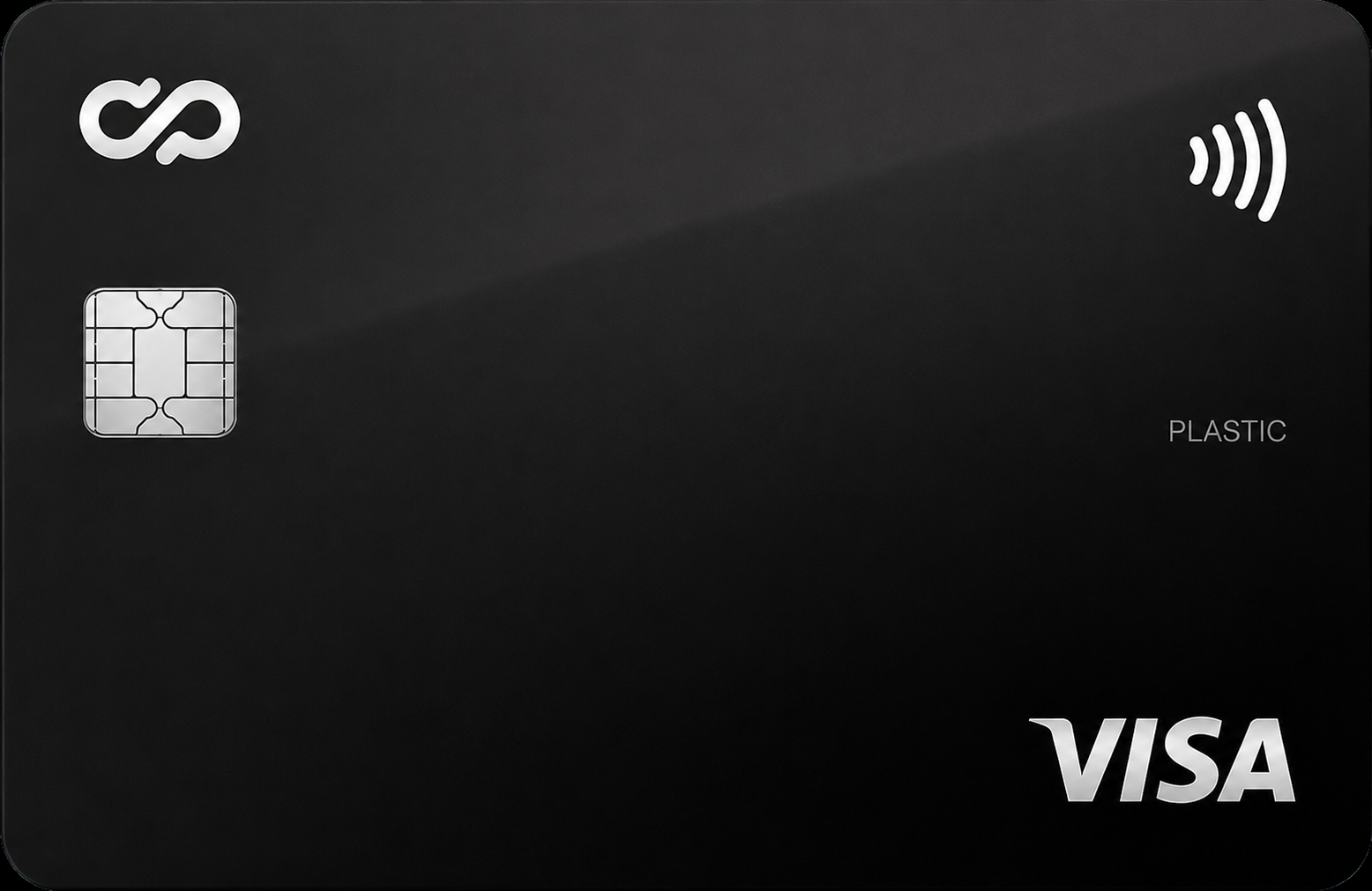
A no-frills UK crypto prepaid card with a wide asset selection but zero rewards, a monthly fee, and a steep FX charge. Best for UK residents who already use the Cryptopay platform and want simple crypto-to-sterling spending.
Get Cryptopay CardAvailability
Rewards rate
None
FX fee
3%
Savings
0.0
Availability
1 country
Cryptopay CardMain perks
Bonus offers
Rewards
Pros
Cons
Options to Cryptopay Card




FAQs
Questions, answered
The Cryptopay Card is a Visa debit card linked to the Cryptopay crypto and fiat wallet. It lets eligible users load a separate card balance and spend through the Visa network rather than requiring merchants to accept cryptocurrency.
Cryptopay currently advertises both virtual and plastic cards. The virtual version is aimed at online spending, while the physical version supports in-store payments and cash withdrawals at compatible ATMs.
The card uses its own funded balance, so users spend only the amount they have loaded. Cryptopay's current website also highlights support for more than 40 crypto and fiat currencies across its wider wallet, although the exact assets and card-funding routes available can depend on the account and region.
The Cryptopay Card works from a separate card balance. Users load money onto the card from their Cryptopay account and then use that balance for Visa purchases.
If crypto is used to fund the card, Cryptopay converts the relevant value before it reaches the card balance. The merchant receives a normal fiat Visa payment rather than cryptocurrency. This structure gives users more control over how much is exposed to card spending because the card does not automatically spend every asset held in the wider wallet.
Physical cards support ordinary point-of-sale use and ATMs, while virtual cards are designed mainly for online payments. Available features, due-diligence limits and card terms can vary by programme.
Cryptopay describes its current product as a Visa debit card. In practice, the card uses a separately funded balance, so spending is limited by the money loaded onto the card rather than by an unsecured revolving credit line.
Cryptopay's card terms state that the card can only be used when the card account is sufficiently funded. That makes its day-to-day behaviour closer to a balance-backed debit or prepaid product than to a conventional credit card.
There is no ordinary credit balance to carry from month to month. Users should therefore focus on card-funding fees, exchange costs and spending limits rather than credit interest or a monthly credit statement.
Yes. Cryptopay currently advertises both virtual and plastic Visa cards. The virtual card is intended primarily for online payments, while the plastic card adds contactless and chip payments plus ATM withdrawals.
Cryptopay's current homepage says card issuance is free and there are no monthly or annual maintenance fees, although exact card availability and any delivery-related cost should be confirmed during ordering.
A virtual card cannot normally be used for conventional ATM withdrawals. Users who need cash access or merchants that require a physical card should therefore choose the plastic version if it is available for their account.
Cryptopay's current website advertises free card issuance with no monthly or annual maintenance fee. The detailed card terms available on Cryptopay's site list no fee for purchases made in the card's own currency and a 1.95% service charge for purchases in another currency.
The same terms list a €2 ATM withdrawal fee, with ATM operators able to add their own surcharge. Exact card pricing can change and Cryptopay notes that limited-time offers can alter charges.
Crypto conversion and wallet transactions are separate from the card transaction itself. Users should therefore compare the cost of converting assets, loading the card, foreign-currency spending and ATM use together.
Cryptopay's current marketing page says users can spend up to 35,000 per day online and offline, with higher limits potentially available. The detailed card terms distinguish between standard and enhanced due-diligence users.
The published terms list a maximum single card payment of €10,000 under standard due diligence and €35,000 under enhanced due diligence. Maximum card balance is listed at €20,000 and €35,000 respectively.
These limits can be reduced for individual accounts based on risk or compliance requirements. Users planning a high-value purchase should check the live limit shown in their Cryptopay account rather than assuming the maximum promotional figure automatically applies.
Yes. The physical Cryptopay Visa card can be used at compatible ATMs. The current card terms list an ATM withdrawal fee of €2, while the ATM owner can impose an additional surcharge.
Published limits depend on the user's due-diligence level. Standard users are listed with a €500 daily ATM limit, while enhanced due-diligence users can have up to €1,500 per day. The maximum amount per individual ATM transaction is listed at €500.
Virtual cards are not intended for conventional ATM withdrawals. Users should also consider foreign-currency conversion when withdrawing outside the card's base currency.
Cryptopay's wider personal wallet currently advertises support for more than 40 crypto and fiat currencies. Users can deposit, exchange and withdraw supported assets and then move spendable value to the Visa card balance.
A coin being available in the Cryptopay wallet does not necessarily mean the card directly spends that token at the merchant. The card itself operates from a funded fiat-denominated balance, with crypto converted before spending.
Because supported assets and blockchain networks change over time, users should check the live wallet and card-funding screen before transferring a token solely for card use. Unsupported networks can also create recovery problems or additional fees.
The card terms published by Cryptopay identify DiPocket UAB as the Visa card issuer for the European programme described in those terms. DiPocket is authorised as an electronic money institution by the Bank of Lithuania and is a principal member of Visa.
Cryptopay and associated CPS entities provide the app, programme management and crypto services, while DiPocket handles the regulated electronic-money and card-issuing layer covered by those card terms.
This distinction matters when reviewing protection and complaints. Cryptopay's crypto services and the Visa card are related, but they are not regulated in exactly the same way. Users should check the issuer shown in their current card agreement because card partnerships can change.
Yes. Cryptopay's card terms require identity verification before a user can be registered for the card programme. The issuer can request additional evidence or enhanced due-diligence checks where necessary.
The published terms for the European programme state that users must be at least 18 and meet the relevant residency and onboarding requirements. Higher transaction and card limits can also depend on enhanced due diligence.
Using cryptocurrency does not make the card anonymous. Visa card issuance is a regulated financial service, so applicants should expect to provide personal information and valid identification through the official Cryptopay onboarding process.
Yes. Cryptopay describes the physical Visa card as suitable for payments and cash withdrawals worldwide wherever the relevant Visa transaction is accepted.
Foreign-currency use can add cost. The detailed card terms list a 1.95% service charge for purchases not made in the card's own currency, in addition to the Visa conversion process. ATM operators can also apply their own exchange rate or surcharge.
International acceptance does not mean the card can be issued to residents of every country. Application eligibility, card delivery and merchant acceptance are separate issues. Users should check the current signup flow and card terms before relying on Cryptopay for travel.
Cryptopay's card terms mention the ability to receive cashback when making eligible purchases, but the current public personal-card page does not publish one universal ongoing cashback percentage for every cardholder.
That means users should not assume a fixed reward rate when comparing the card with products that explicitly advertise permanent 1%, 2% or higher cashback. Any current cashback campaign, merchant offer or account-specific reward should be checked in the Cryptopay app.
The card's clearer current benefits are its separate spend balance, Visa acceptance, virtual and physical formats, and the lack of a standard monthly or annual maintenance fee.
No. The Cryptopay Card should not be treated as a self-custodial card. Assets and card funds are managed through Cryptopay's account infrastructure, and the card balance is electronic money provided through the card issuer.
Cryptopay's current website highlights integrations with custody and security providers such as BitGo and Fireblocks for the wider wallet. That is different from a wallet where only the user controls the private keys.
For users who prioritise self-custody, the important point is that crypto normally needs to be moved into the Cryptopay environment and converted or loaded before it can support card spending. This introduces reliance on Cryptopay and its payment partners.
Start from Cryptopay's official personal platform or app, create an account and complete the required identity verification. If the card programme is available to your account, select the virtual or physical Visa option and follow the issuance process shown in the app.
Cryptopay's current website advertises card issuance without a standard issuance fee and no monthly or annual maintenance fee, but availability and any delivery cost should be checked during the actual order.
Before depositing crypto specifically for card use, confirm that the card application is available for your residence and review the current issuer agreement, limits and conversion pricing.
For card or account help, use Cryptopay's official support channels and Help Centre. The card terms list support@cryptopay.me for card issues and provide separate issuer contact information for urgent loss or theft cases.
If a physical card is lost or compromised, Cryptopay's terms instruct users to block it immediately from the app and contact the provider. For a payment issue, keep the merchant name, amount, date and transaction status available.
Never share passwords, authentication codes or wallet credentials with someone contacting you unexpectedly. For personal funds remaining from older account arrangements, Cryptopay's 2026 Help Centre also directs affected users to support for manual withdrawal.