

Coinbase Card vs Crypto.com Obsidian
Two no-fee crypto cards, head to head. Here’s how they stack up.
The bottom line
Choose Coinbase Card if…
you want our top-rated pick here — it scores 2.5/5 with our editors.
Choose Crypto.com Obsidian if…
you want the highest cashback in this matchup — earn 5% back on everyday spend.
 Coinbase Card
 Crypto.com Obsidian
Main perks
Bonus offers
Rewards
Pros
Cons
Options to Coinbase Card




FAQs
Questions, answered
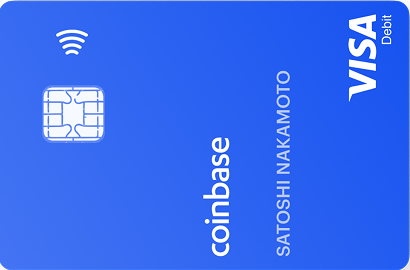
The Coinbase Card is a Visa prepaid debit card linked to a Coinbase account. It lets eligible users spend local currency, USDC or supported cryptocurrencies at merchants that accept Visa debit cards.
When you choose to spend crypto, Coinbase automatically converts enough of the selected asset into fiat for the purchase or ATM withdrawal. The merchant receives a normal card payment rather than cryptocurrency.
Coinbase offers virtual and physical cards in supported markets. The product exists in the US as well as selected UK and European markets, but issuer, mobile-wallet support and some card terms differ by region. For that reason, the exact card programme attached to your Coinbase account matters when comparing features.
You choose the asset that funds the Coinbase Card from the Card section of your Coinbase account. If you select a supported cryptocurrency, Coinbase automatically sells enough of that asset into fiat when you make a purchase or ATM withdrawal.
This means the merchant never needs to accept crypto. The card behaves like a normal Visa debit card while Coinbase handles the asset conversion in the background.
Spending USD or USDC generally avoids the tax complexity associated with selling a volatile crypto asset. Spending assets such as BTC or ETH involves a crypto sale, which can create a taxable gain or loss depending on your jurisdiction. Coinbase also includes a spread when buying or selling crypto, even though the card does not charge a separate transaction fee.
No. The Coinbase Card spends from assets held in your Coinbase account, so the card balance is custodial rather than controlled through a self-custodial wallet.
Coinbase holds the relevant account assets and performs any crypto-to-fiat conversion required for the card transaction. You do not control the private keys to the balance used by the card.
This is different from Coinbase Wallet, which is a separate self-custodial product. Coinbase's own card guidance says Coinbase Wallet balances cannot be used directly to fund Coinbase Card spending. If self-custody is your priority, that distinction is important because the Coinbase brand covers both custodial account services and a separate self-custodial wallet.
The Coinbase Card uses third-party regulated card issuers. In the US, Coinbase says the card is issued by Pathward, N.A., Member FDIC, under licence from Visa U.S.A., and is powered by Marqeta.
In the UK and Europe, the issuer can differ. Coinbase's UK fee disclosures identify Paysafe Financial Services Limited as the UK issuer and regulated electronic-money institution.
This distinction matters because Coinbase provides the account, crypto conversion and card interface, while the regulated issuer provides the payment card and cardholder framework. When checking legal protections or fees, use the terms for the card issued in your own region rather than assuming the US structure applies globally.
Coinbase Card can spend local currency, USDC and supported cryptocurrencies held in your Coinbase account. You choose the funding asset in the Card section and can change it later.
If you spend a cryptocurrency other than the local fiat balance, Coinbase automatically converts the selected asset into fiat for the transaction. A token being listed on Coinbase does not always guarantee it is eligible as a card funding asset, so check the asset selector in your account.
Coinbase Wallet, Vault, Prime and Commerce balances cannot be used directly to fund the consumer Coinbase Card. The balance must be available in the eligible Coinbase account connected to the card.
Coinbase currently charges no separate transaction fee for ordinary Coinbase Card spending and no annual card fee. Coinbase also states that ATM withdrawals do not carry a Coinbase ATM fee, although the ATM operator can charge its own surcharge.
The main cost to understand is crypto conversion. Coinbase includes a spread when buying or selling cryptocurrency, so spending BTC, ETH or another crypto can still have an economic cost even without a card transaction fee.
Regional cardholder agreements can contain additional details, so check the card terms attached to your account. Spending local fiat or USDC can be simpler from a fee perspective because it avoids selling a volatile crypto asset immediately before the purchase.
Coinbase Card offers rotating crypto rewards rather than one permanent cashback percentage. Eligible cardholders can choose from available crypto reward options in their Coinbase account, and the reward rate can change over time.
Coinbase says rewards earned do not expire, but the reward offers themselves do. When an offer expires, you can select another eligible asset or Coinbase can assign a new one if you do not make a selection.
The reward rate is therefore something you should check in the app before comparing Coinbase Card with a fixed-rate cashback card. Coinbase's current US product page describes rewards as unlimited on eligible purchases, but the exact percentage and available reward asset are variable.
Eligibility depends on region. In the US, Coinbase Card is currently available to Coinbase customers who live in the United States except Hawaii.
Coinbase also supports the card in the UK and a list of European countries including Spain, France, Germany, Italy, Portugal, the Netherlands, Ireland and many other EEA markets. Applicants need a valid Coinbase account, identity verification and acceptance of the applicable card terms.
There is no credit check or application fee for the debit card. Card availability is separate from general Coinbase account availability, so living in a country where Coinbase operates does not automatically mean the card is offered there.
Mobile-wallet support depends on the region. Coinbase's current EU and UK card FAQ states that Coinbase Card cannot be added to Apple Pay or Google Pay in those markets.
The US card programme can have different mobile-wallet capabilities, so users should check the Card section of the Coinbase app for their own card rather than assuming one global rule.
For EU and UK users, the physical card supports contactless tap-to-pay even though Apple Pay and Google Pay are not currently available. This is an important regional difference because many older reviews and US-focused guides can give a different impression.
Yes. The physical Coinbase Card can be used at compatible Visa-network ATMs. Coinbase currently says it does not charge its own ATM withdrawal fee, although the ATM operator may add a surcharge.
If your selected funding asset is cryptocurrency, Coinbase converts enough of that crypto into fiat to cover the withdrawal. That conversion can include Coinbase's normal spread and can also create a taxable crypto disposal depending on your jurisdiction.
ATM limits vary by customer and region. Coinbase directs users to the Card support section in the app to see the current spending and cash-withdrawal limits attached to their account.
Coinbase does not publish one universal spending limit for every Coinbase Card user. Its current Help Centre says spending and ATM limits vary between customers.
You can view your individual limits inside Coinbase by opening Card, selecting Support and then viewing spending and ATM limits. Available balance, account holds, issuer risk controls and merchant limits can also affect whether a transaction is approved.
This means a limit quoted in an old review may not apply to your account today. If you are planning a large purchase or cash withdrawal, check the live limit before moving or converting funds specifically for the transaction.
Spending crypto with Coinbase Card can create a taxable event because the crypto is sold into fiat to fund the purchase. In the US, Coinbase notes that the IRS generally treats cryptocurrency as property, so gains or losses from that sale may need to be reported.
Using USD normally does not involve a crypto disposal. Coinbase also says spending USDC at parity with USD generally should not create a meaningful gain or loss, although individual tax circumstances can differ.
Tax rules vary by country, so this FAQ should not be treated as tax advice. The important point is that a card purchase funded by BTC or another appreciating asset is economically similar to selling that crypto and then spending the proceeds.
Coinbase Card can generally be used wherever Visa debit cards are accepted, including merchants worldwide. However, Coinbase blocks certain merchant categories and restricts card use in specific countries.
Prohibited categories include gambling, money services, wire transfers, some securities businesses, crypto businesses and other high-risk or regulated merchant types. Coinbase also publishes a list of restricted countries where the card cannot be used.
This means Visa acceptance alone does not guarantee a transaction will work. Before relying on the card for travel or a specialised merchant, check Coinbase's current restricted-country and merchant-category lists.
If Coinbase Card is available in your region, sign in to the Coinbase mobile app and open the Card section. Follow the application prompts, verify your address and identity where required, and accept the applicable card terms.
There is no application fee or credit check for the debit card. Once approved, Coinbase provides a virtual card that can be used immediately for eligible online purchases. You can also order a physical card for in-person payments and ATM use.
Delivery times vary by region. Coinbase's UK and EU guidance currently estimates around two to three weeks for physical delivery, while US shipping can be faster.
For Coinbase Card help, use Coinbase's official Help Centre at https://help.coinbase.com and the contact options available while signed in. Coinbase offers dedicated card guidance covering applications, payments, refunds, limits, rewards, security and lost or stolen cards.
If your card is missing or you see an unauthorised charge, you can lock the card from the Coinbase app while you contact support. For a payment problem, keep the merchant, amount, date and transaction status available.
Never share your password, two-factor authentication code or wallet recovery phrase with someone claiming to be Coinbase support. Use only contact routes reached through Coinbase's official website or app.