


Brighty Card
#133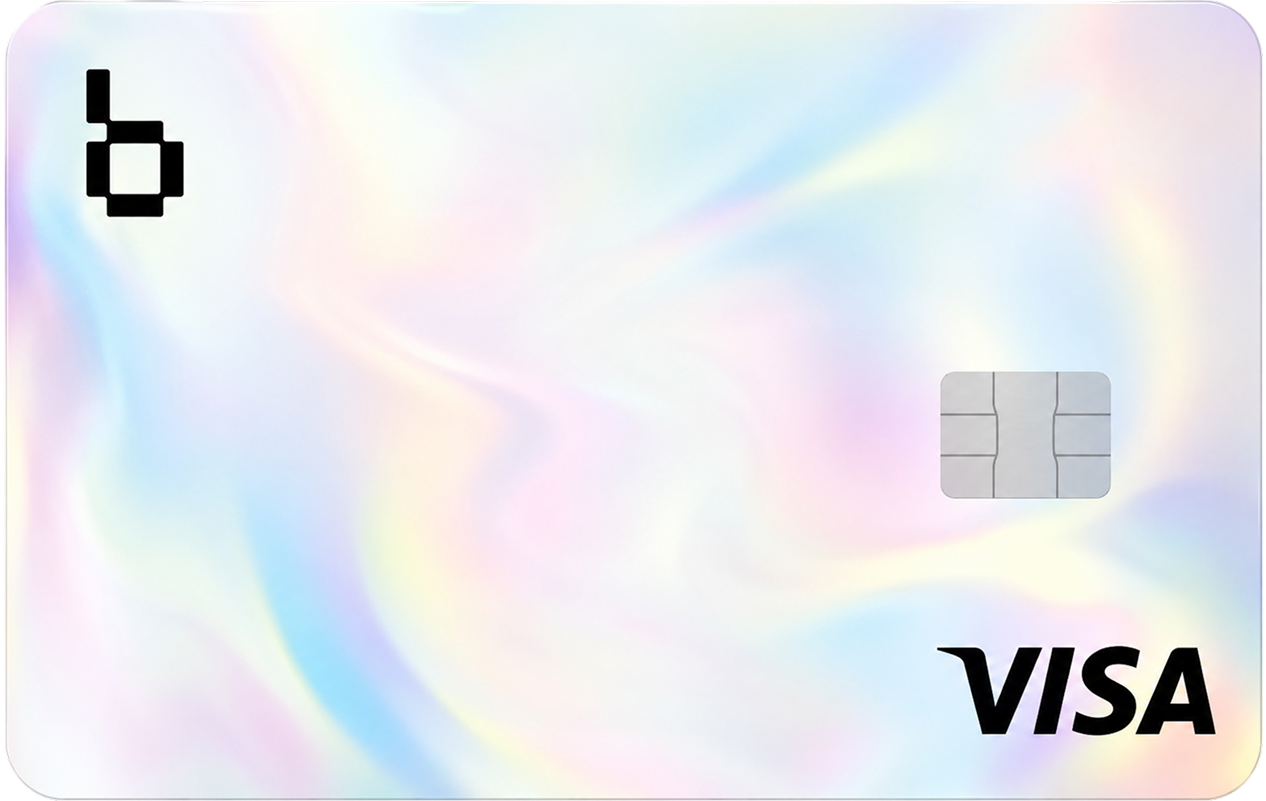
Brighty is a capable Euro-denominated crypto debit card with a free tier that earns 1% cashback, but a tight $20 monthly cap and a 2% FX fee limit its appeal to moderate spenders across 36 European countries.
Get Brighty CardAvailability
Rewards rate
Up to 1.75%
FX fee
2%
Savings
0.0
Availability
36 countries
Brighty CardMain perks
Bonus offers
Rewards
Pros
Cons
Options to Brighty Card



FAQs
Questions, answered
The Brighty Card is a payment card linked to Brighty's multi-currency money and crypto app. It lets eligible users spend supported fiat and crypto-linked balances through conventional Visa or Mastercard payment infrastructure, depending on the card programme available to their account.
Brighty combines card spending with personal account details, currency conversion, crypto transfers and stablecoin savings features. Virtual and physical card formats are available in supported markets.
The card is not a standalone self-custodial crypto wallet. Brighty uses licensed payment partners for the card and e-money layer, while crypto and stablecoin services sit within the wider Brighty app. For users, the main attraction is having fiat payments, crypto and card spending in one account rather than moving money between a separate exchange and bank.
Brighty's current consumer card terms describe its standard payment card as a debit card linked to an e-money wallet. Purchases are deducted from the available funds held in that wallet rather than creating a revolving credit balance.
That means you generally need enough available balance for the transaction to be approved. The card is not designed like a traditional credit card where you borrow first and repay later with interest.
Brighty's API also supports several card product types across its infrastructure, including debit, prepaid and credit configurations, so the exact product shown in your app should be checked. For the standard consumer programme covered by the current Wallester terms, the relevant structure is a debit card connected to an e-money balance.
Brighty uses licensed third-party partners for card issuance rather than acting as the card issuer itself. Its current consumer card terms include Wallester-issued Visa debit cards, while Brighty's platform documentation also supports other issuer and network configurations depending on region and product.
Brighty provides the app and account experience, while the issuing partner provides the regulated card and e-money infrastructure. This is why the exact card network or issuer visible to one user can differ from another Brighty card programme.
For legal protections, fees and cardholder responsibilities, the terms shown during your own application are more important than a generic Brighty marketing page. Check the issuer name and network displayed in the app before comparing the card with another provider.
Yes. Brighty is designed to let users manage crypto and fiat in the same app and use eligible balances for everyday card spending. The app supports stablecoins and other cryptocurrencies alongside traditional currencies.
How the payment is funded depends on the account and card configuration. In many cases, Brighty converts the relevant crypto balance before or at the point where the card transaction is settled, so the merchant still receives a normal card payment rather than cryptocurrency.
This is different from a merchant accepting crypto directly. Users should check the balance linked to their card and the conversion rate shown before spending, because conversion fees can depend on the subscription plan. Brighty currently cites in-app conversion pricing around 0.4% to 0.6% above any free allowance, depending on plan.
Brighty should not be treated as a fully self-custodial card. Its payment cards are linked to accounts and e-money infrastructure provided through licensed third-party partners, and users do not control the card balance through a private key in the same way as a self-custodial wallet.
Brighty does support on-chain crypto transfers and multi-chain crypto functionality, but that does not automatically make every balance inside the app self-custodial.
If custody is a deciding factor, distinguish between moving crypto on-chain and holding funds in the balance used for card spending. Brighty's main proposition is convenience across fiat and crypto inside one account, rather than keeping the entire payment flow under a user-controlled private key.
Brighty currently advertises no card maintenance fee. Spending in the same currency as the balance avoids a conversion fee, while Brighty's 2026 fee examples show a 2% foreign transaction fee when the card purchase is made in another currency.
Currency conversion inside the app is typically priced around 0.4% to 0.6% depending on the subscription plan and free allowance. This can make it cheaper to convert once inside Brighty before repeated foreign-currency purchases rather than paying the card FX charge each time.
ATM and transfer costs are separate from ordinary card spending and can depend on the issuer and plan. Because Brighty uses several payment partners and card configurations, the fee schedule displayed in your own account should be treated as the final source before a large transaction.
Brighty's cashback rate is not one fixed percentage for every user and merchant. Its current cashback terms say rates can vary by merchant, category, country and promotional period, with the applicable reward shown in the Brighty app or website.
Brighty's own 2026 card comparison materials describe card cashback of up to 3.5%, with a lower base rate and boosted categories on paid plans. Cashback can be credited in fiat or digital assets depending on the programme rules.
Because promotions and merchant offers change, MyCardCompare would not treat 3.5% as a guaranteed rate on all purchases. Before valuing the card for rewards, check the current category, cap and eligibility in the app. Refunds, reversals and transactions not confirmed as eligible may not earn cashback.
Yes, for eligible stablecoin-linked card balances. Brighty's current Payment Cards Reward terms say cards linked to supported stablecoin accounts such as USDC, EURT, EURC and EURA can earn daily rewards, which are credited in USDC to the user's Rewards Box.
The earning rate depends on the Brighty subscription plan and can change. This is separate from purchase cashback, so users should not combine the two percentages as though they were the same reward.
Brighty also offers broader stablecoin vault products with advertised rates up to 10% APY through integrated DeFi strategies. Those vault products have different terms and risks from simply holding an e-money card balance. Always check which account or vault your funds are actually in before assuming a particular rate applies.
Yes. Brighty officially supports both Apple Pay and Google Pay for eligible cards.
Users can add a compatible Brighty card to Apple Wallet on an iPhone or Apple Watch, or to Google Pay on a supported Android device, and then make contactless payments wherever the relevant mobile wallet is accepted.
Adding the card to a mobile wallet does not change the underlying Brighty balance, cashback rules or foreign-currency pricing. Availability can still depend on the exact issuer, card network, device and country. If enrolment fails, check the card details and current wallet eligibility shown in the Brighty app rather than assuming every Brighty-issued card configuration works identically.
Yes. Brighty supports virtual and physical payment cards in eligible markets, although the exact formats available depend on the card product and issuing partner serving your account.
The virtual card is useful for online spending and can be added to Apple Pay or Google Pay where supported. Physical cards add conventional chip, contactless and, depending on the issuer terms, ATM functionality.
Brighty's own API documentation also supports virtual, plastic and metal form factors across its wider card infrastructure. That does not mean every personal user can choose all three. The available card options, issuance fee and delivery cost are determined by the product shown in your app, so check the live Card section before ordering.
Brighty provides named account details for eligible users and markets, including euro IBAN functionality for SEPA transfers. Its 2026 materials also describe support for EUR, USD and GBP payment rails alongside crypto balances.
This makes the Brighty Card more useful as part of a broader money account rather than only as a crypto spending card. Users can receive eligible bank transfers, hold funds and then spend them through the card without first moving money to a separate exchange.
The exact account details and currencies available depend on region and partner infrastructure. Brighty is not itself a traditional bank, so users should review the legal terms for the account provider and understand that e-money balances can have different protection from bank deposits.
Yes. Brighty's card terms allow eligible cards to be used for online and in-store purchases wherever the relevant Visa or Mastercard programme is accepted, subject to merchant and regional restrictions.
International spending can be more expensive when the purchase currency differs from the balance you hold. Brighty's current 2026 pricing examples show a 2% foreign transaction fee in that situation, while spending in the account currency has no conversion fee.
For frequent travel, it can be cheaper to convert money inside Brighty before spending if the in-app conversion rate for your plan is below the foreign-transaction charge. Merchant or ATM dynamic currency conversion can also add a separate cost, so review the currency shown before confirming the transaction.
Physical Brighty card programmes can support ATM withdrawals where enabled by the issuer, but the exact fee and limit depend on the card product and region.
Brighty's current terms make clear that card operations are subject to issuer limits and that ATM operators can add their own fees and conversion charges. Brighty's own 2026 guidance also warns that cash withdrawals can become expensive when an ATM applies dynamic currency conversion.
If ATM access is important, check the current card dashboard for the withdrawal limit and fee attached to your specific Brighty card before relying on it for travel cash. Virtual cards do not provide ordinary chip-and-PIN ATM access unless the programme explicitly supports cardless withdrawals.
Brighty Card eligibility depends on the country, product and issuing partner. Current consumer card terms require users to be at least 18 and to complete the identity and compliance checks required before a card or e-money wallet can be opened.
To apply, create a Brighty account, complete verification and open the Card section. The app then shows the card products available for your residence, including any virtual or physical options, issuance fees and limits.
Brighty's wider app is available across many countries, but card availability can be narrower than access to crypto features. Do not assume that downloading Brighty guarantees a particular card format. The application screen and current partner terms are the best sources for your account.
For card, account, cashback or transfer problems, use Brighty's official support channels through the Brighty app and website. The legal and product pages at https://brighty.app contain the current card terms, cashback rules and payment information.
For a card transaction issue, keep the merchant name, amount, date and any decline message available. If the problem involves an on-chain transfer, keep the network and transaction hash ready.
Never share passwords, one-time authentication codes or wallet security credentials with someone who contacts you unexpectedly. Because Brighty uses third-party card and payment partners, some disputes may ultimately involve the issuer, but starting with Brighty's official support channel is the safest way to route the case correctly.